
What are concrete walls made of: composition and materials
Section 1 – Core materials and mix design
Globally, concrete is the most used man-made material, and in South Africa its quiet weight shapes both homes and towers. I’ve stood before walls that seem to murmur with weathered memory, a testament to the material’s stubborn endurance.
So, what are concrete walls made of? The answer begins with four core ingredients—cement, water, and the fine and coarse aggregates that bind into a single fortress.
- Cement (Portland cement is common)
- Water, the reactive solvent
- Fine aggregates (sand) for filling
- Coarse aggregates (gravel or crushed stone) for strength
Admixtures shape durability and workability; air content and the water-cement ratio tune performance.
In South Africa, those choices meet local standards for long-term results.
Section 2 – Masonry and panel components
Concrete walls are the quiet backbone of South African skylines, shrugging off heat and time with stubborn grace. In our urban landscapes, the masonry and panel approach dominates, shaping homes and towers alike. So, what are concrete walls made of? In this section, the masonry and panel world reveals how units, bonds, and finishes come together to form a durable envelope against weather.
Within those walls, the players are clear: masonry units, their bonding, and the finishing skin.
- Masonry units: bricks, concrete blocks, or prefabricated panels
- Bonding and joints: mortars, sealants, and proper bedding
- Finishes and interfaces: plaster, cladding, damp-proofing, and insulation layers
In practice, what are concrete walls made of in South Africa typically boils down to masonry units, bonds, and finishes—choices that wear well under our sun and rain when paired with the right coatings.
Section 3 – Reinforcement and durability
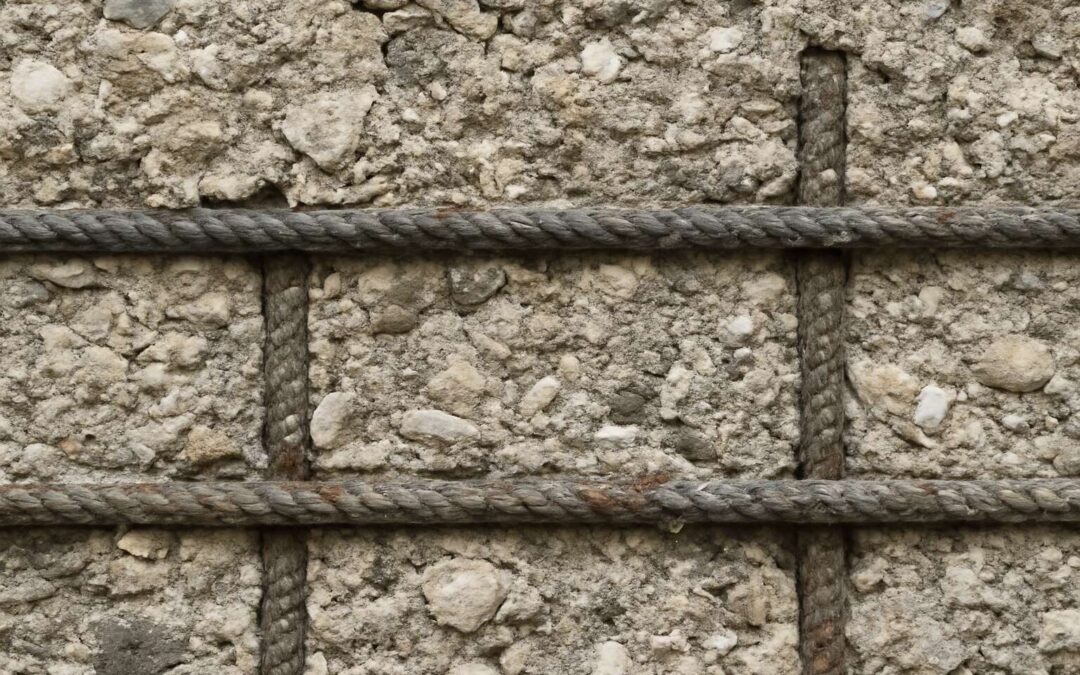
Reinforcement is the quiet worker in the wall’s anatomy. It locks in strength when the sun blazes and the rain bites. So, what are concrete walls made of? Not just cement and aggregates—the real backbone is how steel, fibers, and coatings behave over time to resist cracking and corrosion.
Its reinforcement choices are straightforward and robust:
- Epoxy-coated rebar for coastal corrosion resistance
- Welded wire fabric for stable mesh
- Fiber-reinforced polymers and steel fiber blends to tame cracks
Durability hinges on detailing: proper cover, clean joints, and consistent placement. In South Africa, deep embedment, good curing, and protective coatings keep walls standing through heat waves and storm cycles.
Section 4 – Admixtures, sustainability, and standards
Every square meter of concrete walls carries a weather-born memory. what are concrete walls made of? It’s not just cement and aggregates; it’s a living blend—cementitious binder, sand and gravel, water, and a chorus of admixtures that tune performance for seasons and stress. The mix balances strength with breathability and a quiet resilience that lasts through heat and rain.
Admixtures sharpen the edge of durability in South Africa’s climate:
- Plasticizers for flow and workability
- Fly ash or slag for enduring strength
- Silica fume for density and finish
- Air-entraining agents for freeze-thaw resilience
Sustainability threads through every pour. Supplementary cementitious materials and recycled aggregates, when appropriate, help reduce the footprint, while curing practices sustain long-term performance. Standards such as SANS 10100 and SANS 10400 guide safe, enduring construction across the country.
