
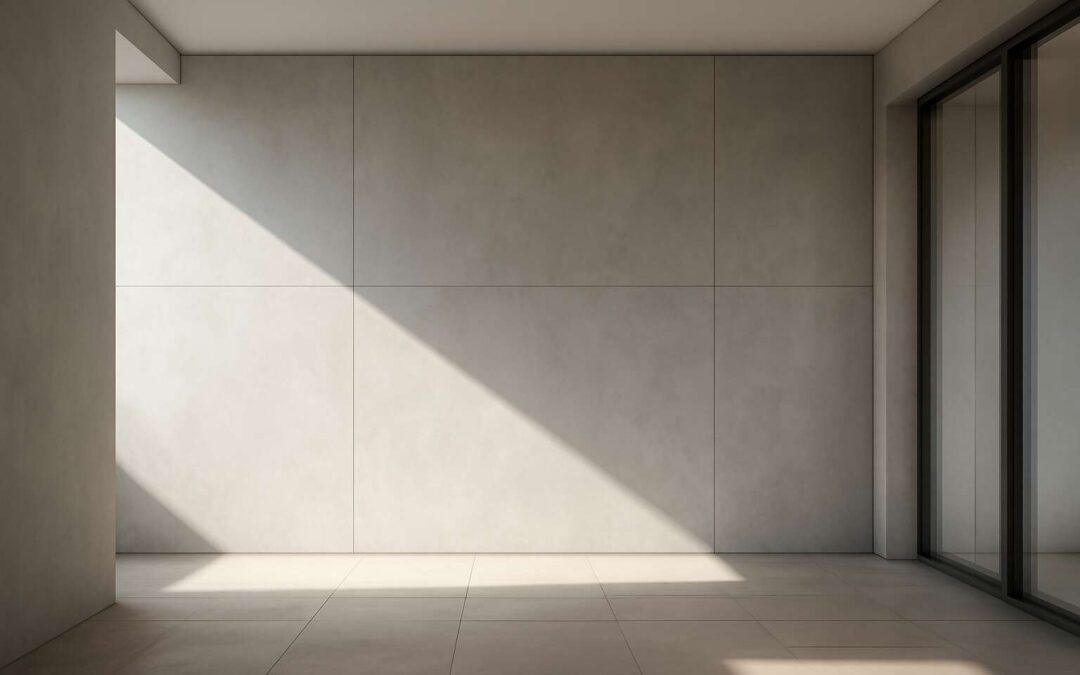
Understanding concrete wall panels
What are concrete wall panels
In South Africa, wall speed matters. On-site assembly using panel systems can trim construction time by up to a third. Understanding concrete walls panels reveals how these modules reshape both structure and space. That’s a win for tight deadlines!
Concrete walls panels are factory-made sections that form durable partitions, exterior skins, or both. They arrive with integrated insulation, moisture barriers, and hidden wiring channels, ready to fit with minimal field work.
Key benefits include:
- Faster installation and predictable schedules
- Enhanced thermal mass and sound control
- Consistent quality and fewer site defects
- Design flexibility and finish options
These panels suit mixed climate zones and local building codes, making them a practical, future-forward choice.
Core materials and construction methods
Across SA sites, panelized builds have shaved up to a third off on-site time, a payoff that keeps projects on schedule even under pressure. Understanding core materials and construction methods helps teams choose the right system for climate, codes, and budget. The focus is practical: what goes into the panels and how they come together on site.
Concrete walls panels rely on a cementitious matrix, aggregates, and engineered insulation. They pair with discreet moisture barriers and hidden wiring channels for a clean finish. Core materials often include steel or composite reinforcements to resist bending, plus airtight seals to improve thermal mass.
Construction methods favor factory fabrication with standardized joints and panel-to-panel connections that minimise site carpentry. In South Africa, local codes and mixed climate zones shape material choices and finish options, making these panels a future-forward fit for both residential and commercial projects.
Advantages and limitations for builders
In SA, panelized systems cut on-site delays by as much as a third, a hook that keeps projects on schedule under pressure. Concrete walls panels offer a controlled path from factory to façade, reducing site surprises. In South Africa, climate complexity and tight schedules demand predictability, and these systems deliver it with faster installation. The cementitious matrix and engineered insulation behind concrete walls panels create cleaner finishes and quicker handover on site.
Advantages for builders flow from factory precision, lighter on-site tasks, and a service integration that feels almost supernatural in its efficiency.
- Consistent tolerances
- Faster assembly
- Improved air tightness
Limitations do exist: heavy panels require cranes and careful logistics, and initial costs can be higher even as lifecycle savings accrue in SA projects.
Common applications and case uses
Across South Africa’s climate complexity and tight schedules, concrete walls panels reveal themselves as strategic partners in construction. They deliver predictability: faster assembly, consistent tolerances, and a cleaner path from factory to façade, reducing field surprises and enabling smoother handovers.
Common applications span the built environment, from dense residential complexes to public institutions. Typical case uses include:
- Multi-family housing and student accommodation
- Educational facilities such as schools and colleges
- Healthcare clinics and hospital extensions
- Commercial shells, retail and logistics warehouses
In South Africa, a recent municipal project in Gauteng and a school retrofit in the Western Cape demonstrate how concrete walls panels adapt to local conditions—offering rapid deployment, robust weather resistance, and a quality finish that supports faster project handovers. These case uses show the practical resilience of concrete walls panels in tackling urban demand.
Design and aesthetics for panel walls
Surface finishes and textures
Texture is the first thing people feel about a space. In South Africa, the finish on concrete walls panels can turn a room from stark to soulful in hours. Bold patterns, soft edges, and honest materiality set the tone at first glance, with color acting as a quiet partner!
- Polished for a refined, almost glassy sheen
- Honed for a soft, matte feel
- Brushed textures for tactile grain
- Exposed aggregate for pattern and sparkle
- Pigmented or stained tones to warm or cool the palette
Design with these panels is about how light plays on the surface. The same panels can read as sculptural or restrained, depending on the finish.
From homes to offices, the right finish aligns with light and scale, delivering durable beauty that ages with character.
Color options and treatment methods
Concrete walls panels carry light like a weathered map of a hidden city. In South Africa, the texture of a panel can shift a room from stern to soulful in hours. Design and aesthetics hinge on light kissing the surface, letting panels read as sculptural or restrained depending on scale and finish. The material’s honest patina tells the story of a space and ages with quiet character.
Color options and treatment methods give the story its mood. A few choices can transform tone without changing the form:
- Pigmented or stained tones to warm or cool the palette
- Stains (water-based or acid) for depth and variation
- Clear sealers, waxes, or breathable coatings to protect texture
- Polished, honed, or brushed finishes to modulate reflection
Choose lighting with intention, and the interplay of light across concrete walls panels reveals a durable beauty that ages gracefully, honoring its honest materiality.
Integrating with cladding and architectural details
“Light is the hand that reveals the soul of stone,” a veteran designer murmurs, and it rings true for concrete walls panels. In South Africa, the sun’s arc across a panel can redraw a room from stern to soulful in hours. Design and aesthetics hinge on how a surface catches and releases light, shaping a space as sculptural or restrained as the scale and finish allow. The material’s patina speaks softly, aging with quiet character.
Integral to the look is how the panel integrates with cladding and architectural details. The dialogue between surface and surround defines a room’s truth.
- Flush alignment with timber cladding for warmth
- Contrasting metals or glass to sharpen the silhouette
- Subtle reveals around corners to celebrate craftsmanship
With these choices, concrete walls panels remain honest and durable, their presence a calm gravity that grounds a space. In South Africa’s evolving skylines, they echo tradition while speaking in a modern tongue.
Performance considerations for design
Sunlight is the sculptor of space, and in South Africa it streams across concrete walls panels like a living chart of mood and volume. A panel that drinks light gains presence; the rest follows. In the right finish, light becomes form and warmth in one breath.
Performance matters more than vanity. To keep beauty practical, consider:
- Thermal mass and insulation implications
- Acoustic behavior and joint tolerances
- Maintenance of patina and surface resilience
- UV exposure, weathering and cleaning needs
When light, texture, and proportion align, concrete walls panels anchor a space with quiet gravity—modern, sure, and full of character for South Africa’s skylines.
Installation and on site considerations for panel systems
Site preparation and foundation needs
On a South African site, installation begins long before the first panel goes up. Site preparation means a clean, level platform, proper drainage, and protected access for cranes and lifts. With concrete walls panels, meticulous attention to tolerances and alignment is essential; a rough surface challenges precision, so temporary shims and edge guards help keep joints true and panels square throughout the lift.
- Foundation footprint carefully verified to support panels and lifting operations.
- Soil bearing capacity and subgrade compaction reviewed to minimise settlement.
- Crane access, hoisting routes, and temporary supports planned to protect joints during installation.
- Edges protected and moisture barriers in place to control curing conditions and prevent fastener corrosion.
Once set, the frame should be checked for plumb and alignment, with a careful eye on joints and sealants—an enchantment of integrity that keeps weather and time at bay, even with concrete walls panels across climates.
Panel handling and crane requirements
Installation begins long before the first panel rises. On a South African site, crane access, temporary supports, and weather windows are choreographed to protect joints and keep the project moving. For concrete walls panels, handling accuracy isn’t optional—it’s a matter of schedule and safety. “Time is money on site,” a veteran crane operator once told me, and the rhythm hinges on plumb, alignment, and clear load paths.
- Secure lifting points and certified slings to preserve joint quality
- Plan crane paths with appropriate clearances and stable ground protection
- Use temporary bracing to maintain plumb and prevent joint distortion
On the operational front, clear communication between crane crews, riggers, and site management keeps risks in check and schedules honest. With these considerations guiding every lift, the system performs as designed in South Africa’s diverse climates, delivering a clean, squared frame that survives the test of time.
Joining, sealing, and weatherproofing
Mobilizing concrete walls panels into place is a choreography, not a spectacle. On South African sites, weather windows decide up to 30% of installation days, and a single misstep can derail a week’s worth of joins and sealing. The install hinges on clean lines and consistent contact—joinery that resists moisture and movement while remaining easily serviceable for future maintenance. For concrete walls panels, joining, sealing, and weatherproofing demand deliberate craft, not shortcuts!
- Secure joining with the correct connectors and verify plumb before sealing
- Use backer rods and compatible sealants (polyurethane or hybrid) to ensure joint resilience
- Weatherproofing: shield panels during cure and cover exposed joints to prevent moisture ingress
With careful coordination between crews, the system maintains its integrity across SA climates, delivering a framed assembly that breathes with the structure rather than warping it.
Thermal insulation and moisture control
On-site installation of concrete walls panels is where ambition meets reality. The process demands timing, geometry, and restraint. In South Africa’s climate, thermal insulation and moisture control are not optional—they shape comfort and durability. When panels align with clean joints and consistent contact, the envelope breathes with the building rather than fighting the weather.
- Orientation and plumb checks against structural lines
- Temporary weather protection to shield curing joints
- Space planning for crane access and circulation
Thermal performance hinges on keeping moisture paths and thermal bridges at bay. The system demands climate-aware curing and consistent detailing through openings, so interiors stay steady across SA seasons.
Safety, compliance, and best practices
On a South African site, the moment the crane carves the first arc and the formwork settles, the wall reveals its fate. Precision in installation of concrete walls panels is not optional; it is the heartbeat of durability. Safety, compliance, and best practices govern every lift, every joint, and every connection, ensuring the envelope breathes with the building rather than wrestling the weather.
- Safety culture and PPE adherence that keep crews alert and protected
- Regulatory compliance with SA standards and site permissions
- Quality control through documented inspections and clean detailing
When the panels meet the ground truth of the job, the project’s climate narrative stays balanced, quietly resisting the chaos of weather and time across SA seasons.
Durability, maintenance, and restoration of concrete panel walls
Weather resistance and longevity
Durability starts with design, not decoration. In South Africa’s climate, a single solid choice matters more than many fixes, and as an engineer puts it, ‘durability isn’t a feature—it’s a baseline.’ It is the idea behind concrete walls panels that matter most.
Weather resistance and longevity are built into the material’s core. The dense composition shrugs off heat, sun fade, and rain, while thoughtful detailing guards against wind-driven moisture. For many SA projects, concrete walls panels deliver weather resistance and longevity even in coastal environments, while reducing repaint cycles.
- Quality aggregates and curing
- Joint detailing and moisture control
Maintenance and restoration are about timely intervention rather than overhaul. Routine cleaning, occasional re-sealing, and professional crack assessment help preserve appearance and performance. When restoration is needed, specialists address damage without compromising the panel system or cladding integration.
Crack prevention and repair methods
Durability isn’t a feature—it’s a baseline, and that’s the creed engineers whisper when they talk about concrete walls panels. In South Africa’s climate, these panels prove that baseline every year, shrugging off heat, sun, and rain with a cohesive, design-forward resilience that ages gracefully rather than frays at the corners.
Maintenance and restoration hinge on timely intervention. Routine cleaning, occasional re-sealing, and crack assessment keep the surface honest and the joints quiet.
- Monitoring for hairline cracks and movement
- Sealant compatibility and moisture considerations
- Repair approaches that preserve panel integrity
When restoration is needed, specialists address damage without disrupting the panel system’s rhythm, preserving the building’s character. Preserving the integrity of concrete walls panels means keeping appearance and performance aligned with the original architectural intent.
Cleaning, sealing, and protective coatings
“Durability is the baseline,” engineers whisper, and in South Africa’s climate that baseline is tested yearly. concrete walls panels shrug off heat, sun, and rain, aging gracefully rather than fraying at the corners. They don’t shout; they endure with quiet architectural confidence.
Maintenance hinges on timely intervention. Routine cleaning, occasional re-sealing, and crack assessment keep the surface honest and the joints quiet. Sealant compatibility and moisture considerations guide every decision, allowing coatings to breathe without trapping movement.
When restoration is needed, specialists address damage without disrupting the panel system’s rhythm. Preserving integrity means keeping appearance and performance aligned with the original architectural intent, so the building retains its character as the years accumulate.
Repair after impact and refurbishment
South Africa’s sun and storms tilt the playing field, but concrete walls panels stand their ground! Durability is the baseline, and these panels perform with quiet resilience, aging gracefully under heat, wind, and rain while keeping their architectural tone intact.
Maintenance hinges on timely intervention. From my experience, routine cleaning, occasional re-sealing, and crack assessment keep surfaces honest. Sealant compatibility and moisture considerations guide every decision, allowing coatings to breathe with movement rather than trap it.
- Inspect joints for signs of movement and cracking
- Clean with suitable, non-abrasive detergents and rinse thoroughly
- Re-seal at first hint of moisture intrusion or loss of adhesion
When restoration is required, specialists address damage without interrupting the panel system’s rhythm. Repair after impact and refurbishment is about preserving integrity: the building’s appearance and performance remain aligned with the original intent, so character endures as the years accumulate.
Cost, sustainability, and project planning for concrete wall panels
Material costs, installation labor, and total cost of ownership
Costs reveal a truth, and we know the real value of speed lies in resilience. With concrete walls panels, upfront material costs and installation labor set the baseline, while the total cost of ownership charts the voyage through maintenance, energy, and refurbishments. In South Africa’s busy market, faster on-site assembly often trims crane time and weather risk, delivering a more predictable cash flow and fewer surprises!
- Material costs
- Installation labor
- Lifecycle costs
Sustainability whispers through the panels as they endure, reducing waste and masking a heavy footprint with long service life. Their durability lowers maintenance tempo and supports efficient climate control, a quiet ally for projects chasing green credentials on time and budget.
Project planning for these systems is a dance of procurement, logistics, and coordination. Early engagement with suppliers, clear crane and access strategies, and alignment with site readiness keep timelines honest and costs transparent.
Energy efficiency benefits and insulation value
Energy costs in South Africa’s buildings can account for up to 30% of annual spend, making wall systems a financial lever. Concrete walls panels deliver rapid insulation and thermal mass that dampens temperature swings. Faster on-site assembly also means fewer weather delays and a steadier cash flow.
Sustainability and energy efficiency are built in. The long service life reduces waste, while thermal mass lowers cooling loads and stabilizes interiors.
- concrete walls panels help minimize heat transfer, improving insulation value.
- They store heat and moderate temperature swings, reducing HVAC demand.
- Longevity cuts refurbishment cycles and waste, supporting green credentials.
Project planning relies on early procurement, clear crane and access strategies, and site readiness. In South Africa’s busy market, smooth logistics keep timelines honest and costs transparent, letting energy-efficient panels contribute to a predictable build rhythm rather than surprises.
Sustainability credentials and recycling options
In South Africa, energy bills can account for up to 30% of a building’s annual spend, a stat that reframes every structural decision. These concrete walls panels deliver rapid insulation and solid thermal mass, turning wall fabric into a financial lever rather than a cost center. Faster on-site assembly means fewer weather delays and steadier cash flow.
Sustainability credentials and recycling options for concrete walls panels extend beyond the initial build. The long service life reduces waste, while the panels’ thermal mass helps regulate interiors and lowers cooling loads. At end-of-life, crushed panels can re-enter the supply chain as secondary aggregates, supporting a circular economy.
- Lifecycle cost discipline
- End-of-life recycling options
Project planning hinges on early procurement, clear crane and access strategies, and site readiness. In South Africa’s busy market, smooth logistics keep timelines honest and costs transparent, letting energy-efficient panels contribute to a predictable build rhythm rather than surprises.
Warranties, lead times, and supplier selection
Energy costs in South Africa can swallow as much as 30% of a building’s annual spend, which makes every brick a budget vote. These concrete walls panels act as a financial lever—rapid insulation, solid thermal mass, and a smoother cash flow thanks to faster on-site assembly.
From a sustainability angle, the long service life slashes waste, and their thermal mass helps regulate interiors, downshifting cooling loads. At end-of-life, crushed panels can re-enter the supply chain as secondary aggregates, nudging us toward a circular economy.
Project planning hinges on early procurement, clear crane and access strategies, and site readiness to avoid weather delays and hidden costs. For concrete walls panels, warranties, lead times, and supplier selection become part of the design brief, not afterthoughts.
That combination—clear procurement, purposeful partnerships, and reliable performance guarantees—keeps the project rhythm intact in South Africa’s bustling market.
