
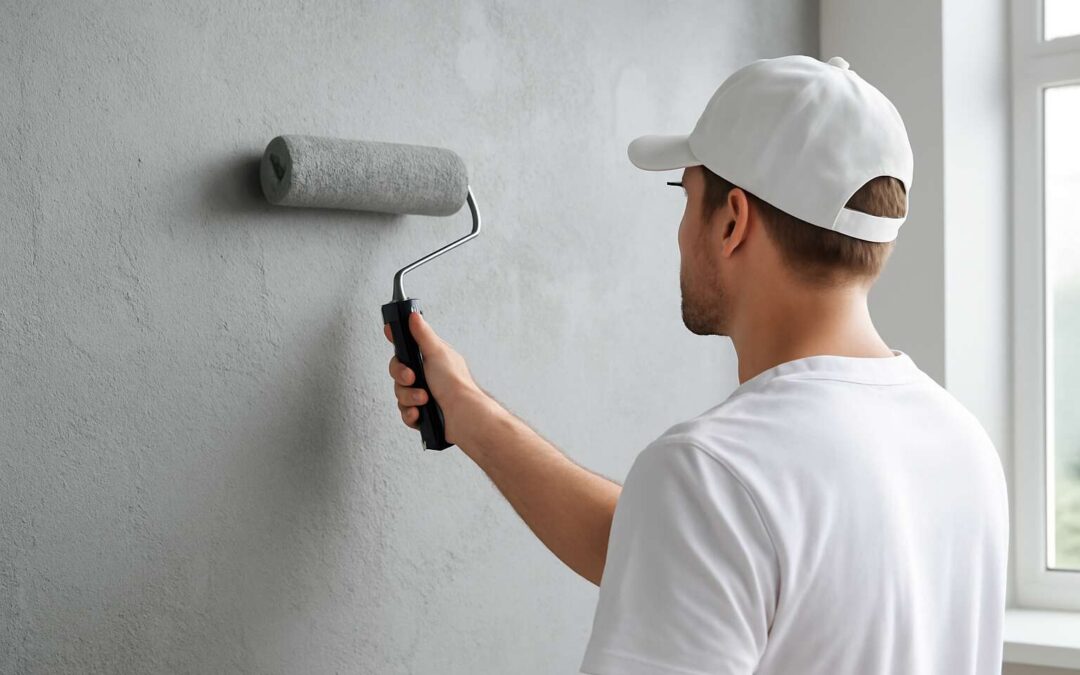
Prepping concrete walls for painting
Assessing the surface condition
Across South Africa, the weather’s whisper—sun, rain, and shade—tests concrete walls daily. A striking stat: up to 80% of early paint failures on concrete trace back to poor prep, proving that can concrete walls be painted hinges on the wall’s first conversation with the brush!
Assessing surface condition is about listening to what the wall reveals. Signs like moisture, efflorescence, and cracking tell a story before any color is chosen.
- Moisture and damp patches
- Efflorescence or salt deposits
- Cracking, spalling, or flaky edges
- Chalky, degraded coatings
From there, I’ve learned that planning a finish means considering exposure, climate, and paint compatibility without diving into steps. Observant clients understand that preparation is part of the finish’s longevity, not an afterthought.
Cleaning and degreasing the wall
Cleanliness is the quiet hinge on which a lasting paint job swings. In South Africa’s sun and shade, up to 70% of early paint failures are linked to inadequate cleaning before coating. So, can concrete walls be painted with any lasting brilliance if the surface speaks clearly—free of grime, oil, and dust? The wall’s preface reveals whether color will endure.
Cleaning and degreasing the wall is a ritual of revelation, where surface whispers replace dull silence. What to consider unfolds in simple truths:
- A mild detergent wash to lift dust and chalk
- Degreasing for oily patches
- Rinsing with clean water and complete drying
Moisture lurks in corners, and moisture must be banished. In the SA climate, sun and humidity chase the clock, so drying becomes a quiet guardian of adhesion.
Repairing cracks and damaged areas
Prepping concrete walls for painting is where sizzle meets sanity. A single blemish can derail a finish faster than SA sun erases a shade. So, can concrete walls be painted with lasting brilliance? Not without a tidy reset of roughness and a stubborn eye for detail.
Repairing cracks and damaged areas is less about vanity and more about moisture control and adhesion. Consider these repair pathways:
- Epoxy injections for structural cracks
- Polyurethane sealants for movement joints
- Cement-based patches for spalled patches
Patched surfaces deserve respectful priming and a gentle touch from the next layer—otherwise the best colour will crack, peel, or pretend to be vintage plaster.
Etching and profiling for better adhesion
Coatings fail on unprofiled concrete far more often than on surfaces that earn a proper key. If you’re asking can concrete walls be painted to stay vibrant for years, the answer hinges on surface physics—etching and profiling give paint something to bite into. In South Africa’s climate, that grip matters even more!
Etching and profiling texture the surface without becoming a roughened mess. It’s not vanity; it’s moisture control and adhesion. When done right, you’ll notice a more uniform colour and fewer surprises after the first few hot days.
Here are common pathways:
- Mechanical profiling
- Chemical etching
Priming requirements for concrete surfaces
Across South Africa’s sun-drenched landscapes, paint failures—up to 40%—trace back to poor priming. For those asking can concrete walls be painted, the answer hinges on priming requirements and the stubborn physics of the surface. Primer is less a cosmetic layer than a handshake: it grants adhesion, blocks moisture, and positions pigment for long life. When the walls drink evenly from one coat of intention, colour stays truer through seasons.
Primers come in different moods—some seal the surface, others bite into porosity, some deter damp. Here are guiding ideas:
- Primer compatibility with your chosen topcoat
- Porosity and surface sealing balance
- Moisture management and vapor transmission
In South Africa’s varied climate, priming requirements for concrete surfaces become a whisper of science and art. A well-chosen primer lays a uniform field, letting the final colour reveal itself with grace rather than grit.
Choosing paint for concrete walls: types, finishes, and standards
Paint types suitable for concrete
Many wonder, can concrete walls be painted, and the answer echoes with possibility! In South Africa’s sun and sea-salted air, the right coating must bow to moisture, heat, and time. Finishes drift from velvet matte to glassy satin, each casting a different mood while guarding against cracks and ghosts of efflorescence.
- Acrylic latex paints for interior walls with steady humidity
- Epoxy coatings for garages and service areas
- Hybrid acrylic-urethane for bold exterior statements
Standards and practicalities weave through the choice: ensure products meet local VOC limits and suit the wall’s exposure—coastal, inland, or damp rooms—before pigment meets surface. The right option anchors durability, aesthetics, and compliance in equal measure.
Finishes and sheen options
In the South African glare, can concrete walls be painted without losing their memory of sun and salt? Yes—durability and design can waltz together! A bold finish or a gentle glaze transforms utilitarian blocks into living spaces, turning battered exteriors into canvases that endure.
Finish choices, types of finish, drape the surface in mood: matte velvet for calm, satin for polish, or a subtle gloss to lift light.
- Matte velvet
- Satin glaze
- Eggshell or low-sheen
The right sheen whispers rather than shouts, while guarding against cracks and moisture ingress.
Standards weave through the decision: I seek products that meet local VOC limits and suit exposure—coastal, inland, or damp rooms. The best option harmonizes durability, aesthetics, and compliance in one confident stroke.
VOC, durability, and outdoor vs indoor considerations
They say the sun writes its memory on stone; can concrete walls be painted and still remember the salt and glare? In South Africa, a well-chosen coating turns utilitarian blocks into enduring canvases, where durability waltzes with design and the home atmosphere gains its own weathered grace.
Choosing paint for concrete walls hinges on types, finishes, and standards. Look for low-VOC formulations built for concrete, with outdoor and indoor variants aligned to coastal, inland, or damp spaces. The best options balance longevity, breathability, and aesthetic restraint.
- Acrylic latex and elastomeric blends for flexibility
- Elastomeric coatings for moisture resistance
- Low-odor masonry enamels for indoor spaces
Finish with intention—the right sheen protects against cracking and moisture while lifting light and mood. In the South African glare, a measured finish is a lasting signature rather than a fleeting color.
Compatibility with existing coatings
The SA sun is a stern artist, memory etched into every concrete face. In this climate, colour choices must honour the wall’s story rather than erase it.
If you ask, can concrete walls be painted, the answer lies in coatings that respect porosity, breathability, and local conditions. Look for low-VOC formulations made for concrete, with outdoor and indoor variants suited to coastal, inland, or damp spaces. Acrylic latex, elastomeric blends, and low-odour masonry enamels offer balance between flexibility, durability, and a restrained sheen.
Compatibility with existing coatings matters in South Africa’s salty, sunny environments. Consider these checkpoints:
- Adhesion to current coats
- Moisture and breathability
- Finish, sheen, and UV stability
Surface preparation steps: cleaning, repairs, and priming
Thorough cleaning methods (pressure washing and scrubbing)
The wall keeps its weathered diary in every pore, and in South Africa’s sun, sound prep is the difference between endurance and surrender. “Paint is a memory of the wall,” a foreman likes to remind us, and that memory begins with a surface that breathes. “can concrete walls be painted” guides our process as we measure light and material alike.
Thorough cleaning sets the tone. Pressure washing lifts dirt and moss, followed by careful scrubbing to loosen stubborn grime. A final rinse reveals a canvas, dry to the touch and free of debris.
- Pre-wet the area to avoid splashback
- Loosen and remove loose paint and grime
- Target stubborn stains with non-aggressive scrubbing
- Ensure a complete dry-down before priming
After cleaning, we inspect for cracks and damage and address them with restrained repairs; then we select a penetrating primer that seals and primes concrete for paint, preserving adhesion and moisture control.
Repairs and crack filling techniques
The South African sun can bake paint onto a wall, or test its resolve. The answer to can concrete walls be painted unfurls in one quiet ritual—surface prep that makes the wall’s memory legible and the finish true.
Cleaning, repairs, and priming form the triad that underpins lasting color.
- Cleaning: removing dirt, oils, and loose coating to reveal a true base
- Repairs: filling cracks and chips with compatible filler and smoothing edges
- Priming: applying a penetrating primer that seals and yields even paint grip
Once the surface breathes evenly, pigment finds a home. The wall’s stubborn pact with moisture loosens, and the primer becomes a bridge that invites adhesion. The night might listen in, but the crew continues with quiet certainty.
When and how to prime concrete for painting
Can concrete walls be painted? The answer arrives with patience: surface prep. In South Africa’s sun, the wall remembers—pigment speaks only after the surface breathes. A finish true to memory starts with the care that reveals a true base for colour to settle.
Cleaning, repairs, and priming form the triad that yields lasting color. The steps are gentle, almost ceremonial—each allowing the wall to tell its story without cover-up.
- Cleaning to reveal a true base
- Repairs to smooth edges
- Priming to seal and invite adhesion
When this quiet ritual is complete, the pigment finds its home and the wall’s moisture pact loosens. Primed and patient, the surface accepts color with grace, and a plain wall becomes a memory you want to keep.
Surface moisture tests and vulnerability checks
The wall remembers—pigment speaks only after the surface breathes. Can concrete walls be painted? Yes, with patient surface preparation that honours its memory. In this quiet ritual, cleaning, repairs, and priming become the trio that lets color settle in with grace.
Cleaning reveals a true base: dust, oils, and traces of weather vanish when the wall is treated with care; a soft scrub and a rinse leave a porous, accepting surface.
Repairs to smooth edges: small cracks and chips are attended as if guiding a steadier conversation; filled, feathered, and allowed to cure so the next coat rests evenly.
Priming to seal and invite adhesion: a proper primer locks the wall’s moisture in check and invites the pigment; then surface moisture tests and vulnerability checks guard against hidden damp.
Application techniques and tools for painting concrete walls
Rolling, brushing, and spraying methods
can concrete walls be painted? Certainly, when technique and tool choice align with the wall’s character. Rolling yields an even field; brushing adds subtle texture; spraying covers large expanses with speed. In South Africa, climate and light demand patient rhythm to avoid drips and shade shifts that betray haste.
To translate this into workable practice, gather a handful of trusted tools.
- Frame roller with extension pole
- Microfiber roller covers
- Angled brushes for corners and detailing
- HVLP or airless spray gun
- Stir sticks, pails, and a sturdy paint tray
Balanced use supports even color without seams and keeps your project feeling cohesive from edge to edge.
Selecting rollers, brushes, and spray equipment
In a sun-drenched land where heat writes its own weather on walls, the question remains: can concrete walls be painted with lasting color? The answer hinges on tools that honor the wall’s character and a climate‑aware rhythm. South Africa’s shimmering days demand a measured approach that keeps drips and shade shifts at bay.
Gently assemble the gear that translates intention into an even, enduring finish.
- Frame roller with extension pole
- Microfiber roller covers
- Angled brushes for corners and detailing
- HVLP or airless spray gun
- Stir sticks, pails, and a sturdy paint tray
With a calm tempo and proper setup, color can glide across the surface without seams, turning plain walls into quiet, durable canvases. The right equipment in your hands, and respect for the wall’s breath, conjures a professional, lasting finish.
Temperature, humidity, and drying times during application
The sun in South Africa writes its own weather on bare concrete, and the question lingers: can concrete walls be painted with lasting color? The answer travels on the breeze: it depends on the wall’s breath—temperature, humidity, and the room’s quiet airflow.
In application, I lean into a calm rhythm, letting the pigment settle like dusk on a plain. The right tools and restraint translate intention into a surface that holds color without fatigue, even in blazing daylight.
- Temperature and humidity influence cure and film formation
- Ventilation and airflow govern solvent evaporation
- Drying times interlock with porosity and texture
When the atmosphere and the wall align, the result is a steady, durable note on concrete.
Coating sequences and edge work
The sun in South Africa writes its weather on bare concrete, turning shade into memory and color into rumor. can concrete walls be painted, and the breeze answers: yes, if the wall breathes with temperature, humidity, and a patient rhythm.
Coating sequences unfold as a dialogue, not a sprint: a careful base, a depth-building middle, and a protective top layer that gleams in sun and shade.
Edge work becomes the hinge on which character meets endurance; precise cuts, clean transitions, and measured pressure keep pigment from fatigue.
Tools and techniques align with the mood of the work:
- Angled sash brushes
- Microfiber rollers
- Low-pressure spray systems
Maintenance, troubleshooting, and long-term care after painting
Dealing with peeling, blistering, and efflorescence
Painted concrete walls in South Africa endure more than sun and rain—they dance with the climate’s moods. The question many clients ask is can concrete walls be painted and stay sharp for years? The answer isn’t magic; maintenance and long-term care keep the finish singing.
When peeling, blistering, or efflorescence appear, they’re not cosmetic clues—they point to moisture, substrate age, and ventilation gaps. I’ve learned these signs demand reassessment, not blame, because the wall can often be restored without a full overcoat if caught early.
Signs to watch for:
- Peeling or blistering indicates moisture pressure behind the coating.
- White, powdery efflorescence signals salts migrating to the surface.
- Fading patches point to UV exposure and substrate movement.
Long-term care isn’t glamorous, but practical: manage moisture, ensure ventilation, and schedule periodic checks with a professional. This quiet vigilance helps prevent future peeling, blistering, and efflorescence, keeping the finish resilient for years.
Regular cleaning and maintenance routines
Maintenance after painting isn’t glamorous, but it’s the quiet guardian of longevity. When people ask, can concrete walls be painted and still look sharp after years in South Africa’s sun, the answer rests on ongoing care—watchful observation, timely patching, and respect for the wall’s natural pace.
- Maintaining moisture balance and ventilation
- Regular professional inspections
- Planning repairs that honour the substrate
Troubleshooting becomes a narrative you read in the wall: new damp spots, chalky deposits, or fading colour patches signaling moisture, salts, or movement. Each sign invites reassessment, not blame, and with attentive care the finish can endure without drastic interventions.
That steady, long-term care approach is what keeps the surface looking resilient through South Africa’s climate, turning a painted wall into a durable, enduring feature.
Re-coating intervals and moisture management
Paint survives when watched; ‘colour is a pact with the sun,’ a street-side sage might say. In South Africa, can concrete walls be painted and still look sharp after years under fierce light? The answer rests on quiet stewardship: a rhythm of re-coating intervals and moisture management that respects the wall’s pace. Without such care, even the finest pigment buckles in the heat and humidity, fading to glare and flaking where the sun bites hardest. I have watched this truth play out on countless South African façades.
Troubleshooting becomes a narrative you read in the wall: new damp spots, chalky deposits, or fading patches signalling moisture, salts, or movement. Each sign invites reassessment, not blame, and with an attentive, long-term care mindset the finish can endure. This patient cadence, practiced through seasons of heat and rain in SA, turns a painted surface into a durable, enduring feature.
