
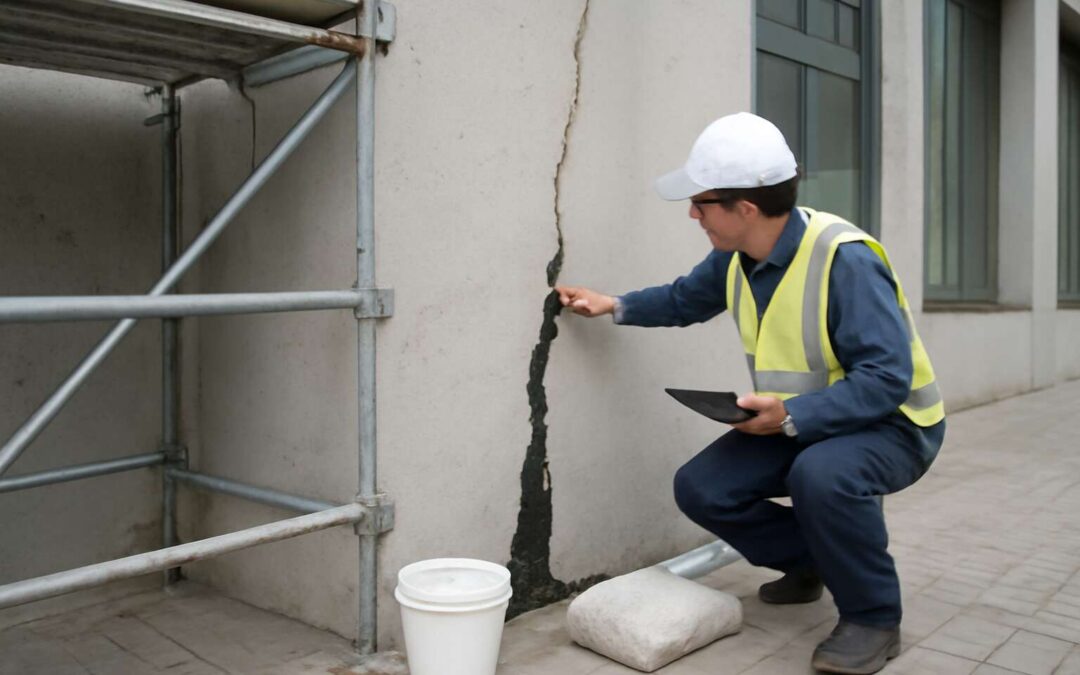
Understanding and Diagnosing Precast Wall Issues
Overview of precast wall systems
South Africa’s concrete reality never sleeps: hairline cracks today can become headline failures tomorrow. In industry chatter, roughly 40% of precast panels show moisture or cracking signs within a decade, a statistic that keeps site supervisors honest and budgets honest too.
Understanding how precast wall systems are engineered helps readers read the signs. Panels are factory-made, then connected on site with joints and sealants that defy the weather yet invite moisture when neglected. The diagnostic lens should scan for both surface blemishes and hidden movement that hints at shared structural load paths shifting, as a long-game conversation about precast walls repairs.
- Hairline cracks along joints or edges
- Rust stains or spalling near embedded reinforcement
- Efflorescence or moisture staining on faces
Spotting these patterns early is less about theatrics and more about pattern recognition—an archival memory of how the wall behaves under load and weather in South Africa’s climate. That context informs more durable, system-wide thinking.
Common cracking patterns and failure modes
Time wears on concrete, and in South Africa’s climate a decade of exposure writes its report: moisture and microcracking begin to surface in many panels. “Cracks are weather reports, not accidents,” a veteran foreman once said, reminding us that every fissure maps how the wall will live with heat and rain.
To read these signs, focus on movement as well as appearance. Subtle shifts in panel alignment, widening sealant gaps after seasonal heat and rain, and moisture indicators that travel along joints all hint at how the system carries load.
- Unexpected panel rotation or misalignment between modules
- Gaps widening at sealant lines after seasonal cycles
- Discoloration or powdery residue indicating moisture migration through capillary pores
Understanding these patterns fuels durable, system-wide thinking. In that context, precast walls repairs become more than fixes — they become system-wide strategies that respect factory precision and local realities.
How to conduct a visual inspection
Cracks are weather diaries written in concrete, and in South Africa’s climate a decade writes more than one story. I read movement as much as surface—shadow lines, edge reflections, and subtly misaligned panels all hint at how loads travel through the system. From this, precast walls repairs can be framed as intelligent, system-wide actions!
Here are quick visual cues to note during a walkaround:
- Surface staining or powdery residue signaling moisture migration
- Seams and joints showing altered gaps after heat cycles
- Edge panels that sound hollow when tapped or pressed
- Discrepant reflections or shadow lines that creep across the face
These cues become your field notes, turning a visual scan into a disciplined plan.
Non-destructive testing and assessment techniques
In SA’s climate, 60% of wall issues reveal themselves as moisture signals long before a crack becomes dramatic—a truth that makes every inspection feel like archaeology for sprayed-on concrete. Diagnostics should feel curious, not alarmist.
Non-destructive testing and assessment techniques let engineers peer into the heart of panels without smashing their curb appeal. Infrared thermography, rebound hammer tests, ultrasonic pulse velocity, and ground-penetrating radar reveal voids, delamination, and moisture paths that threaten long-term performance. These signals guide precast walls repairs with surgical precision.
- Infrared thermography to map temperature gradients and moisture migration
- Rebound hammer testing for surface hardness indicators
- Ultrasonic pulse velocity for internal consistency
- Ground-penetrating radar to image cores and joints
These tools turn a casual visual scan into a disciplined plan that respects timelines and budgets, delivering insight with wit and discipline in any South African project.
Documenting findings for repair planning
Moisture whispers louder than visible cracks in South Africa’s climate, and a precise record turns those whispers into a plan for precast walls repairs. The diagnostic footprint should be concise yet revelatory: panel identity, observed anomalies, and the moisture pathways that snake through the concrete. With careful documentation, every finding becomes a meaningful data point, guiding not fear but rational decision-making!
Documenting findings with consistency yields a shared language for repair planning. A compact evidence packet—photos, notes, and select measurements—translates field observations into clear priorities for precast walls repairs and helps keep budgets and timelines in check!
- Panel ID and location
- Observed anomalies and their extent
- Moisture indicators and suspected paths
- Notes that translate into repair priorities
Such archival discipline turns a curious inspection into a credible roadmap; when findings are well recorded, precast walls repairs become not a gamble but a sequence of controlled steps.
Repair Techniques for Precast Concrete Walls
Surface remediation and crack sealing
Across South Africa, moisture woes in precast facades often start at hairline surface imperfections rather than heroic structural failures. A veteran engineer once quipped, “Cracks are rumors that deserve a patch.” Surface remediation reigns here, leveling the playing field so repairs can actually stick.
Concentrating on the surface, we champion removing contaminants, restoring clean substrate, and selecting compatible patching materials. When cracks appear, sealing with the right resin keeps moisture out and movement in check. This approach is central to precast walls repairs.
- Surface conditioning and compatibility checks
- Sealant choice balancing rigidity and elasticity
- Bonded patches where needed to regain cohesion
- Top coats or sealants to deter future moisture
Done with a measured, science-forward mindset, these techniques protect long-term performance without dozy drama.
Epoxy and cementitious injection methods
Epoxy injection and cementitious injection stand as twin pillars in the realm of precast walls repairs. Epoxy systems push resin through ports to bridge cracks, restoring load transfer and creating a moisture shield. The result is a rigid, enduring seam that can align with original tolerances.
Alternatively, cementitious injection uses a cement-based grout to fill voids and re-establish contact without creating brittle joints. It pairs well with non-structural gaps and offers breathability in damp South African environments.
Considerations include:
- Epoxy injection offers high bond strength and fast cure at moderate temperatures.
- Cementitious injection provides better compatibility with older concrete and enhanced long-term permeability control.
- Port design and surface preparation influence flow and patch integrity.
Panel replacement and anchor remediation
Like a heartbeat, anchors keep precast walls alive; neglect them and repair costs echo through a building for years. In South Africa’s climate, seasonal moisture and winds test every joint. A cracking seam rarely stands alone; it reveals how load paths and restraint bend under time.
Within precast walls repairs, panel replacement and anchor remediation demand careful judgment, not bravado. The aim is seamless integration that restores load transfer without inviting brittle failure.
- Ensuring panel alignment with temporary supports and shoring
- Choosing corrosion-resistant anchors and compatible fasteners
- Using patch materials that accommodate movement and moisture control
A well-considered approach respects older concrete while accommodating damp SA environments. It links cosmetic repair to structural performance, keeping the wall singing through seasons and loads.
Reinforcement strategies and retrofit options
South Africa’s coastal winds and seasonal moisture are notorious for turning quiet cracks into drama. Repair techniques that actually work respect movement, moisture control, and the building’s rhythm. Reinforcement strategies ought to be quiet under the skin—stiff enough to carry loads, flexible enough to breathe with time.
Think retrofit options that blend with the original concrete rather than shouting for attention. Externally bonded FRP wraps can steady cracks without heavy demolition; post-tensioning can restore lost stiffness; and moisture-tolerant joints keep movement from becoming a stain on the wall. This is how precast walls repairs become seamless, not showy.
- Externally bonded FRP wraps for crack bridging
- External post-tensioning or steel bracing to regain load paths
- Moisture-tolerant joints and patch materials that accommodate movement
Decision criteria: on-site repair vs. panel replacement
Coastal winds and seasonal moisture keep cracks in motion. For precast walls repairs, the choice between on-site fixes and panel replacement hinges on risk, downtime, and how a wall carries loads.
- Damage extent and impact on load paths
- Site access and occupant disruption
- Lifecycle cost and moisture management needs
In South Africa’s coastal climate, a pragmatic balance is found by weighing these criteria against project goals; sometimes a targeted on-site repair preserves the wall’s rhythm far better than a full panel replacement.
Materials, Tools, and Safety for Precast Wall Maintenance
Repair mortars, epoxies, and sealants selection
In South Africa’s climate swings, a small crack can invite moisture and chloride ingress. A craftsman once said, “the material you choose writes the first line of defence.” That idea anchors precast walls repairs—mortars, epoxies, and sealants must harmonize with the panel and climate.
Materials focus on compatibility and durability. Choose mortars with matching strength, low shrinkage, and alkali resistance. Epoxies should balance viscosity and gap-filling, while sealants need elasticity for movement and UV stability in SA sun.
Essential tools support precise application and surface readiness.
- Drum mixer and paddle
- Trowels and margin tools
- Angle grinder with dust extraction
- PPE: gloves, goggles, respirator
Safety means ventilation, proper PPE, and awareness of epoxy hazards. Use proper storage away from heat and keep walkways dry to prevent slips near panels.
Surface preparation and bonding considerations
Materials guide your repair narrative; in precast walls repairs, compatibility is longevity’s quiet architect. Choose mortars with matching strength, low shrinkage, and alkali resistance. Epoxies should balance viscosity and gap filling, while sealants stay elastic against movement and SA sun. The aim is a bond that respects both panel chemistry and climate.
Tools ensure precise surface readiness. A drum mixer and paddle keep blends steady; trowels and margins shape joints; an angle grinder with dust extraction handles edge work.
Safety: ventilation, epoxy hazards, and proper storage away from heat. Keep walkways dry to prevent slips near panels. South Africa’s sun and moisture cycles demand vigilance on every site.
Tools, equipment, and safety protocols
Materials chosen for precast walls repairs must harmonize with panel chemistry and climate. Select mortars with matching strength, low shrinkage, and alkali resistance. Epoxies should balance viscosity for gap filling, while sealants stay elastic against movement and the SA sun. The aim is a bond that respects both panel chemistry and climate.
Tools ensure precise surface readiness. A drum mixer and paddle keep blends steady; trowels and margins shape joints; an angle grinder with dust extraction handles edge work.
- Drum mixer
- Paddle attachment
- Trowels and margin blades
- Angle grinder with dust extraction
Safety comes first: ensure proper ventilation, respect epoxy hazards, and store materials away from heat—the site has a stubborn, sun-wrought temperament. Keep walkways dry to prevent slips near panels. South Africa’s sun and moisture cycles demand vigilance on every site.
Code compliance and warranty considerations
A building’s future hinges on material harmony. In South Africa, a simple misstep in precast walls repairs can echo across the life of a warranty. A seasoned fabricator reminds us: warranties survive only when panel chemistry and climate converse gracefully.
Materials must marry strength with durability: mortars chosen for matching compressive strength, low shrinkage, and alkali resistance; epoxies balanced for gap filling; sealants that stay elastic under movement and sun. Selection under the maintenance code and manufacturer warranties guards long-term performance for precast walls repairs.
The following tools ensure surface readiness and precise bonding:
- Drum mixer
- Paddle attachment
- Trowels and margin blades
- Angle grinder with dust extraction
Safety is paramount: ensure ventilation, respect epoxy hazards, and store materials away from heat—the site has a stubborn, sun-wrought temperament. Keep walkways dry to prevent slips near panels. South Africa’s sun and moisture cycles demand vigilance on every site.
Prevention, Maintenance, and Longevity of Precast Walls
Preventive maintenance schedules and checklists
Prevention is the quiet guardian of precast walls repairs, turning tiny cracks into tales of resilience. A disciplined eye catches the earliest whispers of trouble—hairline cracks, spalling, or moisture migration—that, left unchecked, become louder and costlier. In South Africa’s climate, a simple, proactive mindset saves facade beauty and structural confidence. This approach keeps future repairs manageable and costs predictable.
In practice, a simple maintenance cadence keeps precast walls repairs predictable and costs manageable.
- Quarterly visual survey for cracks and corrosion
- Seasonal moisture assessment and drainage review
- Post-storm exterior inspection and debris removal
- Sealant and coating condition check
Longevity hinges on consistent care rather than dramatic interventions. A durable, protective finish, careful material compatibility, and thoughtful drainage design help precast walls endure South Africa’s sun and storms. When maintenance is kept honest and records are kept, the surface tells a longer, cleaner story that supports precast walls repairs by design.
Water management and drainage improvements
Prevention acts as a quiet shield for precast walls repairs. In South Africa, a single hairline crack today can bloom into a costly repair tomorrow. The sun and sudden showers test every facade. A steady eye spots moisture hints and small flaws before they grow loud. Early action keeps maintenance costs predictable and surface beauty intact!
Maintenance relies on Water management and drainage improvements for lasting results.
- Drainage grades and runoff direction away from walls
- Gutter and downspout alignment to shed rainwater
- Sealants and coatings condition
- Debris accumulation after storms and blockages
A simple cadence keeps repairs predictable and costs manageable.
Longevity hinges on consistent care rather than dramatic interventions. A durable, protective finish, material compatibility, and thoughtful drainage design help precast walls endure South Africa’s sun and storms. With honest maintenance records, the surface tells a longer, cleaner story!
Documentation and performance monitoring
One hairline crack today can bloom into a costly repair tomorrow. Prevention hinges on clear documentation and performance monitoring for precast walls repairs, tracking moisture history, coating wear, and drainage effectiveness, to catch issues early, before the sun or rain lays its mark. A careful record keeps budgets honest and responses timely.
Maintenance thrives on a simple cadence: after heavy rain, quick visual checks, sealed joints, and consistent finish compatibility. Keeping pace with wear preserves façade beauty and reduces surprises when seasons shift.
- Document moisture and staining history
- Assess sealants and coatings condition
- Verify drainage directions and blockages
Longevity rests on consistent care rather than dramatic interventions. A durable finish, material compatibility, and thoughtful drainage design help precast walls endure South Africa’s sun and storms. Honest maintenance records tell a longer, cleaner story.
