
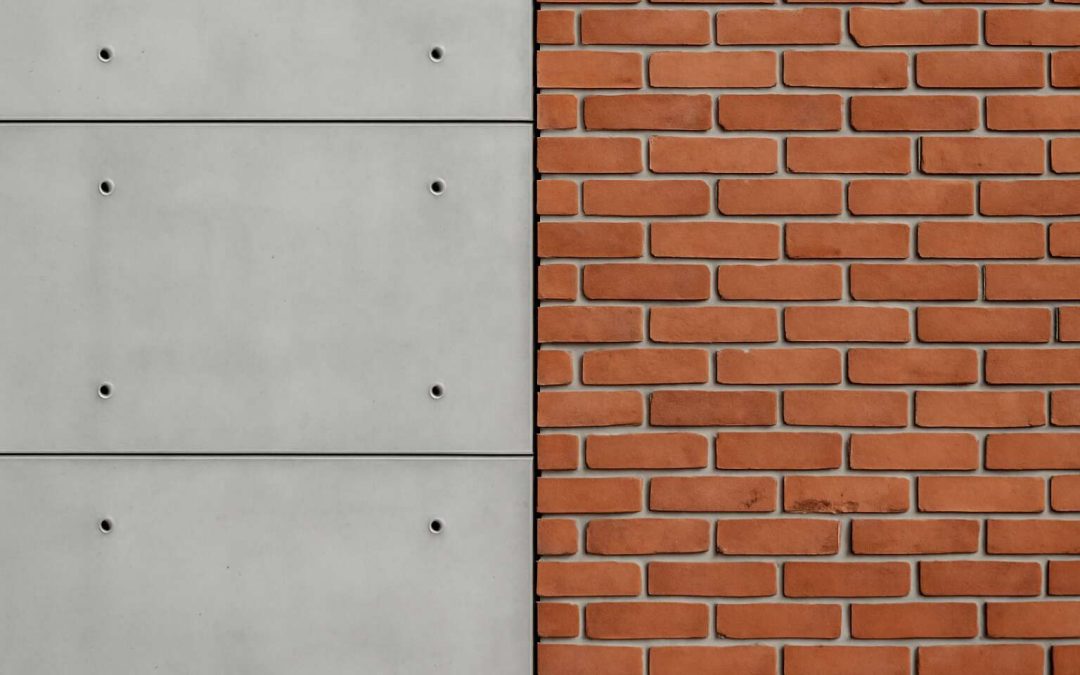
Understanding Precast Walls and Brick Walls
Overview of Precast Walls
In the realm of structural aesthetics and durability, the debate between precast walls vs brick wall has taken on a new level of significance, especially within South Africa’s dynamic construction landscape. Precast walls, manufactured off-site under precise conditions, offer a compelling alternative to traditional brickwork—combining efficiency with resilience. These walls are created using high-quality concrete elements that are then transported and assembled, significantly reducing construction time and minimizing onsite disruption.
The allure of precast walls lies in their ability to deliver uniformity and strength, qualities that often surpass the variability inherent in brick walls. While brick walls evoke a timeless charm rooted in tradition, precast walls provide modern versatility, allowing for a broad spectrum of finishes and designs. Their rapid installation process and superior thermal insulation make them especially appealing in South Africa’s diverse climate conditions.
Understanding precast walls requires appreciating their engineered precision—a stark contrast to the manual craftsmanship of brick walls. The choice between these two options often hinges on project scope, budget, and aesthetic preference. However, when considering precast walls vs brick wall, the long-term benefits of durability, speed, and customization tend to tip the scales in favor of precast solutions for contemporary construction needs.
Overview of Brick Walls
Understanding the fundamental differences between precast walls and brick walls is essential for making informed decisions in South Africa’s bustling construction sector. Brick walls, rooted in centuries of tradition, evoke a sense of timeless craftsmanship. They are built brick by brick, often reflecting cultural heritage and artisanal skill. However, this manual process can be labor-intensive and time-consuming, especially when large-scale projects are involved.
On the other hand, precast walls are crafted off-site in controlled environments, emphasizing engineered precision and efficiency. These walls are manufactured using high-quality concrete elements that are transported to the site for rapid assembly. When comparing precast walls vs brick wall, it’s clear that precast options often provide superior uniformity and resilience—qualities vital in South Africa’s diverse climate conditions. Furthermore, precast walls offer advantages such as better thermal insulation and faster construction timelines, making them increasingly popular among modern developers.
In the ongoing debate of precast walls vs brick wall, the choice often hinges on project scope and aesthetic preference. Yet, the technological edge of precast solutions cannot be overlooked, especially when durability and speed are prioritized.
Material Composition and Construction Techniques
Understanding the materials behind precast walls vs brick wall reveals a world of differences rooted in tradition and innovation. Brick walls, crafted from fired clay or concrete bricks, boast a history stretching back centuries, embodying craftsmanship and cultural heritage. Each brick is laid meticulously, creating a wall that’s as much a statement of artistry as it is a structure. Conversely, precast walls are manufactured in controlled factory settings, using high-strength concrete panels that are transported and assembled swiftly on-site. This off-site approach isn’t just a time-saver; it’s a game-changer—delivering precision and consistency that hand-laid bricks often struggle to match.
When comparing the construction techniques, brick walls rely on manual labor, with each brick carefully placed and bonded with mortar—a process that can stretch project timelines and introduce variability. Precast walls, however, benefit from modern engineering: the panels are cast with exact specifications, often featuring integrated insulation or finishes. To better visualize, consider these key differences:
- Material composition: bricks are mainly fired clay or concrete, while precast panels are high-quality concrete with potential for embedded reinforcement.
- Construction process: manual stacking versus factory-controlled casting and quick site assembly.
- Final product: unique, artisanal brickwork versus uniform, engineered precast panels that boast resilience and speed.
This technological edge in precast walls vs brick wall isn’t just about aesthetics; it’s about durability, speed, and adaptability—factors crucial for South Africa’s diverse climate. Whether it’s the searing heat of the Karoo or coastal humidity, precast solutions often stand taller (literally and figuratively) in the face of environmental challenges. So, when it comes to choosing between precast walls vs brick wall, understanding the underlying material composition and construction techniques is essential to making an informed decision that balances tradition with modernity.
Advantages of Precast Walls
Speed of Installation and Construction Efficiency
In the fast-paced world of construction, time isn’t just money—it’s everything. Precast walls offer a decisive edge when it comes to speed of installation and construction efficiency. Unlike traditional brick walls that require meticulous laying and curing, precast panels arrive ready-made, slashing build times dramatically. This rapid deployment not only accelerates project timelines but also minimizes labor costs—an irresistible advantage in South Africa’s competitive market.
The real magic lies in the streamlined process. Precast walls can be erected swiftly on-site with minimal fuss, often in a matter of days rather than weeks. This efficiency stems from their standardized manufacturing process, which ensures consistent quality and precise dimensions. For project managers, this means fewer delays, less on-site waste, and a smoother overall workflow. When comparing precast walls vs brick walls, the former’s quick turnaround can transform ambitious construction plans into tangible reality with astonishing speed!
Cost-Effectiveness and Budget Planning
In a landscape where every rand counts and time is as precious as gold, the choice between precast walls vs brick wall becomes a pivotal decision. Precast walls emerge not only as a symbol of modern ingenuity but also as a beacon of financial prudence. Their initial investment, often more predictable and manageable, translates into significant savings over the lifespan of a project.
Unlike traditional brick walls that demand meticulous craftsmanship and prolonged labor, precast panels are manufactured under controlled conditions, reducing unforeseen costs. This streamlined process minimizes waste and errors, enabling precise budget forecasting and seamless cash flow management. For those seeking to balance quality with economy, precast walls offer an alluring synergy of durability and cost-effectiveness, transforming budget planning from a daunting task into a strategic advantage.
In the grand theatre of construction, where every minute and every rand plays a vital role, precast walls stand out—an eloquent testament to efficiency and fiscal intelligence. They embody the art of working smarter, not harder, ensuring projects stay within financial bounds while reaching their majestic heights swiftly and elegantly. When pitted against brick walls, precast solutions often emerge as the champion of budget-conscious innovation.
Durability and Structural Strength
Precast walls offer a remarkable combination of durability and structural strength that makes them a standout choice against traditional brick walls. Crafted from high-quality concrete and reinforced with steel, precast panels are engineered to withstand the test of time and South Africa’s often harsh climate. This resilience is crucial in areas prone to extreme weather, where the integrity of a wall can be compromised over time.
Unlike brick walls, which can suffer from cracking and deterioration due to poor mortar joints or shifting foundations, precast walls maintain their structural integrity over decades. Their factory-controlled manufacturing process ensures consistent quality, reducing the risk of weak spots that could compromise stability. This results in a wall that not only lasts longer but also requires less maintenance, saving time and money in the long run.
In addition, precast walls are designed with structural strength in mind. Their ability to bear heavy loads and resist external pressures makes them ideal for fencing, boundary walls, and retaining structures. For those weighing precast walls vs brick wall, the strength and durability of precast options often tip the balance in favor of longevity and safety—key considerations for any building project.
Design Flexibility and Customization Options
One of the most compelling advantages of precast walls lies in their design flexibility and customization options. Unlike traditional brick walls, which are often limited to standard patterns and sizes, precast panels can be tailored to meet specific aesthetic and structural requirements. This level of customization allows architects and builders in South Africa to create unique, visually striking boundaries that reflect the personality of each project.
Precast walls can be manufactured with a variety of textures, finishes, and embedded features, such as decorative panels, logos, or integrated lighting. This adaptability makes precast walls vs brick wall a popular choice for projects demanding distinctive visual appeal. Additionally, complex shapes and curves are easily achieved with precast technology, offering an edge over the rigidity of brick construction.
For those seeking to combine strength with style, precast walls provide an unparalleled canvas for creativity. The ability to incorporate specific design elements during manufacturing not only enhances the overall aesthetic but also streamlines construction. As a result, precast walls stand out as a versatile and modern solution, perfectly suited for South Africa’s diverse architectural landscape.
Sustainability and Environmental Impact
Choosing between precast walls vs brick wall isn’t just about looks or cost—it’s also about sustainability and environmental impact. Precast walls are manufactured using eco-friendly materials and processes that generate less waste compared to traditional brick construction. This makes them a more sustainable choice for environmentally conscious projects in South Africa.
Furthermore, the production of precast panels often involves recycling of materials, reducing the demand for raw resources. The ability to control the manufacturing environment leads to more precise material use, minimizing excess waste. This eco-efficient approach not only benefits the environment but also helps project budgets stay in check.
In addition, precast walls tend to have a longer lifespan and require less maintenance, translating into fewer replacements and lower environmental costs over time. When comparing precast walls vs brick wall, the environmental benefits of precast options stand out as a compelling reason for better sustainability, especially as South Africa increasingly seeks greener construction solutions.
Advantages of Brick Walls
Aesthetic Appeal and Classic Look
Few architectural features evoke a sense of timeless elegance quite like a brick wall. Its rich texture and warm hues breathe life into any structure, transforming mere walls into works of art. The classic look of brick walls in South African architecture often symbolizes stability, heritage, and craftsmanship—values that resonate deeply with homeowners seeking authenticity and charm. When comparing precast walls vs brick wall, many are drawn to the aesthetic appeal that only genuine brick can provide.
Brick walls possess an innate ability to blend tradition with sophistication, creating an ambiance that feels both inviting and enduring. Their unique surface pattern and natural variation contribute to an aesthetic that is difficult to replicate with modern materials. For those who cherish the artistry of traditional construction, brick walls stand as a testament to craftsmanship, offering a visual richness that enhances the character of any property. This timeless quality is why brick remains a popular choice, despite the growing prevalence of precast walls.
Thermal Insulation Properties
Among the many virtues of brick walls, their exceptional thermal insulation properties stand as a testament to their enduring appeal. Unlike some modern materials, brick acts as a natural barrier against the caprices of South Africa’s climate, offering a sanctuary of comfort within. The dense composition of brick walls effectively moderates indoor temperatures, making homes warmer in winter and cooler in summer. This natural insulation reduces reliance on artificial cooling and heating systems, translating into significant energy savings over time.
What truly elevates the charm of brick walls in the ongoing debate of precast walls vs brick wall is their innate ability to maintain a stable internal environment. This characteristic not only enhances comfort but also nurtures a sense of tranquility and timeless elegance that many homeowners cherish. As an added benefit, the thermal insulation of brick walls contributes to the longevity of structures, resisting temperature-induced expansion and contraction that can cause wear and tear over the years.
- The thermal mass of brick absorbs and slowly releases heat, creating a natural buffer against temperature fluctuations.
- Natural ventilation is enhanced as brick walls can help regulate indoor humidity levels, fostering healthier living spaces.
In the grand tapestry of South African architecture, the thermal insulation properties of brick walls remain a pivotal factor, casting a warm glow on their enduring relevance amidst the evolving landscape of precast walls vs brick wall. This unique ability to harmonize durability with comfort transforms simple walls into guardians of the home’s soul, echoing centuries of craftsmanship and cultural legacy.
Sound Insulation Capabilities
Within the intricate dance of architectural acoustics, brick walls emerge as stalwart guardians of serenity, their sound insulation capabilities woven into their very fabric. Unlike precast walls, which often rely on layered composites and specialized coatings, brick walls possess innate density and mass that serve as formidable barriers against noise. The thick, dense arrangement of bricks absorbs and diminishes sound waves, creating a sanctuary of quietude amidst the hustle of South African life.
This natural soundproofing quality not only elevates comfort but also nurtures a sense of privacy—an increasingly precious commodity. For homeowners seeking refuge from urban clatter or the unpredictable symphony of outdoor elements, brick walls offer a tangible advantage. Their capacity to suppress airborne disturbances is so profound that it often surpasses the acoustic performance of many precast wall systems.
Furthermore, the layered composition of brick walls fosters a subtle yet powerful dampening effect. They act as a buffer, reducing the transmission of vibrations and noise through structural elements. This acoustic harmony, coupled with their timeless aesthetic, ensures brick walls remain an enduring choice for those who prioritize a peaceful living environment amidst the evolving landscape of precast walls vs brick wall.
Maintenance and Longevity
When considering the longevity of your property, brick walls stand out as the epitome of resilience and timeless appeal. Unlike precast walls, which may require periodic repairs or reinforcement, brick walls boast an impressive track record of enduring the test of time—sometimes stretching over a century with minimal fuss. Their robust material composition resists the ravages of South Africa’s climate, from the scorching sun to the sudden deluge, ensuring your investment remains steadfast.
Maintaining brick walls is surprisingly straightforward; simple repointing and occasional cleaning suffice to preserve their integrity. Notably, their natural composition makes them less susceptible to the corrosive effects of moisture and pests—common foes of other building materials. This innate durability translates into a lower total cost of ownership, as repairs and replacements are infrequent and manageable.
- Minimal maintenance requirements
- Exceptional weather resistance
- Long-lasting structural integrity
For those weighing precast walls vs brick wall, the latter’s durability offers peace of mind, turning a home into a fortress that ages gracefully—proof that classic construction never goes out of style.
Value and Traditional Building Preference
Brick walls have long been the gold standard in traditional construction, prized for their timeless appeal and proven durability. Their value extends beyond mere aesthetics; they offer an intrinsic sense of strength and permanence that many homeowners and developers find irreplaceable. Unlike precast walls, which can sometimes feel temporary, brick walls embody resilience and history, making them a preferred choice for those seeking a lasting investment.
Many still favor brick walls because of their classic look and proven ability to withstand South Africa’s harsh climate. They age gracefully, often becoming more charming over time. This preference for traditional building methods isn’t just about nostalgia; it’s rooted in the tangible benefits of durability and a lower lifetime cost. The enduring nature of brick walls often makes them a wiser choice for those who prioritize value and heritage.
Factors to Consider When Choosing Between Precast and Brick Walls
Project Timeline and Urgency
When weighing the options between precast walls vs brick wall, project timeline and urgency often tip the scales. In the vibrant landscape of South African construction, time is more than money—it’s a testament to efficiency and adaptability. Precast walls, with their rapid installation process, can transform a project from blueprint to reality in a fraction of the time required for traditional brick walls. This accelerated pace is particularly advantageous when deadlines loom or weather conditions threaten to delay progress.
Conversely, if the project demands a more nuanced, handcrafted aesthetic that aligns with cultural heritage or aesthetic preferences, brick walls may be preferred despite their longer construction timeline. For projects where urgency is paramount, prioritizing materials that facilitate swift assembly—like precast walls—can be a game-changer. Ultimately, understanding the distinct timelines associated with each option helps in making an informed decision that aligns with project goals and schedules.
Budget Constraints
When the shadows of budget constraints loom over a construction project, the choice between precast walls vs brick wall becomes a dance with the unseen. Cost-effectiveness is often the whisper that guides decision-makers—yet, it’s a delicate balance. Precast walls, with their streamlined manufacturing process, frequently reveal a lower initial investment, but one must ponder the long-term financial implications. Brick walls, although potentially more costly upfront, may offer durability that reduces ongoing maintenance expenses, whispering promises of longevity that could sway the balance in their favor.
In the realm of South African construction, where resources are as precious as water in a drought, understanding the nuanced cost dynamics is vital. A careful assessment might involve considering the following:
- The upfront material costs—are they within the project’s financial grasp?
- The installation expenses—does speed of construction translate into savings?
- The anticipated lifespan—will durability lower future repair costs?
Ultimately, the decision hinges on a careful weighing of immediate expenditure against enduring value—a choice that echoes through the corridors of time, shaping the very foundation of our built environment.
Building Design and Aesthetic Goals
Choosing between precast walls vs brick wall is no trivial pursuit—it’s a decision that shapes the very soul of a building. When evaluating building design and aesthetic goals, consider how each option aligns with the desired visual impact. Precast walls often lend themselves to sleek, modern aesthetics, with clean lines and uniform textures that evoke a contemporary vibe. Conversely, brick walls carry a timeless charm, whispering stories of tradition and craftsmanship that resonate deeply in South African architectural heritage.
Beyond looks, think about the message your project sends. Do you want a statement of innovation or a nod to history? The choice influences not just the visual appeal but also the overall ambiance of your space. For instance, if customization and unique finishes are paramount, precast walls may offer more flexibility. But if a classic, warm appearance is essential, brick walls could be the better fit.
Ultimately, your decision hinges on aligning these design and aesthetic goals with practical considerations—ensuring that the chosen material complements the project’s vision while standing the test of time. The dance between precast walls vs brick wall is as much about artistry as it is about function—each with its own story to tell.
Climate and Environmental Conditions
When choosing between precast walls vs brick wall for South African construction projects, climate and environmental conditions are often the silent arbiters. South Africa’s diverse climate, ranging from the scorching Karoo to the damp coastal regions, demands materials that can withstand nature’s whims without flinching. Precast walls, with their factory-controlled production, tend to excel in environments prone to rapid weather changes, offering consistent quality and resistance to moisture infiltration.
Brick walls, on the other hand, have a storied history of enduring South Africa’s climatic extremes, thanks to their natural thermal mass and breathability. However, in regions with high humidity or frequent rainfall, they may require additional protective measures to prevent deterioration.
- Consider the local climate’s impact on material longevity
- Assess environmental exposure such as wind, rain, and temperature fluctuations
Ultimately, the choice hinges on how well each option adapts to the specific environmental conditions of your site—an often overlooked but critical factor in ensuring the longevity and performance of your structure. The dance between precast walls vs brick wall becomes a strategic move, balancing resilience with tradition in the ever-evolving South African landscape.
Long-term Durability and Maintenance Requirements
Durability and maintenance are critical factors when choosing between precast walls vs brick wall for long-term construction success. Precast walls are manufactured under controlled conditions, which results in consistent quality and minimal need for repairs over time. They resist moisture and weathering better, making them ideal for South Africa’s varying climate zones. Maintenance typically involves occasional cleaning and inspections, reducing long-term costs and effort.
Brick walls, by contrast, have a proven track record of enduring South Africa’s climatic extremes. Their natural thermal mass helps regulate indoor temperatures, and their breathability prevents moisture buildup. However, in regions with high humidity or frequent rainfall, brick walls may require protective coatings or repointing to prevent deterioration.
- Weather resistance
- Repair frequency
are important considerations that influence the longevity and upkeep of each option.
Choosing between precast walls vs brick wall ultimately hinges on assessing how each material performs under specific environmental conditions and the long-term maintenance commitments involved. Both options offer unique advantages, but understanding their resilience in South Africa’s diverse climate is key to making a sound investment.
Cost Comparison: Precast Walls vs Brick Walls
Initial Construction Costs
When weighing the initial construction costs between precast walls vs brick walls, the choice often hinges on budget and project scope. Precast walls, with their factory-finished precision, typically offer a more predictable and often lower upfront investment. Their streamlined manufacturing process reduces labor costs and shortens construction timelines, which can translate into significant savings, especially on large-scale projects.
Conversely, traditional brick walls may seem more economical initially, but the cumulative expenses for skilled labor, mortar, and prolonged construction time can add up quickly. Brickwork demands meticulous craftsmanship and a longer build schedule, which can inflate the overall cost. For projects with tight schedules or budget constraints, precast walls vs brick wall options often favor precast due to their rapid installation and lower labor overhead.
- The initial material costs tend to favor precast walls, as bulk manufacturing reduces per-unit expenses.
- Brick walls often require more extensive labor, which can elevate the overall initial expenditure.
- Precast walls can be installed in a fraction of the time, minimizing site supervision costs.
Ultimately, the decision between precast walls vs brick wall hinges on balancing immediate expenses against long-term value, but for many developers and architects in South Africa, precast offers a compelling blend of cost efficiency and swift delivery that makes it an attractive choice.
Long-term Maintenance Expenses
Long-term maintenance expenses often reveal the true worth of building materials, exposing the subtle nuances that influence a property’s lifecycle costs. When comparing precast walls vs brick wall, one must consider how each material endures the relentless march of time. Precast walls, crafted with precision and factory-controlled consistency, typically demand less ongoing upkeep. Their resistant surface minimizes the risk of cracking, spalling, or deterioration, translating into lower maintenance costs over decades.
Brick walls, while aesthetically timeless, tend to require more frequent repairs—repointing mortar joints, replacing damaged bricks, or sealing porous surfaces. The labor-intensive nature of brickwork means that even minor damages can escalate into significant expenses. Over time, these cumulative costs can surpass initial savings, especially in South Africa’s climate zones where moisture and temperature fluctuations accelerate wear.
- Repointing mortar joints
- Replacing cracked or damaged bricks
- Periodic sealing or waterproofing
In the ongoing dialogue of precast walls vs brick wall, the durability and ease of maintenance often tip the scales. Precast options typically offer a lower total cost of ownership, providing peace of mind against the unpredictable nature of long-term repairs. When considering investment, the resilience of precast walls becomes a compelling argument—one that aligns with the pragmatic realities faced by developers and property owners across South Africa.
Additional Costs and Hidden Expenses
When pondering the true expense behind building walls, the invisible costs often cast the longest shadow. Precast walls vs brick wall—each presents a different financial tapestry woven with hidden expenses that can surprise even seasoned developers. While the initial price tag for precast walls might seem higher at first glance, the story doesn’t end there. Maintenance costs, repair needs, and lifespan intricacies all sway the final tally.
Brick walls, celebrated for their timeless charm, often conceal a ledger of hidden costs. Repointing mortar joints, replacing cracked bricks, and periodic waterproofing can accumulate into a substantial financial burden over decades. These tasks are labor-intensive and require skilled artisans, which can stretch budgets thin, especially in South Africa’s variable climate zones where moisture and temperature swings accelerate deterioration.
In contrast, precast walls vs brick wall—when factoring additional costs—often favor precast options. Their factory-controlled production ensures consistency and reduces unforeseen expenses. The surface resistance of precast panels diminishes the need for frequent repairs, translating into lower maintenance expenses. Notably, faster installation times mean fewer labor hours and fewer project delays, further curbing overall costs. The savings become even more pronounced when considering long-term durability and the reduced need for periodic repairs, making precast walls an economically sound investment in the long run.
Installation and Construction Process
Precast Wall Installation Procedures
In the realm of modern construction, the installation process of precast walls vs brick wall reveals a fascinating juxtaposition of craftsmanship and innovation. Precast walls, forged in the controlled environment of factories, arrive as ready-to-erect monoliths—each piece meticulously crafted for precision. This streamlined process transforms the building site into a stage where these precast panels are swiftly assembled, reducing the typical delays associated with traditional brickwork.
During installation, the precast wall procedure involves a sequence of strategic steps, often culminating in a fraction of the time required for brick wall construction. First, the foundation is prepared with exacting standards, then the precast panels are transported and hoisted into position—often using cranes or heavy-duty lifts. Once aligned, they are secured with high-strength mortar or mechanical fasteners, creating a seamless, durable barrier. The entire process is designed to minimize on-site labor and maximize efficiency.
For those contemplating precast walls vs brick wall, understanding these construction procedures underscores why precast options are gaining favor in projects demanding speed and consistency. The ability to install large panels in a matter of days, rather than weeks, makes precast walls a compelling choice for rapid development. In essence, the construction process becomes a symphony of precision and expedience, setting a new standard in architectural ingenuity.
Brick Wall Construction Steps
In the grand tapestry of construction, the process of erecting a brick wall unfolds as a slow dance—each brick laid with deliberate care, mortar blending to form a sturdy yet time-consuming barrier. Unlike precast walls vs brick wall, where the former arrives as a completed masterpiece, traditional brickwork demands patience and precision at every step. Typically, the process begins with meticulous foundation work, ensuring the base can support the weight overhead. Then, layers of bricks are carefully stacked, each joint filled with mortar to forge a resilient connection. This craftsmanship, while regal in its aesthetic, often stretches the project timeline and demands skilled labor.
In contrast, the construction steps for brick walls are inherently sequential, often involving:
- Preparation of the foundation with exact measurements to ensure stability
- Laying the first course of bricks, establishing the wall’s reference point
- Incrementally building upwards, with each row aligned and bonded with mortar
- Incorporating reinforcements or insulation layers as needed for enhanced durability
While brick walls embody tradition and timeless appeal, the methodical pace can be a significant drawback in projects where speed is paramount. As the debate of precast walls vs brick wall continues, the slower, labor-intensive nature of brick construction remains a testament to craftsmanship—yet, it pales in comparison to the efficiency and rapid assembly of precast panels. The choice ultimately hinges on project demands, aesthetic aspirations, and environmental considerations, but understanding these construction processes underscores why precast walls are increasingly favored in modern South African development landscapes.
Construction Timeframe Comparison
When comparing precast walls vs brick wall, one of the most striking differences lies in the construction timeframe. Precast walls are manufactured off-site under controlled conditions, allowing for rapid assembly once delivered to the site. The entire process from production to installation can often be completed within days, significantly reducing project timelines. In contrast, brick walls demand meticulous, step-by-step craftsmanship—each brick laid with precision, each mortar joint carefully filled—making the entire process inherently slower and more labor-intensive.
For projects where time is a critical factor, precast walls offer an undeniable advantage. The construction process for precast panels involves casting them in a factory, then transporting and installing them swiftly on-site. This efficiency means fewer delays and a more predictable schedule. Conversely, building a brick wall involves foundational work, curing periods, and skilled labor that can extend the project duration considerably. In the ongoing debate of precast walls vs brick wall, speed and efficiency often tip the scales in favor of precast options, especially in fast-paced development environments across South Africa.
Maintenance and Durability
Precast Walls: Maintenance Needs and Lifespan
When weighing precast walls vs brick wall, durability and maintenance are crucial factors that influence long-term performance. Precast walls are engineered with high-quality concrete, making them resilient against harsh South African climates—resisting cracking, weathering, and pests. Their lifespan often exceeds 50 years with minimal upkeep, thanks to their dense, solid construction. In contrast, brick walls typically require ongoing maintenance, such as repointing mortar joints and sealing cracks, especially in regions prone to temperature fluctuations and moisture. Over time, bricks can deteriorate, leading to increased repair costs.
Precast walls are virtually maintenance-free, needing only periodic cleaning to retain their appearance. They also stand strong against the elements, reducing the need for costly repairs. Brick walls, however, demand a more vigilant approach—regular inspections, re-mortaring, and sometimes replacing damaged bricks to uphold structural integrity. The choice between precast walls vs brick wall hinges on these longevity and upkeep considerations, making precast an appealing solution for projects prioritizing durability and low-maintenance costs.
Brick Walls: Maintenance Challenges and Longevity
Brick walls, long heralded as the timeless symbol of durability, come with their own set of maintenance challenges that can catch even seasoned builders off guard. Over the years, moisture infiltration, temperature fluctuations, and the relentless march of time take their toll, demanding ongoing repairs. Repointing mortar joints, sealing cracks, and replacing weathered bricks become routine—an ongoing maintenance cycle that can escalate costs and disrupt project timelines.
While brick walls offer a classic aesthetic, their longevity is often compromised without diligent upkeep. The porous nature of bricks makes them particularly vulnerable to moisture damage, which can accelerate deterioration, especially in South Africa’s diverse climate zones. The result? Increased repair expenses and a shorter lifespan if maintenance is neglected. Unlike precast walls, which are engineered for resilience, brick walls require a vigilant eye and regular intervention to maintain structural integrity and appearance.
In the ongoing debate of precast walls vs brick wall, understanding these maintenance and longevity considerations reveals why precast alternatives are increasingly favored for their minimal upkeep and extended durability. For project managers seeking both aesthetic appeal and long-term performance, the choice is clear—precise engineering over traditional craftsmanship often wins the battle of endurance. Truly, the enduring charm of brick must be weighed against the pragmatic resilience of precast solutions, especially when durability and low-maintenance costs are paramount.
Resilience to Environmental Factors
When it comes to facing South Africa’s unpredictable climate, the resilience of your walls can make or break a construction project. Precast walls vs brick wall each have distinct strengths in handling environmental factors, but precast solutions often come out ahead in durability and low-maintenance demands. Their engineered composition offers superior resistance to moisture infiltration, temperature fluctuations, and the relentless wear of time. Precast walls are manufactured in controlled environments, ensuring consistent quality and enhanced resilience, unlike traditional brick walls which rely heavily on craftsmanship and weather-dependent processes.
Environmental resilience is crucial—especially in regions prone to heavy rains, intense sun, or sudden temperature shifts. Precast panels are designed with advanced materials that prevent cracking and deterioration, offering a long-lasting shield against South Africa’s diverse climate zones. In contrast, brick walls are porous and susceptible to moisture damage, which can accelerate decay if not meticulously maintained. This ongoing vulnerability impacts both the structural integrity and aesthetic appeal over the years.
For projects prioritizing durability, precast walls vs brick wall debates often favor precast options due to their inherent ability to withstand environmental stressors with minimal intervention. This resilience not only extends the lifespan but also reduces costly repairs, making precast an increasingly popular choice among developers seeking a robust, low-maintenance solution. The battle of endurance leans sharply in favor of precast, especially when durability and environmental resistance are non-negotiable factors.
Design and Aesthetic Options
Precast Wall Customization and Finishes
When it comes to transforming a property’s façade, the debate between precast walls vs brick wall options often hinges on design possibilities. Precast walls offer an impressive level of customization, allowing architects and builders to craft intricate patterns, textures, and finishes that stand out. Unlike traditional brick walls, which are limited to the classic, rustic charm of brickwork, precast panels can be tailored to match specific aesthetic visions with ease.
For those seeking versatility, precast walls provide a palette of options—from smooth modern surfaces to textured finishes mimicking natural stone or even wood. The ability to incorporate varied colors and finishes directly into the manufacturing process means that your walls can be as unique as your project demands. This flexibility makes precast walls vs brick wall comparisons crucial for projects where aesthetic customization and distinct styling are priorities, especially in South Africa’s diverse architectural landscape.
Brick Wall Styles and Patterns
When contemplating the visual language of a property, the choices between precast walls vs brick wall become profoundly significant. Brick walls, with their storied history, evoke a sense of timeless charm and enduring stability. They lend a rustic elegance, often featuring classic patterns like running bond, Flemish bond, or herringbone, each telling a different story through their arrangement. These styles offer a nostalgic appeal, resonating deeply within South Africa’s diverse architectural tapestry.
Yet, precast walls introduce an entirely new realm of design possibilities. With their ability to incorporate intricate textures and finishes, they can emulate natural stone, wood grain, or sleek modern surfaces with remarkable precision. This flexibility allows architects to craft unique visual statements that stand out amidst the traditional landscape. For instance, textured precast panels can mimic the rugged allure of veldstone or the refined elegance of polished marble, catering to contemporary tastes or heritage-inspired designs alike.
For those seeking structured patterns or artistic motifs, precast walls can be cast with embedded designs or customized patterns, offering a dynamic alternative to the more uniform appearance of brick walls. Their versatility makes them an ideal choice for projects where aesthetic innovation and creative expression are paramount. Whether aiming for a minimalist modern look or a rich, textured façade, the debate of precast walls vs brick wall hinges on the specific aesthetic goals and the desired impact on the environment. In South Africa’s vibrant architectural landscape, the decision often aligns with the vision of blending tradition with innovation, ensuring every structure tells a compelling story through its surface design.
Combining Both for Unique Architectural Features
Combining different materials can elevate architectural design, creating structures that are both functional and visually striking. When comparing precast walls vs brick wall, the potential for integrating these elements opens up exciting possibilities for unique features. Precast panels can be cast with embedded motifs or textured finishes, providing a canvas for artistic expression. For example, a precast wall with engraved patterns can serve as a focal point, enhancing the building’s character.
Meanwhile, brick walls bring a timeless charm that grounds a design in tradition. By blending brick with precast elements, architects can achieve a harmonious balance of old and new. Consider using precast panels for sleek, modern accents alongside a classic brick façade. This layered approach allows for creative versatility, enabling tailored aesthetics that reflect cultural heritage while embracing innovation.
- Use precast walls for bold, textured features that stand out against a backdrop of traditional brickwork.
- Incorporate brick accents into precast walls to add warmth and historical context.
- Create a façade that combines the durability of precast with the nostalgic appeal of brick patterns for a truly distinctive appearance.
This hybrid approach not only enhances visual interest but also aligns with South Africa’s diverse architectural landscape, where blending tradition with contemporary design is increasingly valued. The interplay of materials allows for a bespoke façade that communicates a powerful narrative—one that celebrates heritage while embracing modern innovation.
Environmental Impact and Sustainability
Precast Walls: Eco-Friendly Aspects
Environmental impact and sustainability are increasingly shaping construction choices, especially when comparing precast walls vs brick wall. Precast walls are often lauded for their eco-friendly aspects because they are manufactured in controlled environments, reducing waste and minimizing on-site pollution. Additionally, the production process of precast panels typically consumes less water and energy compared to traditional brick manufacturing, which involves firing clay at high temperatures.
In contrast, brick walls, though timeless and aesthetically appealing, tend to have a heavier environmental footprint. The extraction of clay and the energy-intensive firing process contribute significantly to carbon emissions. For builders seeking greener options, precast walls offer a compelling alternative by leveraging recycled materials and reducing construction waste. Some precast systems even incorporate sustainable additives, further enhancing their eco-friendly credentials.
- Reduced waste during manufacturing
- Lower energy consumption in production
- Potential for recycled and sustainable materials
Ultimately, when weighing precast walls vs brick wall, the environmental benefits of precast solutions often tip the scale for environmentally conscious projects in South Africa. They not only support sustainable development but also align with growing regulations around construction emissions and resource conservation. As the industry gravitates towards greener practices, precast walls stand out as a responsible choice for future-proof building designs.
Brick Walls: Sustainability Considerations
When considering precast walls vs brick wall, the environmental impact plays a crucial role in modern construction decisions. Brick walls, while revered for their timeless aesthetic, often carry a heavier ecological footprint. The extraction of clay and the energy-intensive firing process release significant carbon emissions, making them less sustainable in the long run.
Precast walls, on the other hand, are gaining popularity for their eco-friendly advantages. Crafted in controlled environments, they generate less construction waste and consume considerably less water and energy during manufacturing. Many precast systems also incorporate recycled materials, further reducing their environmental footprint. For builders committed to sustainability, precast walls are an increasingly responsible choice that aligns with South Africa’s push towards greener building solutions.
In fact, when comparing precast walls vs brick wall, the latter’s environmental drawbacks become more apparent. The benefits of precast walls extend beyond construction — they support resource conservation and help meet stringent regulations aimed at reducing construction emissions. As the industry moves towards more sustainable practices, the eco-friendly nature of precast walls makes them an appealing option for environmentally conscious projects in South Africa.
Recycling and Reusability
The environmental toll of construction materials often flies under the radar, yet it profoundly influences sustainability in modern building practices. When considering precast walls vs brick wall, the ecological impact is a critical factor that can sway decision-makers towards greener solutions. Precast walls are manufactured in controlled environments, significantly reducing waste and water consumption, unlike traditional brick walls that rely heavily on resource-intensive firing processes. This controlled manufacturing not only curtails emissions but also promotes resource conservation—vital in South Africa’s push for sustainable development.
Recycling and reusability are pivotal to enhancing the eco-friendliness of precast walls. Many precast systems incorporate recycled aggregates and materials, transforming what would be waste into valuable building components. This approach reduces landfill burden and lowers the demand for virgin materials, making precast walls a sustainable choice for environmentally conscious projects. Additionally, their durability means they can often be repurposed or reclaimed at the end of their lifespan, further extending their ecological benefits. In the grand debate of precast walls vs brick wall, the sustainability advantages of precast are increasingly compelling—and essential—for tomorrow’s construction landscape in South Africa.
Conclusion and Recommendations
Summary of Key Differences
In the relentless pursuit of durable, cost-effective, and aesthetically pleasing boundary solutions, the debate between precast walls vs brick wall continues to captivate architects and builders alike. Both options boast unique advantages that cater to different project needs, but understanding their core differences is essential for making an informed choice. Precast walls, with their rapid installation and minimal maintenance, have become increasingly popular in South Africa’s fast-paced construction scene. Conversely, brick walls exude timeless charm, offering unmatched aesthetic flexibility and a sense of tradition that many homeowners still cherish.
When weighing precast walls vs brick wall, consider the long-term implications. Precast options often shine in projects demanding swift completion and reduced labor costs, while brick walls excel in providing a classic look with superior thermal and sound insulation properties. For those prioritizing sustainability, precast walls can be eco-friendly through recycled materials, yet brick walls’ longevity and reusability make them a sustainable choice in the long run. Ultimately, the decision hinges on balancing project timeline, budget constraints, and design aspirations—each material telling a different story of resilience and style in South Africa’s evolving landscape.
Ideal Scenarios for Precast Walls
In the shadowed corridors of construction choices, precast walls vs brick wall emerge as the enduring duel—each whispering promises of strength and beauty. For projects demanding swift execution, precast walls shine like spectral guardians—delivering rapid installation with minimal fuss. Their ability to be customized with finishes that mimic traditional textures makes them a formidable contender in the South African landscape, where time is often a luxury.
Meanwhile, brick walls remain the timeless custodians of craftsmanship, their enduring presence echoing stories of centuries past. When durability and classic aesthetic appeal are paramount, brick walls stand resilient against the elements, offering unmatched thermal and sound insulation. The decision between precast walls vs brick wall hinges on the project’s soul—whether it seeks the ghostly efficiency of modernity or the enduring charm of tradition.
In environments where sustainability whispers through the breeze, precast walls can harness recycled materials, making them an eco-conscious choice. Yet, for those who cherish the reusability and longevity of a structure, brick walls cast long shadows—standing the test of time, weather, and memory. When the curtain falls on the debate, understanding these core differences ensures each project’s story is etched with resilience and style—whether in the bustling cities or the silent outskirts of South Africa.
When to Choose Brick Walls
Choosing between precast walls vs brick wall ultimately hinges on a project’s unique demands and future ambitions. When longevity and classic charm are non-negotiable, brick walls stand as the stalwart guardians of tradition—building a narrative of resilience that spans generations. Their timeless appeal, combined with exceptional thermal and sound insulation, makes them ideal for homes and heritage sites where authenticity is king.
However, if speed and efficiency are the name of the game, precast walls offer a compelling advantage. Their rapid installation process, coupled with the ability to customize finishes that mimic traditional textures, makes them perfect for projects with tight deadlines or rapid urban development in South Africa. When the question of precast walls vs brick wall arises, consider the project’s core priorities—whether it’s the enduring story told by bricks or the swift, modern narrative written by precast panels.
- Opt for brick walls when durability, classic aesthetics, and long-term reusability are paramount.
- Choose precast walls when project timelines are tight, and eco-conscious construction with recycled materials aligns with sustainability goals.
In the final analysis, neither option is inherently superior—each has its place in the evolving architectural landscape of South Africa. The key lies in understanding the subtle nuances that make precast walls vs brick wall a decision rooted in purpose, environment, and the story you wish to tell with your structure. After all, building is more than just erecting walls; it’s about crafting enduring legacies—wall by wall.
