
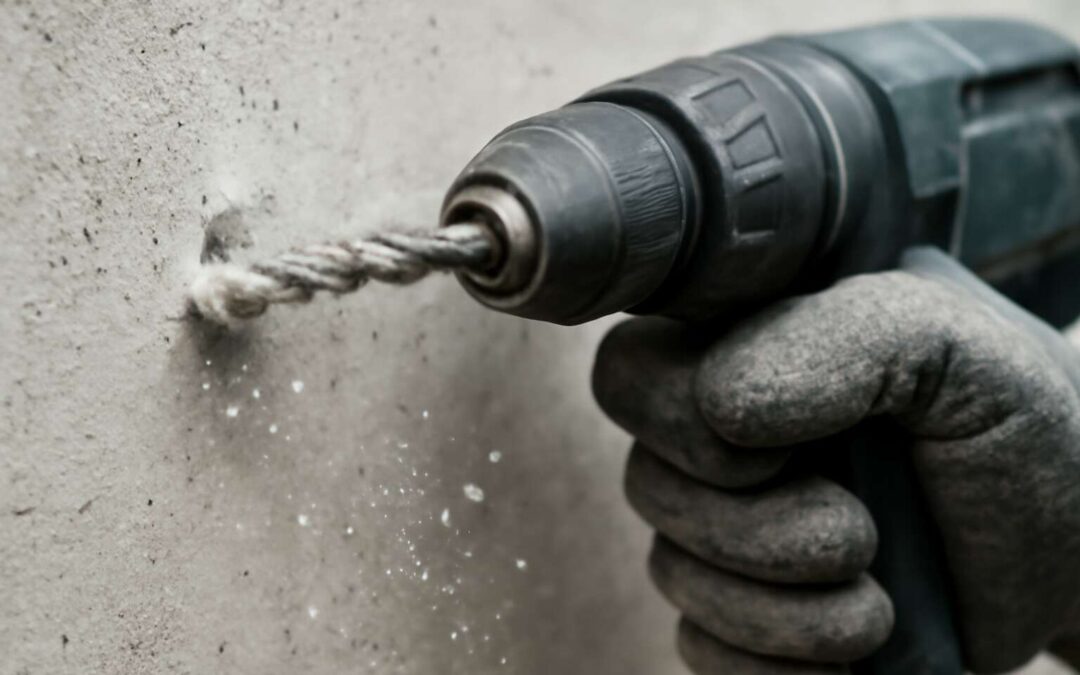
Understanding Precast Concrete Walls and Drilling Implications
Overview of Precast Concrete Walls
Precast concrete walls are manufactured off-site in controlled conditions and snapped into place with precision. In new builds, these panels can cut on-site construction time by up to 40%, a statistic that speaks to efficiency. They offer uniform strength and rapid assembly, traits prized on South Africa projects from commercial complexes to housing developments. Understanding drilling into precast concrete walls begins with how these panels are formed and connected.
These walls carry axial and bending forces through joints and cores. The drilling implications touch on load paths, joint integrity, and moisture management; when considering drilling into precast concrete walls, load paths and core locations guide where openings may be found.
Key considerations include:
- Structural load paths remain intact
- Moisture seals and joint stability
- Compatibility with insulation and finishes
Why Drilling is Different for Precast vs. Solid Concrete
In precast, panels arrive with factory-made cores and engineered joints, a quiet choreography of strength and precision. drilling into precast concrete walls is not just about holes; you’re threading through a designed load path that travels through cores to the building’s skeleton.
Openings must respect panel interfaces, avoiding disruption to joint integrity and moisture seals. When considering drilling into precast concrete walls, unlike solid concrete, precast relies on factory-installed connections and site fit; misalignments can ripple through the structure. The hunt is for locations that preserve axial and bending paths rather than sever them.
- Preserve load paths
- Maintain seals around openings
- Align with insulation and finishes
Understanding this balance turns drilling into precast concrete walls into a careful dialogue with the wall—the interface that carries South Africa’s skyline from factory floor to site, quietly resistant, endlessly precise.
Load and Structural Considerations for Drilling
The reality of drilling into precast concrete walls is that a single hole is more than a hole—it’s a decision about the building’s skeleton. In South Africa’s ambitious skylines, precast panels arrive with factory cores and engineered joints, a quiet choreography of strength and precision. I remind readers that a measured approach keeps the work in harmony with the wall’s engineered load path and moisture seals.
- Preserve load paths
- Maintain seals around openings
- Align with insulation and finishes
Understanding the balance turns this work into a careful dialogue between panel interface, insulation, and finishes.
Common Applications and Limitations for Precast Wall Drilling
Urban canyons in South Africa’s cities rise on precision, where precast panels carry more than weight—they carry intention. Their factory cores and engineered joints choreograph a restrained elegance, demanding a respect from every opening and notch. Recognizing this balance makes the act of penetration a dialogue with the wall’s purpose.
Understanding drilling into precast concrete walls reveals the nuanced balance between penetrations and panel integrity. Common applications touch corridors of power, data, and climate lines, all threaded through without disturbing the panel’s rhythm. Limitations linger in the margins—the risk of micro-cracks near cores, the need to protect moisture seals, and the challenge of aligning with insulation and finishes.
- Common applications: service penetrations, conduits, and fixture openings that honor the wall’s joints and cores.
- Limitations: potential cracking near cores, moisture seal integrity, and interactions with insulation layers.
- Quality alignment: finishes and cladding should mirror the panel’s engineered path for a cohesive look.
Tools, Equipment, and Materials for Safe Drilling
Essential Drilling Tools for Concrete
On South Africa’s busy sites, the right tools turn stubborn concrete into manageable work. When drilling into precast concrete walls, control and accuracy are as vital as power—choosing the right equipment keeps holes clean and projects on track.
Essential drilling tools for concrete include:
- Masonry drill bits for precise entry
- Hammer drill with variable speed
- SDS-plus or SDS-Max rotary hammer for tougher work
- Core bits for larger openings
- Dust extraction or vacuum to manage debris
Materials and safety gear round out the kit. Use corrosion-resistant anchors and appropriate epoxy or polyurethane adhesives for secure fixes to precast walls; keep cooling water handy to reduce heat during longer bores. Always wear eye protection, hearing protection, a dust mask and gloves to protect workers and keep the site calm and safe. For drilling into precast concrete walls, the choice of anchors and sealants can matter as much as the drill itself.
Choosing Drill Bits and Anchors for Precast Walls
On South Africa’s busiest sites, precision saves both time and heartbeats; a bore placed squarely becomes the heartbeat of the wall. “Measure twice, bore once,” a veteran foreman insists, and the adage lands like a hammer’s gentle echo across every precast panel.
In drilling into precast concrete walls, the right blend of tools, equipment, and materials keeps holes clean and anchors secure. Favor bits that yield a crisp entry, maintain a steady cooling flow for longer bores, and harness robust dust management. Choose corrosion-resistant anchors and bonding agents that suit the panel matrix.
- Crisp entry geometry for clean holes
- Accurate depth and alignment control
- Corrosion-resistant anchors and compatible adhesives
- Effective dust extraction and PPE
Safety Gear and PPE for Concrete Drilling
On South Africa’s busiest sites, a single PPE lapse can ripple into hours of downtime. Field audits show sites with documented PPE plans report up to 40% fewer incidents. Quality begins with the right mix of tools for drilling into precast concrete walls. The right gear turns a risky routine into steady, almost supernatural precision—without the guesswork. I’ve seen it—precision feels almost supernatural.
- N95 or PAPR respirator for fine dust
- Safety glasses or full-face shield
- Hearing protection (earplugs or earmuffs)
- Heavy-duty gloves for grip and cut resistance
- Hard hat with face shield
- Dust-rated boots and high-visibility gear
Smart dust management and air-quality control finish the toolkit. A connected dust extraction system with properly fitted shrouds keeps the air clear, while corrosion-resistant anchors and compatible bonding agents protect the wall’s integrity.
Dust Management and Containment for Work Area
Dust is a quiet thief on South Africa’s busiest sites, stealing hours from weary crews and clouding the air around heavy equipment. When you’re drilling into precast concrete walls, a clean, controlled air zone isn’t optional—it’s the backbone of a safe, steady day on site.
- Connected dust extraction system with properly fitted shrouds
- HEPA-filtered purifiers or portable scrubbers to maintain air quality
- Containment barriers and floor protection to keep dust in check
- Low-dispersion misting options or water sprays to suppress dust at the source
Pair these with durable containment mats and easy-clean waste bags, and you craft a work area that breathes easier and runs smoother. It’s the quiet discipline that makes heavy lifting feel almost effortless.
Techniques and Best Practices for Clean, Precise Holes
Drilling Techniques: Percussive vs. Rotary Hammer
In bustling South African job sites, clean, precise holes save time and prevent costly rework. A single well-placed bore speeds up installations on precast projects, turning boiler-room logistics into smooth operation. When drilling into precast concrete walls, technique matters as much as torque—and choosing the right approach keeps edges sharp and sleeves true.
Techniques and best practices hinge on hammer choice. Percussive tools bite fast but can wander without a guiding pilot; rotary hammers, with the right SDS bits, offer crisper lines through reinforced sections. For a clean pass, consider these steps:
- Begin with a pilot hole to guide the larger bit.
- Maintain perpendicular alignment and a steady, light feed.
- Apply depth stops and dust containment to prevent over-penetration and debris.
With care, this work becomes precise, predictable, and adds value.
Step-by-Step Setup for Accurate Hole Placement
On bustling South African sites, precision is the difference between a clean bore and a costly rework. When drilling into precast concrete walls, a disciplined setup makes edges razor-sharp and sleeves perfectly aligned. The plan begins with eyes on the wall, a measured line, and a quiet confidence that the bore will sing true.
- Mark the target with a center punch and use a level to lock your line.
- Drill a small guiding bore to lock in the trajectory.
- Switch to the main bit, keeping the tool perpendicular and feeding steadily.
- Set a depth stop and fit a dust shield to manage debris.
- Pause to verify straightness and the hole depth before proceeding.
With this rhythm, drilling into precast concrete walls becomes controlled and predictable—edges stay sharp, sleeves stay true, and timelines stay intact.
Drilling through Reinforcement: Rebar Considerations and Avoidance
On a bustling South African site, precision is the loudest tool in the pocket. When drilling into precast concrete walls, the difference between a clean bore and a costly rework is a measured rhythm: eyes tracing a line, a tiny pilot, and a confidence that the bore will sing true. Edge and sleeve alignment hinge on disciplined setup and a mind tuned for the subtle cues of the material.
Reinforcement lurks beneath the surface; knowing where rebar lies is essential. Before contact, map the grid with a rebar detector and choose a safe pilot path. Use a carbide pilot bit and a slow, steady feed to avoid binding.
Managing Drill Speed, Lubrication, and Depth Stops
On South African job sites, precision often outshines spectacle. A telling stat places misdrilled holes as the quiet culprit behind 30% of rework in precast installations.
When drilling into precast concrete walls, the clean bore begins with a measured tempo. Respect the drill speed as a partner; let the bit speak in steady motion, plus gentle pressure that avoids binding. Lubrication becomes a balm, not a burst of mist—a slow, mindful touch that cools, cushions, and prolongs the life of the bit. Depth stops act as moral compasses, ensuring every hole finds its true home without wandering.
- Calm, consistent feed as a principle that honors the material’s memory.
- Thoughtful lubrication as a partnering principle for cooling and clean cuts.
- Depth stops as a compass to keep holes within designed tolerances.
In the end, the bore sings true, a testament to careful craft on a SA site where ambition meets precision.
Safety, Codes, and Troubleshooting for Precast Wall Drilling
Compliance and Building Codes for Precast Installations
In South Africa, safety governs every cut and consideration. When evaluating drilling into precast concrete walls, teams conduct a risk review, secure the site, and plan for contingencies—because a momentary oversight can ripple through the entire project.
Codes tie design and practice together. Local building codes and general engineering standards demand an engineer’s sign-off, permits, and documented inspections for precast installations. Align drawings with field conditions to prevent misfits and non-conformances.
- Engineer-approved design and load assumptions
- Permits and approvals from the local authority
- Traceable documentation and testing records
Troubleshooting centers on robust documentation and clear lines of oversight. When discrepancies arise, rely on the engineer’s sign-off and the project records to identify the root cause and keep the installation aligned with codes.
Common Drilling Problems and Fixes
Every cut in precast work carries a ripple effect—risk, delay, rework. In the South African context, safety governs every step when drilling into precast concrete walls. Teams start with a formal risk review, secure the site, and map contingencies because a single oversight can cascade across milestones!
Codes bind design and action. An engineer’s sign-off, permits, and clear inspections keep work aligned with local authority expectations. Field drawings must reflect real conditions to avoid misfits, with robust documentation serving as the project’s spine.
When issues surface, troubleshoot through traceable records and the engineer’s oversight: root cause analyses, non-conformances tracked, and decisions documented to preserve compliance and progress.
- Engineering sign-off and loading assumptions as a control point
- Permits and local approvals to keep installations compliant
- Document trails and testing records to speed troubleshooting
Aftercare: Sealing, Curing, and Anchoring Post-Drill
Safety is the quiet heartbeat after the drill. In South Africa, each penetration in precast walls demands disciplined care, because slip-ups echo through milestones. The moment you finish drilling into precast concrete walls, sealing and anchoring become as vital as the cut itself.
Codes govern the handover from drill to finishing. Engineer sign-off, permits, and inspections keep aftercare aligned with local expectations, and traceable records speed troubleshooting should deviations arise. Sealing, curing, and anchoring post-drill demand attention to material compatibility and long-term performance.
- Sealing considerations: material compatibility and joint integrity
- Curing considerations: environmental conditions and timelines
- Anchoring considerations: load verification and re-tightening reviews
Emergency Procedures and Personal Safety Protocols
In the heart of every precast project, safety is the quiet heartbeat. When the drill bites, a clear plan, proper PPE, and a calm response keep momentum from turning into misstep. In South Africa, personal safety protocols are non-negotiable as the surface yawns.
Codes govern the handover from drill to finishing. In SA, engineer sign-off, permits, and inspections keep aftercare aligned with local expectations. If deviations arise, quick escalation, documented records, and site-brief updates keep everything honest.
- Stop the drill and alert the supervisor
- Isolate the area and re-check PPE
- Notify the engineer and log the incident
Troubleshooting: pause, re-check alignment, adjust feed, and consult the site log before resuming. If in doubt, follow emergency procedures for drilling into precast concrete walls.
