
Understanding the Basics of Concrete Wall Construction
Overview of Concrete Walls – Definition and common uses of concrete walls in construction
Concrete walls are the backbone of modern construction—sturdy, reliable, and surprisingly versatile. They serve as everything from boundary barriers to load-bearing structures, making them indispensable in both residential and commercial projects across South Africa. When you wonder how are concrete walls poured, think of it as a well-choreographed dance involving precision, patience, and a dash of engineering wizardry.
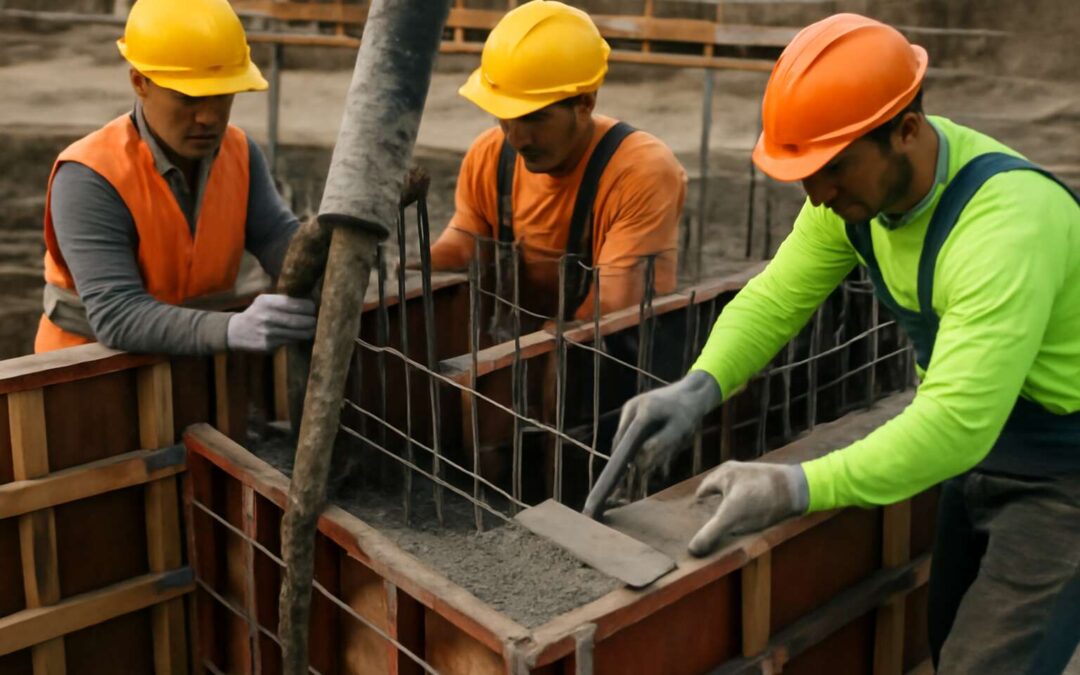
At its core, pouring concrete walls is a process that transforms a simple mixture into a resilient barrier. The journey begins with setting up formwork—those temporary molds that shape the wall and hold the concrete in place. Once everything is aligned and secure, the concrete is poured in manageable sections, ensuring no air pockets or weaknesses develop. The key to a successful pour involves continuous vibration to settle the mixture and avoid pesky voids that could compromise the wall’s integrity.
- Preparation of site and formwork
- Mixing and pouring concrete
- Vibration and curing process
This meticulous process ensures that the final product not only stands tall but endures the harsh South African climate. Understanding how are concrete walls poured provides insight into the craftsmanship behind these durable structures—proof that even walls have a story of precision and perseverance behind their sturdy façade.
Types of Concrete Walls – Structural, retaining, and boundary walls
Understanding the basics of concrete wall construction reveals the diversity of methods used across South Africa. Each type of concrete wall serves a specific purpose and requires a tailored pouring process. Structural walls, for instance, are designed to bear loads and must be poured with utmost precision to ensure stability and safety. Retaining walls, on the other hand, prevent soil erosion and demand careful consideration of earth pressure during the pour. Boundary walls provide security and privacy, often combining aesthetic appeal with durability.
When considering how are concrete walls poured, it’s essential to recognize the different construction techniques involved. The process varies based on the wall type but typically includes setting up formwork, mixing concrete, and implementing vibration and curing methods. For example, retaining walls often require reinforced concrete poured in sections, with special attention to reinforcement placement. Structural walls might be poured in a single, continuous operation to ensure uniform strength, while boundary walls can be constructed in modular segments for easier installation.
- Structural walls
- Retaining walls
- Boundary walls
Each type demands a specific approach to ensure the final product withstands South Africa’s climate and ground conditions. Understanding how are concrete walls poured is the key to appreciating the craftsmanship behind these resilient structures, built to last for decades to come.
Importance of Proper Pouring Techniques – Ensuring durability and structural integrity
Behind every resilient South African structure lies a meticulous process—one that transforms raw materials into enduring walls. The way concrete walls are poured is an art, rooted in precision and deep understanding. Proper pouring techniques are vital; they serve as the foundation for ensuring durability and structural integrity against the country’s unpredictable climate and ground conditions.
When considering how are concrete walls poured, attention to detail during formwork setup and concrete placement can make all the difference. Vibration methods, for example, help eliminate air pockets, fostering a solid, cohesive mass. Additionally, careful curing processes preserve moisture and strength, allowing the concrete to reach its full potential. This nuanced craftsmanship guarantees that each wall not only stands tall but also endures the test of time and nature’s elements.
Planning and Preparation for Pouring Concrete Walls
Site Preparation – Clearing and leveling the construction site
In the realm of construction, the question of how are concrete walls poured is as vital as the very foundation of a mythic fortress. Before the first splash of wet concrete, meticulous planning and preparation breathe life into the process, transforming raw materials into steadfast barriers. The journey begins with site preparation—where the land is cleared of debris, roots, and obstructions, revealing a level canvas awaiting creation’s touch. Every corner and contour is carefully surveyed to ensure the wall’s integrity and longevity.
Once the terrain is primed, the next phase involves setting up formwork—temporary molds that will shape the concrete and hold it in place until it hardens. To guarantee durability, reinforcement bars are placed with precision, weaving a hidden lattice of strength within the wall. Understanding how are concrete walls poured requires attention to details that might seem mundane but are essential to forging structures that stand resilient against time and nature’s whims.
Design and Planning – Blueprints, dimensions, and reinforcement details
In the intricate dance of construction, understanding how are concrete walls poured is fundamental to achieving structures that endure the test of time. Before a single drop of concrete is cast, meticulous planning and preparation are paramount; these steps transform a barren plot into a canvas of possibility. The blueprint serves as the architect’s vision—detailing dimensions, reinforcement locations, and the precise contours that define the wall’s purpose. It’s a symphony of technical precision and creative foresight, ensuring every element aligns perfectly.
Design and planning involve more than just drawings; they’re the backbone of a successful pour. Clear specifications on reinforcement bars, joint placements, and wall thicknesses are carefully integrated into the blueprint. This detailed groundwork guarantees that when the pouring begins, it flows seamlessly—minimizing delays and potential flaws. After all, knowing how are concrete walls poured isn’t solely about the pouring process itself, but about crafting an enduring structure through thoughtful, calculated preparation.
Material Selection – Choosing the right concrete mix and reinforcements
In the intricate process of constructing resilient structures, understanding how are concrete walls poured goes beyond mere technique; it’s a reflection of meticulous craftsmanship. The foundation for a successful pour begins with the selection of the right materials—each choice influencing the longevity and strength of the final wall. Material selection isn’t just about choosing concrete; it’s about understanding the specific needs of the project, environmental conditions, and load requirements.
For optimal results, the concrete mix must be tailored to ensure durability and ease of workability. Typically, a well-balanced blend of cement, aggregates, water, and admixtures is used. Reinforcements, such as steel bars or mesh, are incorporated to resist tension and prevent cracking. Sometimes, the reinforcement specifications are detailed through a numbered list, such as:
- Determine the load-bearing requirements.
- Choose appropriate reinforcement bars based on structural calculations.
- Ensure compatibility between the concrete mix and reinforcement to prevent corrosion.
By paying close attention to these material choices and reinforcement details, the process of how are concrete walls poured transforms from a routine task into an art form—resulting in walls that stand the test of time and the unpredictable elements of South Africa’s diverse climate.
Setting Up Forms for Concrete Walls
Formwork Design – Materials and structure of formwork panels
When it comes to pouring concrete walls, setting up the right formwork is a crucial step that often goes unnoticed. Proper formwork ensures that the concrete retains its shape and achieves the desired structural integrity. In South Africa, many construction projects rely on durable formwork panels made from materials like timber, steel, or plastic—each chosen based on the project’s scope and budget.
The structure of these formwork panels must be robust enough to withstand the pressure of wet concrete. Typically, they are designed with reinforcement and bracing to prevent bulging or shifting during pouring. The design process involves careful planning—taking into account the wall dimensions, load-bearing requirements, and surface finish desired. This is where understanding how are concrete walls poured becomes essential, as the formwork acts as the mold that shapes the final product.
To streamline the pouring process, some contractors prefer to use modular formwork systems, which can be quickly assembled and disassembled, saving time and reducing labour costs. Whether using traditional timber panels or modern steel forms, ensuring proper alignment and secure fastening is paramount for a successful pour. After all, a well-designed formwork setup is the foundation for a durable and flawless concrete wall that stands the test of time!
Formwork Installation – Aligning, securing, and waterproofing forms
Setting up forms for concrete walls is an intricate dance of precision and patience. In South Africa’s bustling construction sites, ensuring that the formwork installation is flawless can significantly influence the final outcome of the wall. Proper alignment of the forms guarantees that the wall’s dimensions stay true to the design, preventing costly adjustments later. Secure fastening, whether with steel ties or clamps, holds the formwork firmly in place against the pressure of wet concrete, minimizing bulges or shifts during pouring.
Waterproofing the forms is equally vital—this prevents leaks that could weaken the concrete or damage the surrounding structure. A well-waterproofed form ensures a cleaner surface finish and reduces the risk of water seeping into joints or cracks. When forms are correctly aligned, secured, and waterproofed, the process of how are concrete walls poured becomes smoother, resulting in a sturdy and aesthetically pleasing boundary or structural wall that stands the test of time.
Reinforcement Placement – Positioning rebar and mesh within the forms
In the heart of South Africa’s vibrant construction landscape, understanding how are concrete walls poured is key to crafting structures that stand the test of time. Once the formwork is securely in place, the next crucial step involves meticulous reinforcement placement. This process ensures that the walls can withstand the forces they will face, whether from the weight of the earth or environmental stresses. Reinforcement, typically rebar and wire mesh, is carefully positioned within the forms to provide strength and flexibility.
Proper placement of reinforcement is more than just inserting steel bars; it’s about creating a lattice of durability. Using an unordered list helps clarify the essential steps:
- Positioning vertical rebar according to design specifications
- Securing horizontal mesh to prevent shifting during pouring
- Ensuring reinforcement is kept at the correct concrete cover for longevity
When reinforcement is thoughtfully arranged, pouring the concrete becomes a smoother process. It reduces the risk of weak spots or cracks forming later, which is vital for the integrity of boundary or retaining walls. The way concrete walls are poured is a ballet of precision—each step carefully executed to blend strength with aesthetic appeal, ensuring that every wall embodies resilience and purpose.
Pouring Concrete for Walls
Concrete Mixing – Specifications for mixing concrete on-site or ordering pre-mixed concrete
Understanding how are concrete walls poured can make the difference between a structure that endures for decades and one that cracks under pressure. The process begins with meticulous mixing of concrete—either on-site or through pre-mixed options—tailored to meet specific strength and durability requirements. Achieving the perfect blend requires precision: too wet, and it’s prone to shrinkage; too dry, and it won’t flow smoothly into the formwork. Once the mix is ready, it’s poured in a controlled manner, ensuring each layer settles evenly and avoids air pockets that could compromise integrity.
In this critical phase, vibration plays a pivotal role. It compacts the concrete, removing trapped air and ensuring optimal adhesion with reinforcement. For larger walls, multiple pour points are often used, with careful attention to prevent cold joints—weak points that could threaten structural stability. The consistency of the pour, combined with expert vibration, seals the wall’s fate—whether it stands resilient through South Africa’s unpredictable climate or falters prematurely. This is how are concrete walls poured truly comes alive, transforming raw materials into formidable barriers that define our landscape.
Pouring Techniques – Pouring in sections, avoiding air pockets, and ensuring uniformity
Pouring concrete walls isn’t just a matter of dumping and hoping for the best. It requires precision, patience, and a keen eye for detail. When considering how are concrete walls poured, understanding the technique of pouring in sections is vital. This method ensures the concrete remains workable while reducing the risk of cold joints—weak points that can jeopardize the wall’s integrity. Controlled, sequential pours allow each layer to settle uniformly, creating a seamless, durable barrier.
To prevent air pockets and ensure uniform strength, experts often use vibration during the pour. This process consolidates the concrete, removing trapped air and boosting adhesion with reinforcement. For larger walls, multiple pour points are strategically placed, with careful attention to the timing of each section. A well-executed pour not only enhances the wall’s load-bearing capacity but also extends its lifespan, especially in South Africa’s unpredictable climate.
- Pour in manageable sections to maintain control over the setting process
- Use proper vibration techniques to eliminate air pockets
- Ensure each layer is level and properly bonded to the previous one
Mastering how are concrete walls poured involves balancing technical skill with practical know-how. When done correctly, it transforms raw materials into resilient structures that stand the test of time and weather. Proper pouring techniques are the backbone of a durable, long-lasting wall—an investment in stability that pays off for decades to come.
Vibration and Compaction – Using vibrators to eliminate voids and improve surface finish
When contemplating how are concrete walls poured, the role of vibration and compaction emerges as the unseen hero in transforming raw mixture into a resilient fortress. The process of vibratory consolidation is akin to a maestro conducting a symphony—each oscillation delicately removing air pockets and harmonizing the surface finish. Using vibrators during the pour ensures that every crevice and void is eliminated, resulting in a surface that’s not only aesthetically pleasing but structurally sound.
Proper vibration techniques involve placing vibrators at strategic points, especially in larger sections, to guarantee uniformity. The continuous motion of the tool helps the concrete settle seamlessly into the formwork, bonding perfectly with reinforcement bars and previous layers. As the concrete flows and settles, it’s crucial to monitor the process carefully, maintaining a rhythm that prevents segregation and ensures an even density throughout the wall’s thickness.
To further enhance the pouring process, many experts employ an ordered approach, such as:
- Positioning vibrators at the base of each section.
- Moving the vibrator slowly upward to avoid creating voids.
- Repeating the process at intervals until the entire section is thoroughly vibrated.
This meticulous attention to vibration and compaction not only guarantees the elimination of voids but also significantly improves the surface finish of the concrete wall. When expertly executed, the combination of vibration and thoughtful pour sequencing ensures a durable, long-lasting structure capable of withstanding South Africa’s unpredictable weather patterns and the test of time. After all, mastering how are concrete walls poured is an art—one that bridges craftsmanship with scientific precision to forge enduring walls that stand tall for generations.
Finishing the Concrete Walls
Initial Setting and Screeding – Leveling the surface immediately after pour
Once the concrete has been poured into the carefully prepared formwork, the process of finishing the concrete walls begins—a stage that can determine the longevity and aesthetic quality of the entire structure. The initial setting phase is critical; it’s when the concrete begins to solidify, gaining enough strength to withstand the subsequent finishing steps. During this delicate window, workers meticulously monitor the surface, ensuring proper hydration and preventing early cracks or surface blemishes.
Immediately after pouring, screeding emerges as the pivotal technique to level the surface—an act that requires precision and swift execution. By using a straightedge or a screeding board, the excess concrete is swiftly removed, creating a flat, uniform plane. This step not only influences the visual appeal but also impacts the structural integrity of the wall. Proper screeding ensures subsequent layers or finishes adhere correctly, avoiding costly repairs down the line.
In the context of how are concrete walls poured, this stage exemplifies the blend of art and science—balancing timing, technique, and finesse. An understanding of these nuances unlocks the secret to durable, smooth, and visually striking concrete walls that withstand the test of time and elements.
Surface Finishing – Texturing, smoothing, or applying surface treatments
Once the concrete has been poured and the initial setting has begun, the journey toward a flawless wall continues with surface finishing—an art that transforms raw solidity into visual poetry. In South Africa’s vibrant construction landscape, understanding how are concrete walls poured is only part of the story; the real magic lies in how the surface is refined. Surface treatments like texturing or smoothing are vital in elevating the aesthetic and functional qualities of the wall, whether for interior elegance or exterior resilience.
During this phase, skilled artisans meticulously evaluate the concrete’s texture, using tools and techniques to achieve the desired finish. For a sleek, polished look, troweling and floating are employed to smooth out imperfections, revealing a surface that gleams with understated strength. Conversely, a textured finish—created through methods like brooming or stamping—adds character and grip, especially in outdoor or high-traffic contexts.
Surface treatments are more than cosmetic; they bolster the longevity of the structure by sealing pores and preventing surface deterioration. For instance, applying sealers or surface coatings not only enhances visual appeal but also guards against the harsh elements, a necessity in South Africa’s diverse climate. Ultimately, the finishing stage is where the essence of craftsmanship manifests, ensuring every concrete wall stands as a testament to durability and artistry.
Curing Process – Maintaining moisture and temperature for optimal curing
Once the concrete has been poured and the initial setting begins, the curing process takes center stage—an often overlooked but crucial phase in how are concrete walls poured. Proper curing ensures the wall develops maximum strength and durability, making it resistant to cracking and surface deterioration. In South Africa’s diverse climate, maintaining optimal moisture and temperature during curing is vital to prevent premature drying or thermal shock.
To achieve this, workers typically keep the concrete moist through methods like water spraying, covering with wet burlap, or applying curing compounds that form a protective film. This stage often involves a careful balance; too little moisture or exposure to extreme heat can compromise the integrity of the concrete. A simple rule of thumb for proper curing is to keep the concrete moist for at least seven days—sometimes longer for thicker walls. This patience pays off in the long run, transforming a mere poured wall into a resilient, long-lasting structure.
In some cases, a curing schedule might look like this:
- Initial curing with water spray or wet coverings within the first 24 hours.
- Maintaining moisture levels consistently over the next 3-7 days, especially in South Africa’s hot regions.
- Monitoring temperature to prevent rapid cooling or overheating, which could cause cracks.
By understanding how are concrete walls poured and ensuring meticulous curing, builders can guarantee a stronger, more durable finish—cementing the reputation of the project’s craftsmanship and longevity.
Post-Pour Inspection and Removal of Formwork
Curing Time and Conditions – Ideal conditions for curing concrete
After the final pour, the journey of transforming fresh concrete into a resilient wall continues with meticulous post-pour inspection. This critical phase ensures that the concrete has set correctly, free from defects that could compromise its strength or durability. Skilled inspectors look for signs of improper curing, cracking, or surface blemishes, all of which can be costly if overlooked. Proper inspection paves the way for the next steps, safeguarding the structural integrity of the wall.
Following inspection, the removal of formwork marks a significant milestone. This process must be timed precisely—premature removal can lead to deformation, while delayed removal might cause unnecessary strain on the concrete. Typically, formwork stays in place until the concrete reaches sufficient strength, which depends on ambient temperature and mix specifications. During this period, ensuring optimal curing conditions is vital. Ideal conditions for curing concrete involve maintaining moisture and temperature, which significantly influence the concrete’s final strength and longevity. Key considerations include avoiding extreme heat or cold, which can hinder proper curing, and maintaining a consistent moisture level by regularly misting or covering the walls.
In fact, the curing process is so crucial that many professionals use specific techniques to guarantee success. These include:
- Applying curing compounds that form a moisture-retaining film
- Covering the surface with wet burlap or plastic sheeting
- Implementing controlled moisture and temperature during the early curing stages
By understanding how are concrete walls poured and ensuring thorough curing, contractors can achieve a lasting, robust structure built to withstand South Africa’s diverse climate challenges. The patience invested during this phase truly pays off when the walls stand tall and resilient for decades to come.
Removing Formwork – Timing and techniques to avoid damaging the walls
Once the last pour of concrete has been completed, the focus shifts from pouring to precision inspection. Post-pour inspection is a vital phase that ensures the integrity of the newly formed concrete wall. Skilled inspectors scrutinize every surface, searching for signs of improper curing, surface blemishes, or tiny cracks that could compromise the wall’s durability. These early observations are crucial—they serve as the foundation for any necessary remedial work, preventing costly repairs down the line.
Timing is everything when it comes to removing formwork. This delicate process must be executed with patience and finesse, as premature removal risks deforming the structure, while delays can introduce unnecessary stress on the wall. Typically, formwork removal occurs once the concrete has gained sufficient strength—usually after reaching a specific percentage of its estimated load-bearing capacity, which is influenced by ambient temperature and the concrete mix used.
To avoid damaging the walls during removal, a systematic approach is employed. Techniques such as gently loosening form panels and gradually taking them apart help preserve the surface finish. For example, using controlled pressure and ensuring the concrete has reached the appropriate setting time—often guided by the concrete’s curing stage—prevents surface spalling or cracks. An ordered removal process might look like this:
- Check the concrete’s strength through maturity testing or surface hardness tests.
- Carefully loosen the formwork supports, starting from the top and working downward.
- Use soft mallets or pneumatic tools to gently dislodge panels, avoiding impact that could crack the concrete.
- Inspect the walls immediately after removal, ensuring no surface defects or deformities are present.
In South Africa’s diverse climate, this process demands particular attention, as temperature fluctuations can affect the curing and setting times. When executed with care, the removal of formwork becomes a celebration of craftsmanship—revealing a resilient, smooth wall ready for the next chapter of construction. Truly, understanding how are concrete walls poured and subsequently demolded is the secret to achieving structures that endure the test of time and nature’s whims.
Inspection for Defects – Checking for cracks, honeycombing, or uneven surfaces
Once the last pour of concrete is complete, the real scrutiny begins. Post-pour inspection is a critical phase where every surface is examined meticulously to detect potential flaws that could compromise the wall’s longevity. Cracks, honeycombing, or uneven surfaces are common issues that, if unnoticed, might lead to costly repairs later. Skilled inspectors use a keen eye and specialized tools to identify these defects early, ensuring the concrete wall’s structural integrity remains intact.
Removing formwork is a delicate dance—timed perfectly to avoid damaging the newly poured wall. Proper timing involves checking the concrete’s strength through maturity testing or surface hardness tests. Once the concrete has reached the appropriate setting stage, formwork removal can proceed, starting from the top and working downward. During this process, inspecting for surface defects immediately after removal is essential to catch any imperfections early. The process should be slow, gentle, and systematic, employing soft mallets or pneumatic tools to dislodge form panels without causing harm.
In South Africa’s diverse climate, fluctuations in temperature can influence curing times, making the inspection for cracks or honeycombing even more vital. An ordered inspection might involve a simple list:
- Check the concrete’s strength through non-destructive testing methods.
- Inspect for surface irregularities or cracks post-removal.
- Ensure no honeycombing or voids are present.
- Verify the surface finish for smoothness and uniformity.
Understanding how are concrete walls poured, combined with diligent post-pour and formwork inspection, is the secret to resilient, durable structures. When each step is executed with precision, the result is a formidable wall that withstands both time and nature’s unpredictable temperament. The craftsmanship behind this process is what elevates a simple poured wall into a lasting monument of engineering mastery.
Common Challenges and Solutions in Pouring Concrete Walls
Managing Concrete Flow – Addressing issues like segregation or blockages
Managing concrete flow during the pouring process is an art that can make or break the integrity of your concrete walls. When improperly handled, issues like segregation—where the heavier aggregates sink to the bottom—or blockages can emerge, threatening the overall structural soundness. To mitigate these problems, careful planning and execution are paramount.
One common solution involves controlling the pour rate, ensuring the concrete isn’t applied too quickly, which can cause separation. Additionally, employing strategic vibrators during pouring helps eliminate air pockets and promotes uniform compaction. Sometimes, adjusting the consistency of the concrete mix itself—by tweaking water-cement ratios or incorporating admixtures—can prevent blockages and improve flow.
Understanding how are concrete walls poured with precision requires attention to detail at every stage. Proper flow management not only enhances surface finish but also extends the lifespan of the wall, making the investment worthwhile.
Controlling Temperature – Preventing cracks due to thermal stresses
In the grand theatre of construction, controlling temperature during the pouring of concrete walls is akin to conducting an orchestra—miss a beat, and cracks could be the unwelcome encore. The crux of the matter lies in preventing thermal stresses, which are the sneaky culprits behind structural fissures that threaten to turn your masterpiece into a costly repair job. When concrete is poured in South Africa’s sizzling heat or chilly mornings, temperature management becomes even more critical.
One effective method involves using insulating blankets or applying chilled water to keep the concrete within optimal temperature ranges. Additionally, the strategic use of admixtures can slow down or accelerate curing, ensuring the concrete doesn’t undergo uneven thermal expansion or contraction. For large-scale projects, incorporating cooling pipes within the formwork can be a game-changer, allowing precise control over internal temperatures. These techniques help maintain the integrity of your concrete walls, no matter the South African climate’s whims.
Understanding how are concrete walls poured with temperature control in mind isn’t just about avoiding cracks—it’s about safeguarding the longevity of your structure. After all, a crack-free wall isn’t just visually appealing; it’s a testament to meticulous planning and execution. Achieving this balance often involves a combination of innovative solutions and vigilant monitoring, transforming what could be a chaotic process into a symphony of precision.
Handling Schedule Delays – Strategies for unforeseen delays and weather impacts
In the unpredictable climate of South Africa, handling schedule delays during the pouring of concrete walls reveals the true resilience of construction ingenuity. When weather unexpectedly shifts—from scorching sun to sudden rain or chilly mornings—the process can grind to a halt, threatening project timelines and budgets. The question of how are concrete walls poured under such circumstances is often a test of adaptability and foresight.
Unforeseen delays demand strategies rooted in flexibility. Employing rapid-setting concrete mixes can buy valuable time, while weatherproofing materials such as tarps or temporary enclosures shield the worksite from the elements. In some cases, adjusting the pour schedule—either starting earlier or later—helps align the process with more predictable weather windows. For larger projects, integrating thermal blankets or heated enclosures ensures the concrete maintains optimal curing conditions despite external temperature swings.
When weather impacts become unavoidable, proactive communication and contingency planning become vital. A well-structured schedule, combined with real-time monitoring of weather forecasts, prepares teams to pivot swiftly. This blend of resilience and innovation reveals how truly complex the answer to how are concrete walls poured can be—especially in South Africa’s diverse climate—transforming potential setbacks into opportunities for meticulous craftsmanship.
