
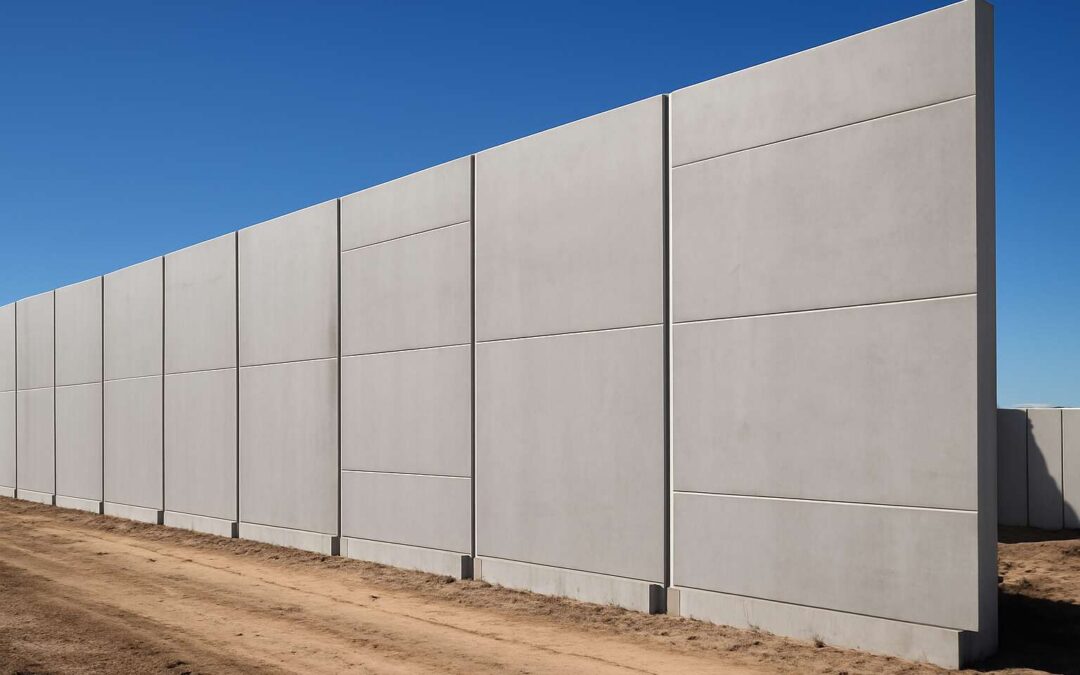
Comprehensive guide to precast walls
Understanding precast walls
A 40% faster on-site schedule isn’t hype—it’s what SA projects report when using precast walls. These factory-made panels arrive ready to install, cutting weather delays and simplifying services integration. With factory curing and modular design, a predictable path from planning to handover emerges. The system delivers strength, fire resistance, and sound isolation in a single, durable package!
Here are the standout advantages:
- Controlled quality and fewer on-site mistakes
- Fast, crane-ready panels that slot into place
- Reduced waste and cleaner, safer sites
In the South African market, local codes demand reliability. Panels are engineered to meet regional wind loads, fire ratings, and insulation needs, with access to skilled installers and local manufacturing. The result is long-term value for schools, housing, and commercial spaces.
Advantages and limitations of precast walls
Across South Africa’s building boom, precast walls have moved from novelty to dependable backbone; some developers report a 35% drop in weather-related delays once the panels roll onto site. The beauty of factory-made units lies in precision and speed: panels arrive ready to slot into place, with flawless edges, consistent insulation, and a design language that respects both form and function.
A comprehensive guide reveals both advantages and limitations.
- Rapid on-site assembly reduces crane time and weather exposure
- Tight factory QA delivers uniform strength, fire resistance, and acoustic performance
- Upfront design coordination and transport logistics demand meticulous planning
On the downside, long lead times to secure fabricators and occasional rigidity in fitting complex curves can stretch schedules; specialized crane access and transport elevate costs.
For South Africa, local engineering, wind load calibration, and skilled installation teams keep precast walls aligned with codes and local expectations.
Materials manufacturing and compliance
Factory precision isn’t a flashy slogan—it’s the quiet backbone of durable precast walls. In South Africa’s building boom, weather delays dropped by up to 35% when panels arrive ready to slot in.
Materials manufacturing for precast walls relies on consistent cementitious mixes, well-graded aggregates, corrosion-protected reinforcement, and controlled curing. Factories implement rigorous QA, batch tracing, and non-destructive testing to guarantee strength, fire resistance, and acoustics, all aligned with SANS standards and local authority compliance.
Key checks ensure traceability and safety across the supply chain:
- Material traceability from quarry to panel
- Integrated fire and acoustic performance testing
- Documentation for wind-load calibration and compliance with SANS/local codes
In SA, the shift to precast walls is a study of logistics and trust—manufacturers collaborate with installers and inspectors to keep pace with codes and expectations, while transport and crane access influence both cost and schedule.
Installation and on-site execution
That moment on a SA construction site when precast walls arrive ready to slot in is a quiet revolution for tempo. Weather delays shrink, and joints sing in harmony thanks to factory tolerances that travel well. The on-site ballet hinges on crane coordination, transport planning, and a disciplined crew—each move measured so the fit looks effortless as the first beam settles.
- Delivery sequencing and crane scheduling to prevent bottlenecks
- On-site alignment, plumb checks, and jointing expectations
- Quality control during curing and navigating suitable weather windows
From lift planning to final touch-ups, the on-site narrative hinges on collaboration between factory precision and field craftsmanship.
Applications, case studies, and maintenance
Across South Africa’s landscapes, precast walls cut weather downtime by as much as 50%, turning rain-soaked weeks into predictable milestones. This shift helps builders finish ahead of the calendar, with a cadence that cities and farms alike can feel.
From compact urban blocks to resilient rural campuses, precast walls adapt to tight spaces and demanding climates. They arrive finished, weatherproof, and ready to slot into place, shaping spaces with a calm efficiency.
- Residential developments and social housing
- Educational and healthcare facilities
- Industrial facilities and retail façades
Case studies across South African coastal towns and inland developments illustrate performance under wind, heat, and heavy daily use. Maintenance considerations focus on protective coatings, joint sealing, and panel inspections to sustain long-term service life.
