
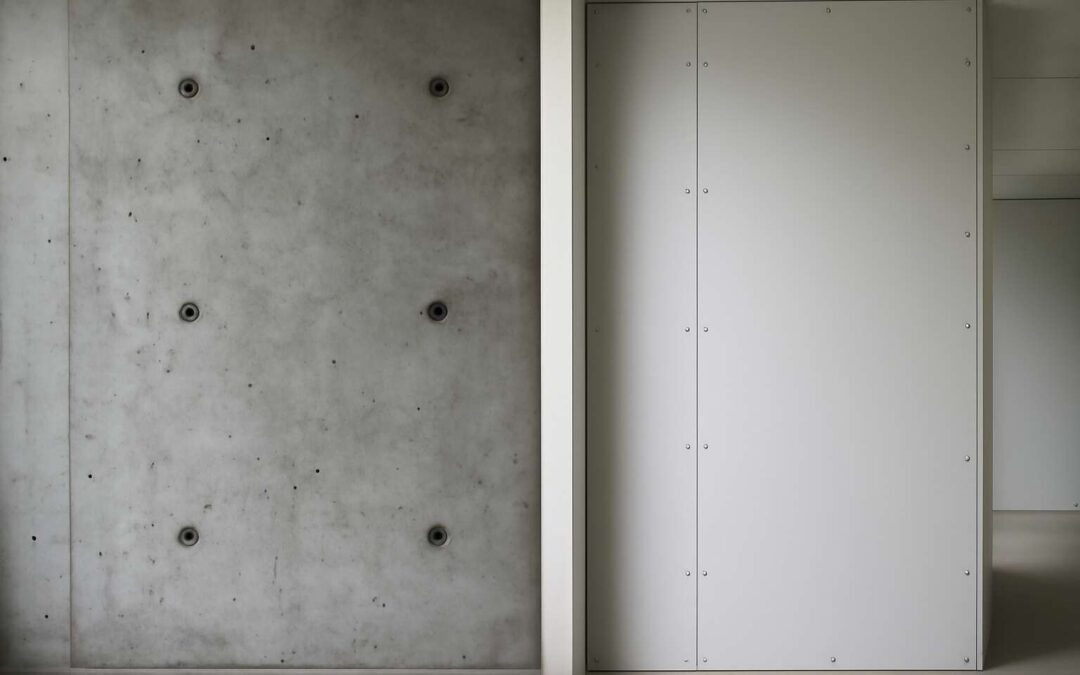
Overview of Wall Materials
Types of Interior and Exterior Wall Materials – Description of various wall options
Within the grand tapestry of architectural choices, the spectrum of wall materials unfolds like a mythic saga—each with its own legend and lore. When contemplating concrete walls vs drywall, one must understand the unique qualities that set them apart in both form and function. Concrete walls, forged from raw strength and resilience, evoke images of ancient fortresses standing unwavering through centuries. They serve as a testament to durability, especially in exterior applications where South Africa’s diverse climate demands steadfastness.
On the other hand, drywall, often seen as the delicate yet versatile hero of modern interiors, offers a lighter, more malleable alternative. It beckons with ease of installation and a smooth surface ready for decorative enchantment. For interior spaces that crave flexibility and a swift transformation, drywall remains the preferred choice. Sometimes, the decision hinges on whether one seeks the unyielding power of concrete walls vs drywall’s subtle adaptability—each material weaving its own narrative into the fabric of a building’s story.
What Is Concrete Wall Construction? – Basic overview of concrete walls
Concrete wall construction stands as a testament to enduring strength and timeless resilience. Unlike the ephemeral nature of many modern materials, concrete walls are forged from a carefully mixed blend of cement, water, and aggregates, resulting in a formidable barrier against the elements. These walls are often cast in situ, allowing for seamless integration into the building’s structural framework, or prefabricated for quicker assembly. Their robustness makes them ideal for both exterior and interior applications where durability is paramount.
In South Africa’s diverse climate, concrete walls provide a natural shield against humidity, temperature fluctuations, and even potential pests. For those seeking longevity, concrete walls vs drywall offer a clear advantage in resisting wear and tear, ensuring that your investment remains steadfast over decades. Their inherent fire resistance and soundproofing qualities further elevate their status as the stalwart choice in construction. When weighing concrete walls vs drywall, one must recognize that these walls are not merely functional but are also a symbol of architectural strength and permanence.
What Is Drywall Construction? – Basic overview of drywall walls
Beyond the raw strength of concrete walls, the allure of drywall construction lies in its versatility and ease of installation. Drywall, often referred to as plasterboard or gypsum board, is a lightweight material composed of a gypsum core encased in paper. Its rapid installation process and smooth finish make it a popular choice in both residential and commercial settings across South Africa.
Unlike concrete walls vs drywall, which often sparks debate over durability, drywall offers a flexible canvas for interior design. Its ability to be easily cut, shaped, and painted allows for swift customization and renovation. For those seeking a sleek, modern aesthetic without the permanence of concrete, drywall remains an elegant solution.
In terms of construction process, drywall involves attaching large panels to a framework of metal or wooden studs, creating partitions that are both functional and aesthetically pleasing. This method’s speed and adaptability are unmatched—an essential advantage when time and budget are critical considerations. Yet, while drywall excels in ease and aesthetics, it lacks the enduring resilience characteristic of concrete walls vs drywall, especially in environments demanding long-term structural integrity.
Durability and Strength Comparison
Strength and Impact Resistance – Comparing material strength
When it comes to durability and strength, concrete walls vs drywall present a fascinating contrast—each with its own unique armor. Concrete walls boast an almost fortress-like resilience, able to withstand the relentless forces of nature and human impact alike. Their solid mass imparts an impressive impact resistance, making them ideal for areas prone to accidental bumps or even security concerns. In contrast, drywall, while easier to install and modify, offers limited strength and impact resistance. It’s prone to cracks and dents, which can compromise its integrity over time.
For those seeking long-term robustness, concrete walls certainly hold the upper hand. They are built to endure decades of wear and tear, often requiring minimal maintenance. Conversely, drywall’s lightness and adaptability come at the expense of durability, often necessitating repairs after minor impacts. When comparing concrete walls vs drywall in terms of strength, it’s clear that concrete’s formidable construction provides a sturdy shield against everyday challenges, making it the preferred choice for more resilient structures.
Durability in Different Climates – Weather resistance of concrete vs drywall
Weathering the storm can make or break your walls, quite literally. Concrete walls vs drywall—when it comes to durability in South Africa’s unpredictable climate, the difference is stark. Concrete, with its formidable mass and inherent moisture resistance, stands tall against rain, extreme heat, and even seismic tremors. It’s almost like giving your building a suit of armor that laughs in the face of nature’s tantrums.
Drywall, on the other hand, is more of a delicate dandelion—light, versatile, but not built for the long haul in harsh conditions. It’s susceptible to moisture damage, swelling, and cracks when faced with South Africa’s sunny scorchers or humid coastal air. To put it simply: if durability in varying climates is your priority, concrete walls vs drywall clearly tips the scales in favor of concrete. For those who want their walls to withstand the test of time and weather, concrete is the resilient champion.
Damage Repair and Maintenance – How each material responds to damage
When it comes to handling the unexpected—be it a sudden storm or the relentless sun—how well your walls hold up can make all the difference. Concrete walls vs drywall — the battle for durability and strength is stark and revealing. Concrete, with its solid mass and intrinsic moisture resistance, tends to shrug off impacts and minor damage much better than drywall. It’s the difference between a fortress that withstands life’s blows and a fragile barrier that cracks under pressure.
Damage response and repair are crucial factors to consider. Concrete walls often require minimal maintenance; small cracks can be sealed with specialized patches, and the structure remains resilient through time. Drywall, however, is more delicate—susceptible to dents, tears, and water damage. Repairing drywall usually involves patching, sanding, and repainting, which can be time-consuming and costly if damage is frequent or severe. For properties in South Africa’s variable climate, where humidity and temperature swings are common, this difference becomes even more pronounced.
- Concrete walls resist impacts better, often needing only simple patching for superficial damage.
- Drywall can suffer from water stains, dents, and cracks that demand more frequent repairs.
- Long-term maintenance of concrete walls tends to be less intensive, saving both effort and expense.
Considering how each material responds to damage, concrete walls vs drywall clearly favor the former for lasting strength. When durability and ease of maintenance matter most, concrete emerges as the resilient choice—standing strong against South Africa’s diverse climate and everyday wear and tear. It’s that unwavering durability that transforms a building from a fragile structure into a true sanctuary for those who call it home.
Insulation and Energy Efficiency
Thermal Insulation Properties – Impact on energy costs
In the realm of interior construction, thermal insulation properties often determine the true character of a space—its warmth, comfort, and energy efficiency. When comparing concrete walls vs drywall, the difference in their ability to regulate temperature is striking. Concrete walls naturally possess a high thermal mass, which means they absorb and store heat during the day and slowly release it at night. This trait can significantly reduce energy costs, especially in climates with extreme temperature fluctuations. Drywall, on the other hand, offers minimal thermal resistance unless supplemented with additional insulation materials, making it less effective in maintaining consistent indoor temperatures.
For those seeking a sustainable solution that minimizes energy expenditure, the choice between concrete walls vs drywall can be pivotal. Incorporating advanced insulation layers into drywall structures can bridge the gap, but the inherent thermal properties of concrete often provide a more resilient barrier against the elements. Ultimately, an understanding of these thermal insulation differences can transform the way we approach building design, blending beauty with energy-conscious practicality in every structure we create.
Soundproofing Capabilities – Noise reduction features of each material
In the shadowy realm of interior construction, the battle between concrete walls vs drywall extends beyond mere aesthetics. When it comes to insulation and energy efficiency, their soundproofing capabilities reveal stark contrasts that can shape the very soul of a space. Concrete, with its dense, impenetrable mass, acts as a fortress against unwanted noise—transforming a chaotic world into a sanctuary of silence.
Drywall, though lighter and more malleable, often requires supplemental soundproofing layers to reach similar heights of acoustic serenity. Without these additions, it tends to echo with every whisper and footstep, making it less ideal for those seeking tranquility. For environments demanding ultimate sound isolation, concrete walls naturally provide a barrier that muffles disturbances, creating an atmosphere of calm amid chaos.
- Mass and density of concrete absorb sound waves more effectively.
- Additional insulation in drywall can enhance its soundproofing qualities but often at a cost.
As the night deepens, the true strength of each material emerges—concrete walls stand as silent guardians, their formidable presence casting an acoustic shield, whereas drywall, though versatile, often relies on intricate layers to achieve comparable seclusion. The choice between concrete walls vs drywall, then, becomes a decision rooted in the pursuit of peace or flexibility—each with its own dark allure.
Energy Savings and Cost Implications – Long-term energy efficiency benefits
In the dance of energy efficiency, the choice between concrete walls vs drywall can tip the scales toward substantial long-term savings. Concrete, with its formidable thermal mass, acts as a silent sentinel, absorbing and releasing heat gradually. This natural regulation reduces reliance on artificial heating and cooling, translating into lower energy bills over time.
Drywall, while lighter and more malleable, often demands additional insulation layers—such as mineral wool or foam—to rival the thermal stability of concrete. These supplemental layers elevate initial costs but can dramatically improve energy retention, creating a cozy sanctuary amidst South Africa’s diverse climate. The price tag on such enhancements varies, but the payoff emerges in reduced energy consumption and a smaller carbon footprint.
- Initial construction costs for concrete walls are higher but offset by their enduring energy savings.
- Drywall’s affordability allows flexibility but often incurs ongoing expenses for insulation upgrades.
Ultimately, when weighing the energy savings and cost implications of concrete walls vs drywall, one must consider the climate and desired comfort. Concrete’s innate insulating prowess provides a fortress of warmth and coolness, while drywall’s adaptability hinges on layered enhancements. Either way, the decision becomes a pursuit of sustainability and serenity in the ever-changing South African landscape.
Cost Analysis
Material and Installation Costs – Initial investment comparison
When weighing the initial investment between concrete walls vs drywall, the financial landscape reveals a tale of two architectural giants. Concrete walls, often regarded as the fortress of durability, typically demand a higher upfront material and installation cost. The raw materials—cement, steel reinforcement, and specialized labor—inflate the initial expense but promise a long-lasting structure that can withstand the relentless march of time. Conversely, drywall presents a more economical gateway, with materials like gypsum and simple installation techniques making it a quick, budget-friendly option for many builders and homeowners.
In terms of material costs, drywall’s affordability is undeniable, especially for interior partitions. Installation costs further tip the scales; drywall can be erected swiftly with minimal labor, often translating into a significantly lower initial investment. However, when considering the entire picture, it’s important to remember that the durability and maintenance costs associated with each material can influence overall expenses. For those seeking a resilient, weather-resistant barrier, the higher initial investment in concrete walls may be justified, particularly in climates where longevity and impact resistance are paramount.
Long-term Maintenance Expenses – Cost over lifespan
When considering the long-term expenses of building materials, the initial savings with drywall can be quickly overshadowed by ongoing costs. Drywall may be cheap upfront, but it’s prone to damage and requires regular repairs, especially in high-traffic or humid areas. In contrast, concrete walls vs drywall show a stark difference in durability and maintenance needs. Concrete walls are inherently resilient, resisting impacts, moisture, and pests, which translates into lower maintenance costs over time. They may cost more initially, but their robustness means fewer repairs and less frequent replacements.
For those prioritizing longevity, concrete walls’ resistance to climate variables and wear-and-tear offers significant financial advantages. They can withstand South Africa’s diverse weather patterns better than drywall, which is susceptible to cracking and deterioration. Over the lifespan of a building, the costs associated with maintaining drywall can accumulate rapidly. By comparison, concrete walls often require only routine inspections and minimal upkeep, making them a smarter investment in the long run.
Cost-Effectiveness for Different Projects – Suitability for residential and commercial uses
Choosing between concrete walls vs drywall isn’t merely a matter of initial cost—it’s a strategic decision that shapes the very soul of a building’s purpose and longevity. For large-scale commercial projects in South Africa, the calculus often favors concrete’s formidable strength and long-term savings. Conversely, residential constructions may lean toward drywall for its ease of installation and affordability. Yet, when assessing cost-effectiveness, one must look beyond the price tag to the true value delivered over the lifespan of the structure.
In terms of suitability, concrete walls provide a resilient foundation for buildings exposed to South Africa’s fluctuating climate, offering exceptional thermal mass and soundproofing. Drywall, while quick and cost-efficient upfront, can become a recurring expense due to repairs and deterioration, especially in humid or high-traffic environments. For projects where durability and minimal upkeep are paramount, concrete walls emerge as the superior choice—an investment that pays dividends in peace of mind and safety.
For those weighing the overall cost analysis, consider this: concrete walls vs drywall—each has its place, but the former’s long-term savings in maintenance and energy efficiency often tip the scales. When evaluating projects, a simple list can illuminate the differences:
- Initial installation costs
- Maintenance expenses over time
- Impact resistance and durability
- Suitability for climate conditions
In the grand tapestry of building materials, the choice between concrete walls vs drywall is woven with considerations of resilience, cost, and life cycle. It’s a decision that echoes through the corridors of commerce and comfort alike, shaping the future of South African architecture with every carefully placed wall.
Design Flexibility and Aesthetics
Customizability and Finishes – Options for surface finishes
When contemplating the artistry of interior design, the debate between concrete walls vs drywall often hinges on the spectrum of design flexibility and aesthetic allure. Concrete walls, with their raw, industrial charm, evoke a sense of permanence and strength, transforming spaces into modern sanctuaries or urban retreats. In contrast, drywall offers a blank canvas—an adaptable surface that welcomes endless possibilities for customization. Its seamless finish can be effortlessly molded into curves or sharp angles, enabling architects and homeowners to craft unique interior landscapes.
Surface finishes for drywall are remarkably diverse, ranging from smooth, painted surfaces to textured, wallpapered walls. For those seeking visual intrigue, options such as decorative plaster or faux finishes can elevate ordinary walls into works of art. Meanwhile, concrete walls can be finished with various textures—stainless steel, exposed aggregate, or polished surfaces—that add depth and character. This versatility in surface finishes allows for an impressive spectrum of aesthetic expressions, making concrete walls vs drywall a truly fascinating choice for any project.
Ultimately, the decision hinges on the desired atmosphere and level of customization—whether one craves the sleek, minimalist allure of concrete or the versatile, easily transformable charm of drywall. Both materials, after all, have their distinct personalities, waiting to bring an architect’s vision to life with elegance and enduring appeal.
Architectural Versatility – Design possibilities with each material
When it comes to architectural versatility, the battle between concrete walls vs drywall is nothing short of a design playground. Concrete walls lend an undeniable sense of strength and permanence—think urban chic or minimalist industrial vibes. They can be finished with a variety of textures, from polished exteriors to exposed aggregate, allowing for striking visual statements. Drywall, on the other hand, is the chameleon of interior design. Its seamless surface invites endless customization, whether painted in bold hues, textured with decorative plaster, or dressed up with wallpaper. The flexibility of drywall makes it a favorite for creating curved walls or adding intricate architectural details that demand finesse.
For architects and homeowners craving ultimate design freedom, drywall often takes the cake. Its ability to be shaped into complex geometries or layered with decorative finishes makes it an ideal choice for dynamic interiors. Conversely, concrete walls provide an aesthetic rooted in durability and impact resistance, perfect for those seeking a modern, industrial appeal. Both materials open up a universe of design possibilities—concrete walls vs drywall—each offering a unique personality that can transform a space from bland to breathtaking.
Integration with Other Materials – Combining walls with other construction elements
When it comes to integrating walls with other construction elements, the choice between concrete walls vs drywall can dramatically influence the aesthetic flow of a space. Concrete walls, with their rugged charm, harmonize beautifully with steel beams, glass panels, and exposed brick—creating a bold, industrial statement. Their robustness makes them perfect for anchoring structural features that demand visual heft and permanence. Drywall, however, is the chameleon that adapts seamlessly to a variety of design schemes. Whether you’re layering it with textured plaster, embedding it with decorative panels, or pairing it with timber accents, drywall’s versatility is unmatched.
For those who desire a cohesive interior, drywall surfaces can be easily painted or finished to complement other materials like wood or tile. Meanwhile, concrete walls offer an aesthetic rooted in strength—an ideal backdrop for minimalist or modern designs. Combining these materials can result in a striking contrast: the raw, industrial feel of concrete against the smooth, customizable surface of drywall. This fusion not only enhances visual interest but also allows architects and homeowners to craft interiors that are both dynamic and durable.
Installation and Construction Time
Ease of Installation – Labor and process complexity
When it comes to installation and construction time, the choice between concrete walls vs drywall can significantly impact your project timeline. Concrete walls tend to require a more intricate process involving formwork, reinforcement, and curing times that can stretch over several days or even weeks. This complexity often demands skilled labor and careful planning, making the process more labor-intensive. In contrast, drywall installation is straightforward and quick, typically completed within a few days, especially for smaller spaces. Its lightweight panels are easy to handle, allowing for faster assembly with less specialized expertise.
For larger projects, the ease of drywall installation becomes a clear advantage.
- Its modular nature means panels can be quickly assembled and finished, reducing labor costs and project duration.
On the other hand, concrete walls, though slower to install, offer unparalleled durability and strength once completed. The decision between concrete walls vs drywall ultimately hinges on your priorities—whether you value rapid construction or long-term resilience and robustness.
Build Speed for Different Projects – Project timeline considerations
In the realm of construction, the pace of progress often hinges on the choice of wall material—an element that quietly dictates the rhythm of project timelines. When weighing concrete walls vs drywall, the difference in build speed becomes strikingly apparent. Concrete walls, with their labor-intensive process involving formwork, reinforcement, and curing, can extend project timelines by several days or even weeks. This meticulous sequence demands skilled labor, patience, and precise coordination, making it less suitable for projects with tight schedules.
Conversely, drywall installation is a marvel of efficiency, especially in smaller to medium-sized spaces. Its lightweight panels can be swiftly assembled, finished, and painted, often within a few days. For large-scale developments, drywall’s modular nature facilitates rapid progress, reducing overall construction time considerably. The inherent speed of drywall installation grants builders a strategic advantage when time is of the essence, while concrete walls excel in long-term durability—highlighting the profound divergence between these two popular wall options.
Ultimately, the decision between concrete walls vs drywall hinges on project scope and timeline constraints. For rapid construction cycles, drywall’s quick build speed offers undeniable appeal. Yet, when resilience and longevity are paramount, the slower but sturdier concrete walls become the logical choice—proof that in construction, speed and strength often walk a delicate, sometimes conflicting, line.
Impact on Construction Schedules – Delays and efficiency
Construction timelines are often dictated by the silent, yet relentless, march of time—especially when choosing between concrete walls vs drywall. The installation process can make or break the rhythm of a project, influencing costs and deadlines in ways that are sometimes underestimated. Concrete walls, with their labor-intensive process involving formwork, reinforcement, and curing, tend to stretch schedules longer than initially anticipated. This meticulous process demands not only skill but also patience, making concrete walls less appealing for projects with tight timelines.
In contrast, drywall installation exemplifies efficiency and adaptability. Its lightweight panels can be rapidly assembled, finished, and painted, often within a matter of days. For large commercial projects or residential developments, drywall’s modular nature accelerates progress significantly. When speed is a priority, drywall’s ease of installation becomes a strategic advantage, allowing construction schedules to stay on track and reducing delays. Yet, this swiftness must be balanced against the long-term durability that concrete walls provide, revealing a fundamental trade-off in construction priorities.
In the realm of project management, understanding the impact of these materials on the overall construction schedule is crucial. Consider the following factors:
- Labor intensity and skill requirements
- Time for curing and setting
- Complexity of installation processes
Ultimately, the choice hinges on whether speed or resilience takes precedence. Concrete walls vs drywall—each holds its own place in the architecture of human ambition, shaping not only structures but also the very rhythm of progress itself. Whether you are racing against the clock or building to last, understanding the intricacies of installation and construction time impact is essential in making an informed decision that aligns with your vision and deadlines.
Environmental Impact and Sustainability
Eco-Friendliness of Concrete Walls – Environmental considerations
When contemplating the environmental footprint of interior and exterior walls, the debate of concrete walls vs drywall often surfaces with fervor. Concrete, celebrated for its longevity and strength, boasts a surprisingly modest carbon footprint when sourced locally and produced with modern eco-friendly techniques. Its thermal mass effectively moderates indoor temperatures, reducing reliance on artificial climate control—an undeniable boon for sustainability-conscious builders.
Drywall, on the other hand, is often lauded for its lightweight nature and ease of installation, but its environmental impact can be more nuanced. The manufacturing process involves significant energy consumption and the use of non-renewable resources, making it less eco-friendly overall. Yet, with advancements in recycled materials and sustainable sourcing, drywall can be incorporated into green building strategies. The choice between concrete walls vs drywall hinges significantly on environmental considerations, especially in regions like South Africa where resource optimization is paramount.
- Concrete’s durability minimizes replacement frequency, conserving resources over decades.
- Drywall’s recyclability depends heavily on waste management practices, which vary widely.
- Both materials can be part of environmentally responsible construction if sourced and installed thoughtfully.
Ultimately, the eco-friendliness of concrete walls vs drywall is a nuanced dance—balancing initial impact with long-term sustainability. In the South African context, where resource availability and climate resilience are critical, understanding these differences can tilt the scales toward a more sustainable choice that aligns with both ecological and economic goals.
Sustainability of Drywall Materials – Recyclability and eco-properties
In the delicate dance of sustainable building, drywall’s eco-properties often come under scrutiny. While lightweight and easy to manipulate, drywall’s environmental impact hinges largely on its recyclability and sourcing. Its manufacturing process consumes considerable energy, involving non-renewable resources, which casts a shadow over its green credentials. However, innovations now allow for recycled materials to be integrated into drywall, transforming it into a more eco-conscious choice.
Recycling drywall waste is a nuanced endeavor—its success depends heavily on waste management practices. Proper disposal and reuse can significantly enhance drywall’s sustainability profile, making it a greener option within eco-friendly construction. Yet, compared to concrete walls vs drywall, the latter’s long-term eco-properties are often less resilient unless managed carefully.
Ultimately, the environmental impact of drywall can be optimized when sourced sustainably and installed thoughtfully. For builders in South Africa, where resource conservation is vital, understanding these eco-properties ensures that drywall can be part of a responsible, sustainable building strategy.
Green Building Certifications – How each material aligns with sustainability standards
In the grand tapestry of sustainable building, the environmental impact and certification potential of wall materials are pivotal. Concrete walls vs drywall each tell a different story when it comes to aligning with green building standards. Concrete’s reputation for durability and thermal mass often earns it high marks in certifications like LEED, especially when produced with eco-conscious practices. Its long lifespan and ability to incorporate recycled aggregates bolster its eco-credentials, making it a robust choice for eco-aware projects in South Africa.
Drywall, on the other hand, shines in its lightweight versatility and ease of installation, which can reduce construction waste and energy consumption during setup. Innovations have enabled the integration of recycled content into drywall, improving its recyclability and eco-properties. When properly managed, drywall waste can be diverted from landfills, enhancing its sustainability profile. Yet, in the ongoing debate of concrete walls vs drywall, the latter’s long-term environmental resilience depends heavily on sourcing and waste management practices. Ultimately, the choice hinges on a project’s sustainability goals, resource availability, and certification aspirations, shaping the future of eco-friendly construction in South Africa.
Use Cases and Applications
Residential Building Applications – Best uses in homes
When it comes to residential building applications, choosing between concrete walls vs drywall can feel like deciding whether to ride a unicycle or a bicycle—both get you where you need to go, but the experience is worlds apart! Concrete walls excel in providing a fortress-like barrier—perfect for homeowners seeking superior thermal insulation and soundproofing capabilities. Imagine a quiet sanctuary where your in-laws’ noise doesn’t seep through, or a cozy living space that keeps the South African summer heat at bay. Drywall, on the other hand, shines in flexibility and ease of installation, making it the go-to for quick renovations and aesthetic variations.
For interior partitions, drywall offers a quick and cost-effective solution, allowing homeowners to customize finishes with minimal fuss. Meanwhile, concrete walls are often reserved for exterior boundaries or interior walls requiring added strength. In scenarios where durability and impact resistance are paramount, concrete walls vs drywall clearly favor the former. Whether you’re aiming for a modern, minimalist look or a traditional South African home that withstands the harsh climate, understanding these applications ensures your project is both practical and stylish.
Commercial and Industrial Settings – Suitability for business spaces
In the dynamic landscape of commercial and industrial construction, the choice between concrete walls vs drywall can significantly influence the functionality and longevity of a space. Concrete walls are renowned for their robustness, making them ideal for environments where impact resistance and security are non-negotiable. Think warehouses, manufacturing plants, or storage facilities—these settings demand materials that can withstand heavy machinery, frequent movement, and potential vandalism. Concrete’s inherent strength ensures that these structures remain intact over decades, reducing maintenance costs and downtime.
Drywall, on the other hand, often finds its niche in spaces requiring flexibility and swift modifications. Offices, retail outlets, and communal areas benefit from drywall’s ease of installation and ability to accommodate a variety of finishes. When rapid build schedules are critical, drywall’s straightforward process minimizes delays, allowing project timelines to stay on track. While drywall may not match concrete walls vs drywall in impact resistance, its adaptability makes it a cost-effective choice for interior partitions that may need frequent reconfiguration.
Ultimately, selecting between concrete walls vs drywall hinges on the specific needs of the business space—whether prioritizing durability and security or flexibility and speed. For industries demanding resilience, concrete walls often emerge as the superior solution, providing a fortress-like barrier that endures the test of time. Conversely, drywall’s ease of installation and aesthetic versatility continue to make it a staple in commercial interiors where functionality and quick turnaround are paramount.
Renovation and Retrofit Projects – Adapting existing structures
Renovation and retrofit projects often reveal the true character of a building, exposing its strengths and vulnerabilities. When adapting existing structures, the choice between concrete walls vs drywall can dramatically influence the project’s success. Concrete walls, with their formidable resilience, are often the backbone of industrial upgrades, providing a robust foundation for heavy machinery or added security. They can seamlessly integrate with existing concrete structures, reinforcing the building’s integrity without sacrificing longevity.
Drywall, however, offers an entirely different set of advantages—flexibility and speed. For interior renovations where space reconfiguration is frequent or temporary partitions are needed, drywall can transform a space with minimal disruption. It’s particularly useful in retrofit scenarios where quick turnaround times are essential, allowing for rapid changes without extensive structural alterations.
In many retrofit projects, the decision hinges on the intended function and future adaptability. For instance, a commercial space seeking to maintain a sleek, customizable aesthetic might favor drywall for its surface finish options and ease of installation. Conversely, upgrading a warehouse or industrial facility demands the strength and impact resistance only concrete walls vs drywall can provide—ensuring durability that withstands decades of operational wear and tear.
Ultimately, understanding the distinct roles of concrete walls vs drywall in renovation projects illuminates the nuanced balance between resilience and adaptability. This balance defines not only the lifespan of a building but also its capacity to evolve alongside human needs and ambitions.
Final Considerations in Choosing Between Concrete Walls and Drywall
Factors Influencing Decision Making – Key considerations for selection
Choosing between concrete walls vs drywall isn’t just a matter of flipping a coin — it’s about understanding the nuanced dance of factors that influence your decision. For instance, if you’re aiming for resilience against South Africa’s capricious weather, concrete walls offer an impressive shield against moisture, pests, and temperature swings. Drywall, while easier on the wallet and installation, can be more temperamental when faced with humidity or accidental bumps.
Consider the long-term implications: concrete walls tend to be a more eco-friendly choice in terms of durability and insulation. Yet, drywall’s recyclability and lower initial costs make it attractive for quick projects or renovations. To simplify your decision, reflect on these key considerations:
- Project scope and timeline
- Budget constraints and long-term savings
li>Environmental sustainability goals
Whatever your choice, the decision between concrete walls vs drywall should align with your specific needs, climate challenges, and aesthetic preferences. After all, a well-chosen wall isn’t just a barrier — it’s a statement of purpose and resilience for your space.
Cost, Durability, and Aesthetics Balance – Finding the right mix
When weighing the final decision between concrete walls vs drywall, cost, durability, and aesthetic balance become paramount. While concrete walls often carry a higher initial investment, their longevity and resilience can translate into significant savings over time, especially in South Africa’s unpredictable climate. Drywall, on the other hand, is more budget-friendly and easier to install, making it an appealing choice for quick renovations or interior updates.
Durability is a defining factor. Concrete walls stand strong against moisture, pests, and temperature fluctuations—an important consideration in regions prone to heavy rains or extreme heat. Drywall, though easier to repair, can suffer damage from dampness or accidental impacts, leading to higher maintenance costs in the long run. When choosing between concrete walls vs drywall, it’s essential to strike a balance that aligns with your project’s goals and environmental conditions.
Architectural versatility and aesthetic appeal also influence your decision. Concrete walls provide a robust, industrial look that pairs well with modern designs, while drywall offers a smoother canvas for paint, wallpaper, and decorative finishes. For those seeking a unique blend of strength and style, integrating both materials might be the ideal approach, especially when considering factors like material and installation costs and long-term maintenance expenses.
In the end, whether prioritizing eco-friendliness, cost-efficiency, or visual impact, understanding the nuanced differences in the cost, durability, and aesthetics of concrete walls vs drywall helps craft spaces that truly reflect purpose and resilience. The right choice depends on your specific needs—be it a sturdy exterior or a cozy interior—each offering its own story of strength and beauty in South African construction. Better to choose with insight, knowing that your walls will stand the test of time and tell your story for years to come!
Consultation and Professional Advice – When to seek expert guidance
Choosing between concrete walls vs drywall is not merely a matter of preference; it’s a decision rooted in a complex interplay of environmental factors, long-term sustainability, and project-specific needs. When contemplating this choice, seeking professional consultation is invaluable. Experts can evaluate your building’s unique demands—be it climate resilience, aesthetic aspirations, or budget constraints—and guide you toward the most suitable material. Their insights help avoid costly missteps, especially in South Africa’s diverse weather conditions, where moisture, heat, and seismic activity can all influence durability.
Engaging with experienced builders or structural engineers ensures that your selections align with safety standards and sustainability goals. For example, integrating a detailed assessment of long-term maintenance expenses or considering the potential for eco-friendly construction can make all the difference. When weighing concrete walls vs drywall, it’s wise to consult specialists who can offer tailored solutions that optimize both performance and visual appeal. Remember, the right expertise transforms a simple material choice into a strategic investment that supports your vision for enduring strength and beauty.
