
Precast Walls Pricing and Cost Comparison
Cost factors influencing precast wall pricing
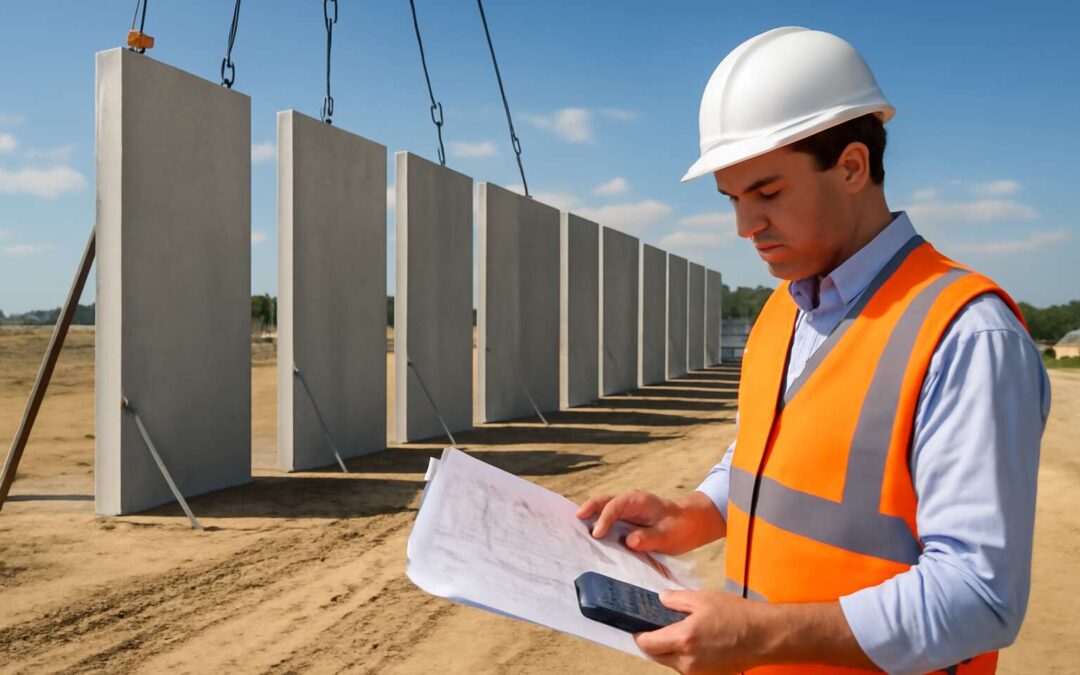
In a market hungry for efficiency, speed saves money. Early reports show that precast walls can slash on-site build time by days, not hours. The question on many lips is are precast walls cheaper, shaping project choices across South Africa’s new-build scene!
Pricing hinges on material costs, factory proximity, and finish options; transport to site and crane-day requirements also tilt the total—and these choices mirror a balance between speed and stewardship. Here are key cost drivers to keep in view for a South African project:
- Material and reinforcement standards
- Distance to the factory and fuel prices
- Finish choices and insulation requirements
When I compare quotes, I look beyond upfront price to overall lifecycle costs, including installation speed, weather resilience, and maintenance cycles. I’ve seen reputable South African manufacturers standardise components for rapid assembly, reducing site disruption and long-term expenses while still meeting local codes and cooling needs.
Cost comparison with traditional construction
In a market hungry for efficiency, the perennial question is are precast walls cheaper? Early SA projects hint that factory-made panels can trim on-site timelines by days—and in some cases weeks—turning speed into savings. When cost is weighed, the long view—maintenance, resilience, and energy performance—often tilts the balance in favour of precast over traditional brick and mortar.
- Cost predictability and reduced financing costs thanks to faster approvals.
- Less weather exposure and on-site crane time, reducing risk—and expense.
- Lower maintenance and longer life cycles that translate to lower total cost of ownership.
In South Africa’s climate, standardised components can offer rapid assembly while meeting local codes and cooling needs, keeping projects on budget and on schedule—an elegant balance of speed and stewardship.
Regional and project-specific cost drivers
In a market chasing efficiency, are precast walls cheaper? The truth emerges in the nuance: regional transport, panel size, and project timing ripple through the price tag, shaping value beyond the sticker price. South Africa’s climate and codes reward standardized components that fit the local rhythm without inflating risk. As one developer notes, “speed is currency on every project”.
- Regional freight and reach, which trims or adds transport costs
- Panel dimensions and customization versus standard libraries
- Site access, crane time, and installation logistics
- Insulation, cooling needs, and local compliance driving finishing choices
When cost conversations turn to life-cycle performance—maintenance intervals, resilience under weather, and energy efficiency—the tally often tilts toward precast. Thus, speed and savings converge, while craft remains intact.
Total cost of ownership and long-term value
In South Africa, speed is king and capex breathes easier when the roof doesn’t leak optimism. The hot question is: are precast walls cheaper. The truth surfaces where numbers linger—install time, financing cost, and lifecycle performance all tug on the price tag, far beyond the sticker.
Total cost of ownership leans on longer intervals between maintenance, resilience in wild weather, and steady energy performance. Shorter on-site durations mean less crane time and fewer weather delays, while a robust shell cuts repainting cycles.
- Lifecycle maintenance and replacement intervals
- Thermal performance and energy savings
- Weather resilience and insurance implications
South Africa’s codes align with standard modules, boosting predictable cost curves and long-term value. The market rewards a measured blend of quality, speed, and a drier budget—without sacrificing craft. Long-term value converges where precast’s durability, speed, and less waste meet modern building goals.
Practical cost-saving strategies for precast projects
“Speed is king in South Africa,” a seasoned project director often quips, and precast walls fit that credo! When the shell goes up dry and tight, the schedule breathes easier and margins stay healthier. So, are precast walls cheaper? The answer is rarely a single figure; it’s a balance of upfront cost, install velocity, and lifecycle performance.
In South Africa, standard modules align with codes and create predictable cost curves, while a compact footprint trims crane time and weather delays. The long view prizes durability, energy performance, and lower repaint cycles, so the upfront tag sits alongside a broader value story.
Consider these high-level drivers shaping pricing and value:
- Module standardisation and supply chain efficiency
- Thermal performance and maintenance implications
- Insurance implications tied to weather-resilient shells
