
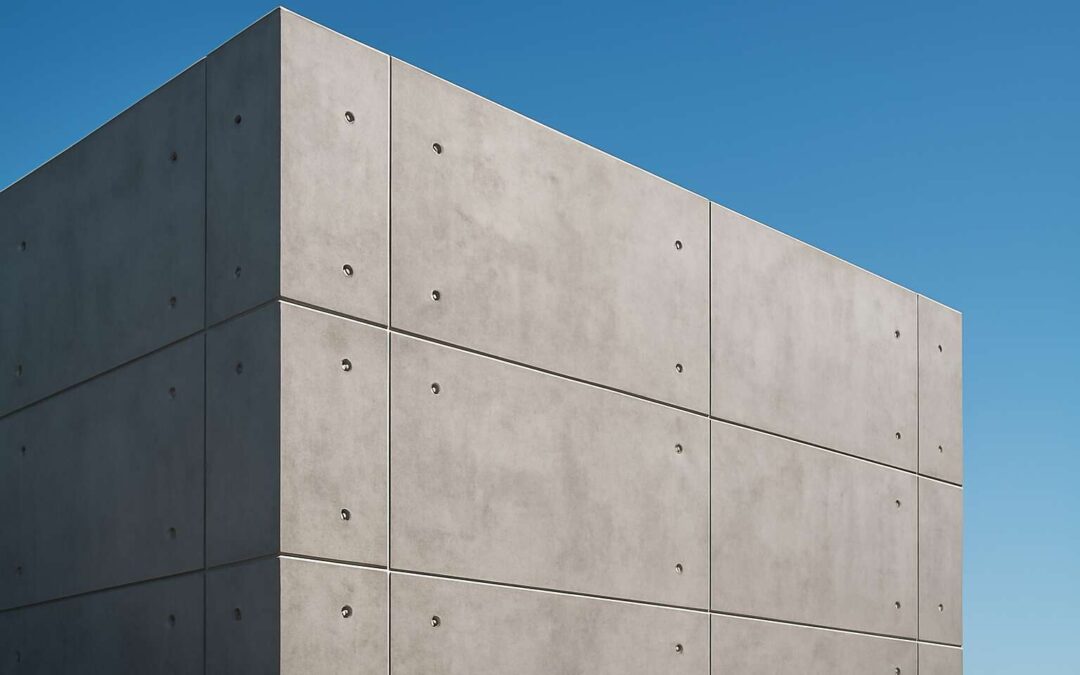
Advantages of Concrete Walls
Enhanced Durability and Longevity
Concrete walls have long been heralded as the stalwart guardians of structural integrity. They are not just walls; they are monuments to resilience that withstand the relentless march of time. When asking, “are concrete walls good,” one must consider their unparalleled durability, which often surpasses traditional materials. These walls are resistant to pests, fire, and extreme weather, making them ideal for South African climates where resilience is paramount.
Beyond mere strength, their longevity transforms them into investments that pay dividends over decades. Unlike timber or drywall, concrete walls resist cracking and deterioration, ensuring your structure remains solid from the foundation to the rooftop. For those seeking a fortress-like safeguard, concrete walls offer peace of mind through their robust nature.
In fact, many property owners have discovered that choosing concrete walls can significantly reduce maintenance costs and enhance property value. Whether for residential or commercial applications, the question remains—are concrete walls good? The answer, rooted in their proven performance and enduring endurance, is a resounding yes. Their resilience makes them a natural choice for South Africa’s diverse and often unpredictable environment.
Excellent Fire Resistance
Concrete walls stand as a formidable barrier against the threat of fire, offering an unparalleled level of safety that’s hard to match with traditional materials. In regions like South Africa, where wildfires and unpredictable heatwaves are not uncommon, the fire resistance of concrete walls becomes a decisive factor for property owners seeking peace of mind.
Unlike timber or drywall, concrete walls do not ignite, emit toxic fumes, or contribute to the spread of flames. Their dense composition acts as a natural insulator, containing heat and preventing ignition for extended periods. This resilience not only protects occupants but also preserves the structural integrity of the building during emergencies.
For those questioning, “are concrete walls good,” the answer is reinforced when considering fire safety. Their ability to withstand high temperatures and resist combustion elevates them above many other construction materials. In essence, concrete walls provide a fortress-like defense that can be the difference between safety and catastrophe in critical moments.
Superior Sound Insulation
In a world increasingly obsessed with silence and serenity, the question “are concrete walls good?” takes on a new dimension. Concrete walls are renowned for their superior sound insulation, transforming noisy neighborhoods into peaceful sanctuaries. This is particularly invaluable in South Africa, where urban noise pollution can often seep into even the most private of retreats.
What sets concrete apart is its dense, mass-heavy composition, which acts like an auditory fortress. Unlike timber or drywall, which can transmit sound with relative ease, concrete walls significantly diminish noise transmission, creating a calm environment for both work and rest. Whether it’s the hustle and bustle of city life or the distant hum of a wildfire, these walls stand as stalwart guardians of tranquility.
For those pondering the merits of concrete walls, the answer is unequivocal. Their ability to provide unparalleled soundproofing enhances living quality while offering a subtle yet powerful advantage in urban settings. Incorporating concrete walls is not merely a structural choice but a lifestyle decision—one that champions peace amid chaos.
Low Maintenance Requirements
In a landscape where architectural resilience often hinges on maintenance demands, concrete walls stand as paragons of low maintenance requirements. Their dense composition inherently resists the caprices of weather, pests, and rot, reducing the need for frequent repairs or repainting. Unlike timber or drywall, which succumb to the relentless march of time and environmental assault, concrete walls demand minimal intervention, making them a pragmatic choice for homeowners seeking longevity with less fuss.
This durability translates into significant cost savings over the lifespan of the structure, freeing resources that could otherwise be diverted to ongoing upkeep. The smooth surfaces of concrete walls are less prone to accumulating dirt and grime, and when cleaning is needed, it’s often a straightforward process—simply a power wash or mild scrub suffices. In South Africa’s diverse climate zones, where seasonal variations can accelerate deterioration in other materials, concrete’s resilience ensures that the initial investment continues to pay dividends long after installation.
For those contemplating whether are concrete walls good for their property, the answer extends beyond structural strength. The low maintenance requirements act as a silent partner in safeguarding your investment, allowing you to focus on what truly matters—creating a sanctuary of peace and stability amidst the chaos of urban life.
Cost-Effectiveness Over Time
When evaluating the long-term value of building materials, cost-effectiveness over time can be a decisive factor. Concrete walls, with their inherent strength and durability, often prove to be a surprisingly economical choice. Unlike materials that require frequent repairs or replacements, concrete’s resilience means fewer expenses in the future, safeguarding your investment against the unpredictable whims of South Africa’s climate.
Furthermore, the initial installation costs of concrete walls are offset by their minimal upkeep. Over decades, homeowners discover that their savings compound—no repainting, no pest damage, no rot. This financial predictability is a rare commodity in the construction landscape, making concrete walls a prudent choice for those seeking stability and peace of mind.
- Reduced repair and maintenance costs
- Long-lasting structural integrity
- Lower energy bills due to superior insulative properties
Ultimately, the question “are concrete walls good?” extends beyond their robust appearance. It’s about the steady, understated savings that accumulate with time—making concrete walls an investment that truly pays dividends in the end.
Types of Concrete Walls and Their Benefits
poured-in-place Concrete Walls
When exploring the realm of concrete walls, poured-in-place concrete stands out as a fortress of strength and resilience. Its seamless construction process offers a monolithic barrier that’s both sturdy and aesthetically versatile. Unlike precast options, poured-in-place concrete allows for custom shapes and designs, making it an ideal choice for a variety of South African construction projects. This type of concrete wall provides an unmatched level of durability, especially when facing the unpredictable climate shifts and seismic activity common in the region.
In terms of versatility and benefits, poured-in-place concrete walls can be tailored to meet specific needs, whether they’re supporting a multi-story building or serving as a retaining wall in rugged terrains. They also provide excellent thermal mass, helping to regulate indoor temperatures—a crucial advantage in South Africa’s diverse climate zones. With such adaptability, many wonder: are concrete walls good? The answer is an emphatic yes, especially when considering their robustness and long-term performance. For structural integrity, nothing quite compares to the seamless strength of poured-in-place concrete walls.
precast Concrete Walls
When it comes to constructing formidable boundaries, precast concrete walls emerge as a marvel of modern engineering. These walls are manufactured off-site in controlled environments, allowing for impeccable quality control and swift installation. Their uniformity and precision make them a popular choice for South African projects seeking efficiency without compromising strength. The benefits of precast concrete walls extend beyond speed; they also offer excellent durability and resistance to harsh weather conditions, making them an ideal solution for both residential and commercial boundaries.
One of the most alluring advantages of precast concrete walls is their versatility. They can be customized with various textures, colors, and finishes to blend seamlessly into any landscape or architectural style. For those wondering, are concrete walls good? The answer is a resounding yes—especially when considering the rapid deployment and consistent quality of precast options. Their inherent resilience ensures they stand tall against South Africa’s dynamic climate and seismic activity, offering peace of mind for property owners.
- Speed of installation, reducing project timelines
- High degree of customization for aesthetic appeal
- Enhanced durability and weather resistance
In essence, precast concrete walls combine the best of both worlds—robust performance and design flexibility—making them a wise choice for a multitude of construction scenarios. When pondering whether concrete walls are good, precast solutions certainly affirm their reputation as a reliable and efficient building material in South Africa’s evolving landscape.
lamak Concrete Walls
Concrete walls, in their myriad forms, embody a harmonious blend of resilience and versatility that elevates modern construction to an art form. Among these, lamak concrete walls stand out as an innovative solution, perfectly suited for South Africa’s diverse climatic challenges. Their strength lies not only in their structural integrity but also in their capacity to adapt aesthetically, offering a spectrum of textures and finishes that seamlessly integrate with any landscape.
When pondering whether these structures are truly beneficial, it’s essential to consider the various types available. For example, poured-in-place concrete walls offer an unparalleled level of customization, molding to unique site conditions with precision. Conversely, precast concrete walls excel in rapid deployment, often reducing project timelines significantly. Both types share a common advantage: their ability to deliver long-term durability and resistance to weathering, which is vital in South Africa’s varying climate zones.
- Strength and resilience against seismic activity and harsh weather.
- Design flexibility with options for textures, colors, and finishes.
- Speed of installation that minimizes labor costs and project delays.
Ultimately, the question of whether concrete walls are good finds a compelling answer in the tangible benefits they offer—robustness, adaptability, and longevity—making them an integral component of South Africa’s evolving architectural landscape. Lamak concrete walls exemplify this ideal, merging form and function into enduring, aesthetically pleasing boundaries that withstand the test of time and nature’s whims.
masonry Concrete Walls
When it comes to sturdy, dependable boundaries, concrete walls are often the unsung heroes of modern construction. But are concrete walls good? The answer hinges on the variety and purpose of the walls in question. Take masonry concrete walls, for example—these traditional stalwarts have been standing strong for centuries, proof that their durability is no myth.
Masonry concrete walls are built from individual units like bricks or blocks, bonded together with mortar. This method delivers excellent load-bearing capacity, making them ideal for both foundational support and perimeter fencing. Their natural robustness offers a sense of security and permanence that many other materials struggle to match.
Plus, masonry concrete walls are incredibly adaptable. They can be customized with textures, colors, and finishes that blend seamlessly into South Africa’s diverse landscape. Whether modern or rustic, their aesthetic versatility makes them a popular choice—proving once again that, yes, are concrete walls good? Absolutely, especially when crafted as masonry structures. The combination of strength, style, and longevity cements their place as a mainstay in the architectural toolkit.
Common Concerns and Limitations of Concrete Walls
Potential for Cracking
Concrete walls are often praised for their strength, but they do come with some common concerns that shouldn’t be overlooked. One of the most notable limitations is the potential for cracking over time. While concrete is durable, it isn’t entirely immune to structural issues, especially if not properly installed or maintained. Cracks can develop due to temperature fluctuations, ground movement, or settling foundations—issues that are particularly relevant in South Africa’s diverse climate.
Unlike some materials, concrete walls are prone to developing visible cracks that may compromise their aesthetic appeal and, in extreme cases, their structural integrity. However, advancements in construction techniques and materials have mitigated some of these risks. For instance, controlled curing processes and reinforcement with steel help reduce the likelihood of cracking, making concrete walls a resilient choice for many applications.
- Ground movement or seismic activity
- Inadequate curing or poor installation
- Temperature fluctuations causing expansion and contraction
Understanding these limitations is crucial when considering whether concrete walls are good for your specific needs. Proper design, quality materials, and skilled craftsmanship go a long way in ensuring these walls stand the test of time without succumbing to common issues like cracking.
Insulation Challenges
While concrete walls stand as stalwart guardians of durability, they are not without their gentle, whispering concerns. One such concern is insulation—an aspect that often puzzles homeowners and builders alike. Concrete’s dense nature makes it an excellent barrier against sound and fire, but it can pose challenges for thermal insulation. Without proper design, these walls may struggle to maintain a consistent indoor climate, especially in South Africa’s varied climate zones.
Addressing these limitations often involves integrating insulation materials directly into the wall assembly or adding external insulation layers. This ensures that the walls not only withstand the test of time but also help regulate indoor temperatures effectively. As with all things concrete, the key lies in meticulous planning and skilled craftsmanship. When these elements align, the question of whether concrete walls are good becomes clear—especially when their resilience is complemented by thoughtful insulation solutions.
Aesthetic Limitations
Concrete walls, with their imposing presence, often evoke a sense of permanence that borders on the mystical. Yet, beneath this formidable exterior lie concerns that whisper through the shadows—one being their aesthetic limitations. For many, the stark, utilitarian appearance of concrete can seem unyielding, lacking the warmth and elegance found in other materials. This visual austerity can sometimes diminish the charm of a home, especially in South Africa’s diverse architectural landscape.
While their resilience is undeniable, the question remains—are concrete walls good if they do not seamlessly blend with the beauty of design? The answer hinges on the craftsmanship and the intent behind their use. In some cases, the raw, unfinished look is embraced as part of a modern, industrial aesthetic. In others, careful finishing and decorative treatments are employed to soften their harshness, transforming them into canvases for artistic expression.
- They may require additional treatments to improve visual appeal
- Design flexibility can be limited without creative interventions
- Complementary accents or textures are often necessary for aesthetic harmony
Ultimately, whether concrete walls are good depends on the vision—balancing their strength with the subtle art of aesthetic enhancement. When this balance is struck, the formidable allure of concrete can become not just a fortress of durability, but a statement of refined resilience—an enduring testament to the power of thoughtful design amidst the shadows.
Installation Time and Cost
Concrete walls are often praised for their strength, but they come with their own set of concerns, especially regarding installation time and cost. In South Africa, the initial investment can be significant, with costs influenced by material choice, design complexity, and site conditions. The installation process itself is labor-intensive and time-consuming, sometimes taking longer than alternative wall systems. This can be a drawback for projects with tight deadlines or limited budgets.
For those questioning, “are concrete walls good,” understanding the potential delays and expenses is crucial. A few factors can impact the timeline and costs, such as:
- Type of concrete wall (poured-in-place, precast, lamak, or masonry)
- Site accessibility and preparation requirements
- Complexity of finishing and aesthetic treatments
While the durability and longevity of concrete are undeniable, these practical considerations often influence whether concrete walls are the right choice for your project. The upfront investment is balanced by long-term strength, but it’s essential to weigh these factors carefully before proceeding.
When Are Concrete Walls a Good Choice?
For Structural Integrity and Safety
When contemplating the fortress-like strength of a building, one cannot overlook the profound role that concrete walls play in safeguarding and stabilising structures across South Africa. The question often arises: are concrete walls good? The answer hinges on specific circumstances where their unique attributes shine brightest. In regions prone to seismic activity or extreme weather, concrete walls offer unparalleled structural integrity, standing resilient against nature’s fury. Their inherent robustness ensures the safety of inhabitants, making them an ideal choice for both commercial and residential projects.
Furthermore, concrete walls excel in scenarios demanding unwavering safety standards. They serve as formidable barriers against intrusions and provide excellent support for multi-storey edifices. When reinforced with steel, these walls become even more adept at bearing heavy loads and resisting cracking, ensuring the longevity and security of the building. For those seeking a steadfast foundation, it’s clear: are concrete walls good? Absolutely, especially when safety is non-negotiable. This durability, combined with their capacity for customization, makes them a versatile solution for diverse architectural needs in South Africa’s evolving landscape.
In Soundproofing and Privacy Needs
Concrete walls are often celebrated for their versatility, but when are they truly a good choice? One compelling reason to consider concrete walls is their exceptional soundproofing capability—perfect for creating private sanctuaries amidst bustling South African urban landscapes. Their dense structure acts as a formidable barrier, dampening noise from external sources and ensuring tranquility within. This makes them invaluable in residential areas where peace and privacy are prized.
Moreover, concrete walls excel in enhancing privacy, especially in properties that require a clear demarcation of boundaries. Their formidable presence deters intrusions and provides a sense of security that many homeowners value deeply. For those seeking to balance durability with privacy, concrete walls stand out as a resilient and effective solution. When combined with thoughtful design, they can also contribute to the aesthetic appeal of a property, blending strength with style.
For External Walls in Harsh Climates
When weathering South Africa’s climatic extremes, the question “are concrete walls good?” often receives a resounding yes! For external walls in harsh climates, concrete stands as an indomitable guardian against the elements. Its dense composition provides exceptional resistance to wind, rain, and intense sunlight, making it a reliable choice for long-term durability.
In regions prone to temperature fluctuations, concrete’s thermal mass helps regulate indoor temperatures, reducing reliance on cooling or heating systems. This natural insulation property makes concrete walls an energy-efficient solution that can withstand the unpredictable South African weather. Whether it’s the scorching heat of the Karoo or the rainy season along the coast, concrete walls remain steadfast, offering peace of mind and structural integrity.
- High resistance to weather-related wear and tear
- Minimal maintenance needs, even in challenging environments
- Ability to support various design aesthetics with proper finishing
Choosing concrete for external walls in harsh climates isn’t just about resilience—it’s about investing in a fortress that endures, adapts, and stands the test of time amidst South Africa’s diverse and demanding landscape. Are concrete walls good? Absolutely—when durability and climate resilience are paramount, they’re an exceptional choice.
In Commercial and Industrial Buildings
When are concrete walls a good choice for commercial and industrial buildings? The answer often depends on the unique needs of the project and the environment in which it’s built. In South Africa’s bustling business hubs and sprawling industrial zones, durability and strength are non-negotiable. Concrete walls excel in these settings, providing a sturdy backbone that can withstand heavy use and the wear of time.
For structures requiring robust structural integrity and safety, concrete walls are often the top pick. They are especially beneficial when security is a concern, as their formidable presence deters intruders and vandalism. Additionally, concrete offers excellent fire resistance, an essential feature for safeguarding assets and personnel in industrial facilities. Whether for perimeter fencing, internal partitions, or load-bearing walls, concrete’s adaptability makes it a versatile choice.
In environments where soundproofing and privacy are priorities, concrete walls are unparalleled. They help create quiet, secure workspaces amidst noisy factories or busy construction sites. The natural thermal mass of concrete also aids in temperature regulation, reducing energy costs in large commercial spaces. For these reasons, when the question arises—are concrete walls good?—the answer becomes clear: they are a formidable, reliable solution tailored for South Africa’s demanding commercial landscape.
Environmental Impact and Sustainability of Concrete Walls
Eco-Friendly Construction Practices
In a world increasingly conscious of its ecological footprint, the question of whether concrete walls are good extends beyond mere structural integrity. Concrete, often seen as a symbol of durability, also harbors potential for sustainable construction when approached with eco-friendly practices. The environmental impact of concrete walls can be mitigated through innovative methods that reduce carbon emissions during production and promote recycling of materials.
Eco-friendly construction practices emphasize the use of locally sourced aggregates, supplementary cementitious materials like fly ash or slag, and energy-efficient curing techniques. These measures transform concrete walls from an environmental concern into a sustainable choice. For instance, incorporating recycled materials into the mix not only lessens waste but also enhances the ecological credentials of the structure.
- Utilizing low-carbon cement alternatives
- Implementing modular, prefabricated concrete panels
- Adopting designs that maximize insulation and reduce energy consumption
Ultimately, when thoughtfully designed and responsibly constructed, concrete walls can be a cornerstone of eco-conscious architecture—proof that strength and sustainability can walk hand in hand, even in the heart of South Africa’s rugged landscapes. Are concrete walls good? With the right approach, they certainly can be.
Potential for Recyclability
The environmental footprint of construction materials is a pressing concern, especially in a region as resource-conscious as South Africa. When considering **are concrete walls good** from a sustainability perspective, the answer hinges on innovation and responsibility. Concrete’s potential for recyclability offers a compelling argument in its favor, transforming what was once seen as a disposable material into a cornerstone of eco-conscious design.
Modern concrete production can significantly reduce environmental impact by integrating recycled aggregates and supplementary cementitious materials like fly ash or slag. These practices not only divert waste from landfills but also lower carbon emissions associated with manufacturing. Moreover, concrete walls lend themselves to reuse and recycling — after their lifespan, they can often be crushed and repurposed for other infrastructure projects. This **potential for recyclability** makes concrete a surprisingly sustainable choice, provided it is manufactured with environmental considerations in mind.
In addition, innovative techniques such as the use of low-carbon cement alternatives and modular prefabricated panels further enhance the eco-friendliness of concrete walls. These strategies help minimize waste during construction and enable efficient material reuse. As a result, concrete walls, when crafted with sustainability at their core, can contribute to greener, more resilient South African landscapes without compromising strength or durability.
Energy Efficiency Considerations
Concrete walls are often misunderstood, their true environmental impact shrouded in misconceptions. Yet, when crafted with sustainability at the forefront, they reveal a surprising potential for eco-friendliness. In South Africa’s resource-conscious landscape, the question of whether are concrete walls good extends beyond strength—it’s about their footprint on our planet. Concrete’s ability to incorporate recycled aggregates and supplementary cementitious materials like fly ash or slag significantly reduces waste and lowers carbon emissions. This makes concrete walls not just durable but also a responsible choice for environmentally aware projects.
Energy efficiency is another critical facet. Concrete walls possess excellent thermal mass, meaning they can moderate indoor temperatures, reducing reliance on heating and cooling systems. This natural regulation fosters a more sustainable building environment. Plus, innovations such as low-carbon cement alternatives and modular prefabrication techniques further diminish construction waste and promote reuse. These advancements elevate concrete walls from mere structural components to vital elements of green building practices, especially in regions striving for resilient, eco-friendly infrastructure.
Maintenance and Care for Concrete Walls
Regular Inspection and Crack Repair
In the realm of structural integrity, the question often arises: are concrete walls good? Their resilience is renowned, yet even the mightiest require vigilant care. Regular inspection becomes the cornerstone of longevity, revealing the subtle signs of wear—most notably, cracks that may seem insignificant but hold the potential for future structural compromise.
Crack repair is not merely a cosmetic concern; it’s a vital preventative measure. When cracks are detected early, they can be sealed with specialized compounds that restore the wall’s strength. This ongoing process ensures concrete walls maintain their durability and resist environmental pressures that threaten their integrity over time.
To streamline maintenance efforts, consider implementing a systematic inspection routine. An
- annual visual check
- prompt repair of any detected damage
- use of high-quality sealants
can significantly extend the life of concrete walls. When properly maintained, they continue to serve their purpose effectively, affirming their status as a durable and dependable construction choice.
Cleaning and Sealing
Concrete walls are often hailed as the backbone of sturdy construction, but their longevity depends heavily on proper maintenance and care. Regular cleaning removes dirt, grime, and corrosive substances that can erode the surface over time. Using gentle pressure washing combined with eco-friendly cleaning agents ensures the walls remain pristine while preserving their integrity. After cleaning, sealing becomes an essential step in safeguarding your investment.
Sealing concrete walls prevents moisture infiltration, which can lead to cracks and spalling—particularly in South Africa’s diverse climate. Applying high-quality sealants creates a protective barrier that enhances durability and resists environmental pressures. For optimal results, it’s advisable to reapply sealants every few years, especially in harsh weather conditions. This routine maintenance not only prolongs the lifespan of the concrete walls but also maintains their aesthetic appeal, making them an enduring choice for both residential and commercial structures.
Addressing Moisture and Drainage Issues
Concrete walls are often celebrated for their strength and resilience, but their true test lies in how well they handle moisture and drainage issues. In South Africa’s diverse climate—think scorching summers and drenching rains—proper maintenance is crucial to prevent water infiltration that can compromise the structure. Moisture seeping into concrete walls can lead to spalling, cracking, and even structural failure if left unchecked.
To keep your walls dry and durable, consider implementing effective drainage solutions. For example, directing water away from the foundation with well-designed gutters and downspouts can make a world of difference. Regular inspection of drainage systems ensures that no sneaky blockages or leaks develop, which could spell disaster in the long run. Remember, a little preventative care now saves a hefty repair bill later.
In terms of ongoing maintenance, sealing plays a pivotal role. Reapplying high-quality sealants every few years provides a robust barrier against moisture intrusion. Combining this with routine inspections and prompt crack repairs helps maintain the integrity of your concrete walls. So, are concrete walls good? Absolutely—especially when you give them the care they deserve, ensuring they withstand South Africa’s climate with grit and grace.
