
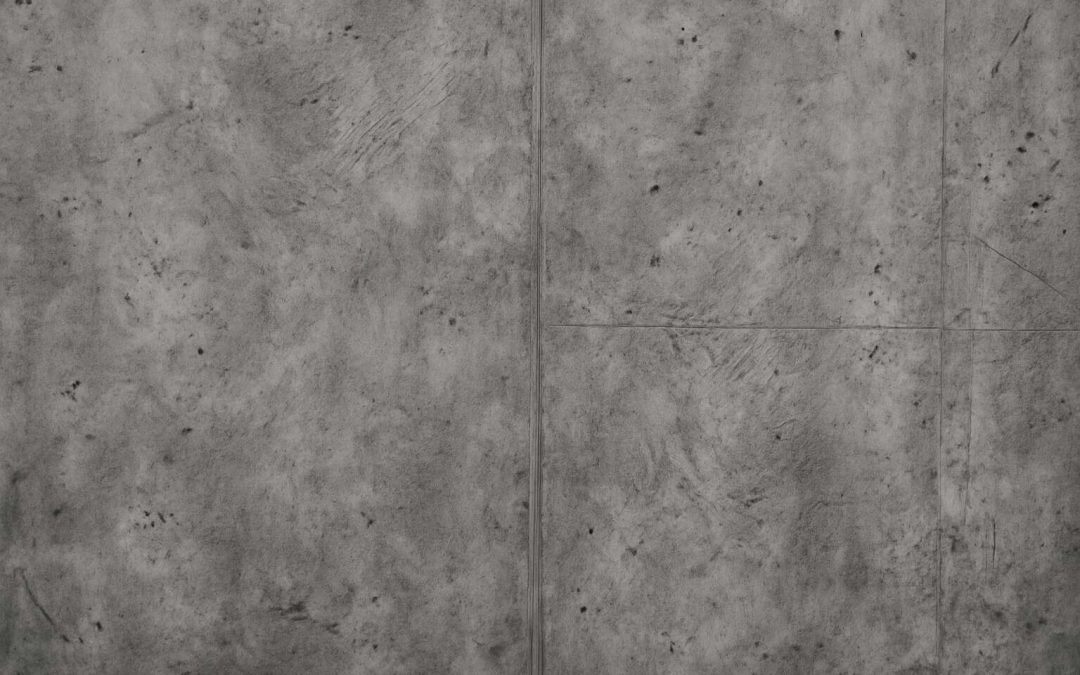
Understanding Concrete Walls Texture
Defining Concrete Walls Texture – Explanation of what concrete wall textures are and their purpose in architectural design
Concrete walls texture is more than just a surface finish; it’s an artistic expression of structural integrity and aesthetic intent. In South Africa’s evolving architectural landscape, the texture of concrete walls plays a pivotal role in shaping the character of a space. It transforms bare, utilitarian surfaces into compelling visual narratives, blending raw materiality with design sophistication.
Understanding concrete walls texture involves appreciating the subtle nuances that give each wall its unique personality. From smooth, polished surfaces to rugged, tactile finishes, the texture influences not only appearance but also how light interacts with the surface. This interplay can evoke feelings of strength, serenity, or dynamic energy—depending on the chosen technique.
At its core, concrete walls texture serves a dual purpose: enhancing aesthetic appeal and improving structural durability. Techniques such as stamping, brushing, or exposed aggregate create layers of depth, inviting viewers to explore the surface’s complexity. Here are some common approaches:
- Exposed aggregate for a natural, textured appearance
- Stamped patterns to add visual rhythm
- Polished finishes for a sleek, modern look
In South Africa’s diverse climate, the choice of concrete walls texture must also consider environmental resilience, ensuring the surface endures the test of time while maintaining its visual allure. Ultimately, the artistry lies in balancing form and function—crafting concrete walls that are as meaningful as they are durable.
Types of Concrete Wall Textures – Overview of common textures such as smooth, rough, patterned, and exposed aggregate
Concrete walls texture isn’t just a matter of aesthetics; it’s a tactile journey through the soul of modern architecture. South Africa’s diverse climate demands textures that can endure, yet still make a statement. When it comes to concrete walls texture, the options are as varied as the landscape itself. From sleek, polished surfaces that reflect a contemporary vibe to rugged, exposed aggregate finishes that celebrate rawness, each choice tells a story.
Understanding the different types of concrete walls texture is essential for creating spaces that are both durable and visually captivating. For instance, smooth finishes lend a sophisticated, minimalist charm, perfect for high-end urban designs. Conversely, rough textures evoke a sense of resilience, embodying the rugged spirit of South Africa’s terrains. Patterned textures, whether stamped or carved, add rhythmic visual interest, breaking up monotony and inviting exploration.
- Polished for sleek modernity
- Rugged exposed aggregate for natural appeal
- Patterned or stamped for artistic flair
Each of these textures enhances the character of concrete walls, transforming them from mere structural elements into compelling design features that withstand the test of time and climate. The beauty of concrete walls texture lies in its ability to balance practicality with artistry—making each surface a testament to craftsmanship and durability. Whether in a bustling Johannesburg courtyard or a serene Cape Town residence, the right concrete wall texture can elevate any architectural vision.
Importance of Texture in Modern Architecture – How wall textures influence aesthetics and functionality
In the realm of modern architecture, the importance of concrete walls texture cannot be overstated. Each surface tells a story—of resilience, craftsmanship, and aesthetic intent. The tactile quality of a wall influences not only how it looks but how it feels and interacts with its environment. A thoughtfully chosen concrete walls texture can evoke emotion, set a tone, and even influence the way natural light plays across a space.
Texture enhances both the visual appeal and functionality of concrete walls. For example, a rough, exposed aggregate finish offers durability and a raw, earthy charm perfect for South Africa’s rugged landscapes. Meanwhile, smooth, polished surfaces lend sophistication and reflectivity, ideal for contemporary urban settings. The interplay of textures creates a dynamic experience—inviting touch, exploration, and admiration—turning utilitarian structures into compelling works of art.
Popular Concrete Wall Texturing Techniques
Burnished Finish – Details on creating a sleek, polished appearance
In the realm of architectural finesse, the burnished finish stands as a testament to craftsmanship that elevates concrete walls texture into a realm of understated elegance. This technique involves meticulously polishing the surface of freshly cast concrete, revealing a sleek, mirror-like sheen that captures light and reflection with hypnotic precision. The result is not merely a wall; it becomes a canvas of subtle sophistication, where the interplay of gloss and shadow evokes a sense of depth often reserved for gallery spaces or high-end interiors.
Achieving this refined finish requires a delicate balance—expert hand, precise timing, and an understanding of material nuances. As the surface is polished, it reveals intricate details, such as fine lines and subtle variations in tone, that contribute to a distinctive tactile and visual experience. For those seeking a contemporary aesthetic that marries durability with visual impact, the burnished finish offers a compelling option.
In practice, applying a burnished finish to concrete walls texture might involve a series of steps, including initial smoothing, controlled grinding, and polishing with progressively finer abrasives. This process enhances the natural beauty of the concrete while providing a durable, low-maintenance surface that withstands the rigors of South African climates. The elegance of this technique lies in its ability to transform a utilitarian structure into a statement piece—proof that texture can be both functional and artful. The mastery of such concrete wall textures demands an understanding of both material science and artistic vision, making it a prized choice for architects and designers alike.
Stippled and Sandblasted Textures – Methods for achieving a rough or matte surface
In the realm of concrete walls texture, the allure of tactile variation can transform a mundane surface into a work of art. Among the most compelling techniques are stippled and sandblasted textures, which craft a rugged, matte finish that plays with light and shadow in captivating ways. These methods are often chosen for their ability to evoke raw authenticity, adding depth and character to any architectural project.
Stippling involves the use of specialized tools or material impacts to create a subtly uneven surface, mimicking natural terrain or weathered stone. On the other hand, sandblasting employs high-pressure abrasive particles to erode the concrete surface, revealing a resilient, textured layer underneath. The process is precise, yet it offers an element of unpredictability that keeps each wall unique. For those seeking a gritty, durable aesthetic, these techniques unlock a universe of possibilities.
In practice, achieving the perfect concrete walls texture with stippling or sandblasting requires a keen eye for detail and an understanding of material behavior. The outcome can vary from a soft matte to a rough, almost industrial feel, depending on the abrasives used and the intensity of application. This versatility makes stippled and sandblasted textures ideal for creating striking architectural statements in both commercial and residential settings across South Africa.
Stamped and Patterned Textures – Using molds and patterns for decorative effects
In the world of architectural innovation, stamped and patterned textures have carved out a niche that elevates concrete walls texture from mere structural elements to captivating art forms. Using molds and intricate patterns, artisans can imbue concrete surfaces with striking visuals that mimic everything from natural stone to geometric designs. This technique transforms plain walls into dynamic focal points, adding layers of depth and personality to any space.
One of the most compelling aspects of stamped and patterned textures is their versatility. Whether aiming for a subtle, understated elegance or a bold statement piece, the right pattern can redefine an entire façade. For those seeking a more customized approach, a variety of molds are available, allowing for unique, bespoke designs that reflect individual style. This makes textured concrete walls an excellent choice for both contemporary and traditional South African architecture.
- Applying these textures involves pressing molds into freshly poured concrete, carefully aligning patterns for seamless results.
- After curing, the surface can be further enhanced with staining or sealing, amplifying the decorative appeal.
Ultimately, the beauty of stamped and patterned textures lies in their ability to marry durability with aesthetic excellence. Each textured wall becomes a tactile canvas, rich with visual interest and cultural expression—perfect for those who desire architectural elements that stand the test of time while offering genuine character. When it comes to creating striking concrete walls texture, these techniques unlock a universe of expressive potential, transforming ordinary surfaces into extraordinary visual narratives across South Africa’s diverse landscapes.
Exposed Aggregate Finish – Techniques to reveal embedded stones for aesthetic appeal
Exposed aggregate finish is a striking example of a concrete walls texture that elevates ordinary surfaces into works of art. By carefully revealing embedded stones within the concrete, artisans create a tactile, visually rich surface that captures the natural beauty of South Africa’s diverse landscape. This technique not only enhances aesthetic appeal but also adds a layer of durability, making it a popular choice for both residential and commercial projects.
The process involves washing away the top layer of cement paste after the concrete has cured, exposing the embedded stones and creating a textured, pebble-like surface. For a refined look, some prefer a smooth, polished finish, while others embrace the rustic charm of a more rugged, uneven surface. The exposed aggregate finish offers versatility—it can be subtle or bold, depending on the size and color of the stones used, making it ideal for accent walls or entire facades.
In South African architecture, this concrete walls texture resonates deeply with the country’s natural environment, blending durability with captivating visual interest. Whether used in modern urban settings or traditional designs, the exposed aggregate finish remains a testament to craftsmanship and the timeless appeal of textured concrete walls.
Coloring and Staining Methods – Adding color to enhance texture and visual interest
Adding color to concrete walls texture transforms a simple surface into a canvas of visual interest. In South Africa’s diverse landscape, vibrant stains and hues echo the natural tones of earth, sky, and sunset, creating a harmonious blend of architecture and environment. Coloring methods such as integral pigments, acid stains, and reactive dyes give each concrete wall a unique personality, emphasizing its texture with depth and richness.
Staining techniques are particularly effective in highlighting the intricate details of textured surfaces. For example, acid stains penetrate deeply, reacting with the concrete to produce variegated, marbled effects that enhance the wall’s natural roughness or smoothness. The result? A striking contrast that celebrates the tactile quality of the concrete walls texture, making every wall a statement piece.
- Applying color in multiple layers can deepen textures, accentuating the wall’s character.
- Combining staining with sealing preserves the vibrant hues and protects against weathering, especially in outdoor applications.
This approach not only enriches the aesthetic but also adds durability, ensuring the concrete walls texture remains captivating for years to come. In South African architecture, where natural beauty and resilience go hand in hand, coloring methods elevate concrete walls from mere structures to expressive works of art that reflect local spirit and craftsmanship.
Materials and Tools for Creating Textured Concrete Walls
Essential Materials – Cement, aggregates, colorants, sealers
Creating captivating concrete walls texture begins with selecting the right materials—each chosen for its ability to transform a plain surface into a work of art. The foundation relies on high-quality cement, mixed with carefully graded aggregates, delivering both strength and aesthetic potential. To infuse personality into your concrete walls texture, colorants are added, offering a spectrum of hues that can mimic natural stone or vibrant modern palettes. Sealers come into play afterward, safeguarding the surface while enhancing the visual depth of the texture.
Essential tools make the process seamless and precise. Trowels, floats, and brushes help craft intricate surfaces, whether smooth or deliberately rough. For more elaborate textures, molds and stamps are invaluable—they imprint patterns and motifs that elevate the visual appeal of concrete walls texture. Additionally, equipment like sandblasters or stippling brushes can refine the surface, creating unique tactile qualities that captivate the eye and invite touch.
In fact, the choice of materials and tools directly influences the final look of your concrete walls texture, turning an ordinary wall into a centerpiece of architectural artistry. Whether aiming for a sleek burnished finish or a rugged exposed aggregate, understanding these essentials unlocks endless possibilities for creative expression in concrete craftsmanship.
Tools and Equipment – Trowels, brushes, stamps, surface vibrators, sandblasting equipment
In the realm of architectural artistry, the creation of compelling concrete walls texture demands more than mere materials—it calls for a symphony of tools that transform raw substance into visual poetry. Every stroke of a trowel or brush whispers a story into the surface, revealing a tactile narrative that beckons the eye and the touch. Precision tools like surface vibrators and sandblasting equipment serve as maestros, shaping the texture with a finesse that elevates ordinary walls into extraordinary statements.
Harnessing the power of molds and stamps unlocks a universe of decorative possibilities, imprinting patterns that dance across the concrete walls texture, leaving behind a legacy of craftsmanship. For those seeking a rugged, exposed aggregate finish, equipment such as stippling brushes and specialized vibrators are indispensable, revealing embedded stones and creating a visual depth that captivates. To refine the surface further, sandblasting equipment can etch intricate details, adding a layer of sophistication to the textured canvas.
Whether aiming for a sleek burnished sheen or a boldly patterned surface, understanding the nuanced roles of these tools is essential. The artistry lies not just in the choice of materials but in the mastery of tools—each one a brushstroke in the masterpiece of concrete walls texture, transforming bare concrete into an enduring work of architectural sculpture.
Choosing the Right Materials for Desired Texture – Guidance on selecting suitable materials based on texture type
Choosing the right materials for creating textured concrete walls is a delicate dance between vision and substance. The texture you desire—whether a rugged exposed aggregate or a sleek burnished finish—dictates your selection of raw ingredients. High-quality cement, carefully graded aggregates, and vibrant colorants serve as the foundational palette from which your masterpiece will emerge. Each component plays a vital role in shaping the final concrete walls texture, ensuring durability while embodying aesthetic finesse.
For those seeking intricate patterns or unique tactile qualities, tools such as stamps and surface vibrators are indispensable. The choice of equipment influences not only the appearance but also the depth and richness of the texture. When aiming for a rough, matte surface, stippling brushes or sandblasting equipment can be employed to etch, carve, or expose embedded stones, heightening the visual allure.
- Assess the desired texture style
- Select suitable aggregates and colorants for visual impact
- Utilize precision tools like vibrators and stamps for patterning and consistency
The secret to captivating concrete walls texture lies in the harmony between materials and tools—each element an artist’s brushstroke, each component a note in the symphony of architectural beauty. When carefully curated, this symphony transforms bare concrete into an enduring sculpture of texture and form, eloquently conveying the spirit of modern design in South Africa’s diverse landscapes.
Design Ideas and Inspiration for Concrete Wall Texture
Industrial Style Looking – Using raw, exposed textures for an urban aesthetic
When it comes to concrete walls texture, nothing screams urban chic quite like embracing the raw, unfiltered essence of industrial design. Think exposed concrete with all its gritty glory—perfect for those who believe that beauty is found in imperfection. The textured surface adds depth, character, and a rebellious edge to any space, making it a favorite among architects seeking to craft a modern masterpiece with an unapologetic attitude.
In South Africa’s vibrant architectural scene, the use of concrete walls texture has become a symbol of authenticity and resilience. Whether you opt for a rugged, stippled finish or a smooth, burnished look, the key is in celebrating the natural variations and imperfections that make each wall unique. To truly capture the industrial aesthetic, consider incorporating a few ideas like layered textures or contrasting finishes that highlight the raw material’s personality.
- Combine exposed aggregate with polished surfaces for visual intrigue.
- Use strategic staining to accentuate the textured features and add a splash of color.
- Experiment with stamped patterns to create a bespoke urban vibe that stands out.
By thoughtfully blending these elements, concrete walls texture transforms from mere structural necessity to an artful expression of modern city life, infused with a distinctly South African flair. The result? Walls that aren’t just background but bold statements of style and substance.
Modern Minimalist Approaches – Smooth surfaces with subtle textures
In the realm of contemporary design, the allure of smooth, minimalist concrete walls texture beckons with a whisper of understated elegance. It’s a canvas that celebrates subtlety, where the gentle undulation of a polished surface transforms mere architecture into a serene statement of modernity. The play of light across these surfaces creates shadows and highlights, emphasizing their refined simplicity and inviting quiet contemplation.
For those drawn to the minimalist aesthetic, the pursuit of a sleek, understated finish offers endless inspiration. Imagine a space where the concrete walls texture is almost ethereal in its delicacy—an unobtrusive backdrop that complements, rather than competes with, the finer details of interior decor. To elevate this approach, consider incorporating a slight burnished finish that captures the soft glow of South African sunlight, adding warmth without sacrificing sophistication.
Experimentation with contrasting textures can also deepen the visual dialogue. Think layered finishes—perhaps a smooth surface juxtaposed with a subtly stippled accent—creating a tactile harmony that speaks to craftsmanship and intentionality. The beauty of concrete walls texture lies in its versatility; it can be as pristine as a river pebble or as muted as a desert stone—each imbued with unique character and charm.
- Opt for subtle staining to introduce gentle hues that enhance the natural variations inherent in concrete walls texture.
- Use minimalist decorative elements to highlight the quiet strength of a smooth, unadorned surface.
- Incorporate lighting techniques that accentuate the nuanced textures, casting delicate shadows that dance across the wall’s surface.
Indeed, the artistry of concrete walls texture in modern minimalist design is a testament to the power of restraint—where simplicity becomes sophistication and every surface tells a story of understated resilience and refined taste. In South Africa’s vibrant architectural landscape, such walls serve as both a nod to timeless craftsmanship and a bold declaration of contemporary elegance.
Decorative Patterns and Murals – Incorporating textures into art and visual displays
In the vibrant tapestry of South African architecture, concrete walls texture transforms mere structures into captivating canvases of artistry. When thoughtfully integrated with decorative patterns and murals, these textures elevate spaces from utilitarian to iconic. Imagine walls adorned with intricate stamped designs or layered stippled finishes—each pattern whispering stories of craftsmanship and cultural heritage. Such textured surfaces don’t just serve aesthetic purposes; they forge tactile journeys that invite touch and exploration, adding depth and personality to any environment.
For those daring to push boundaries, experimenting with contrasting textures—smooth juxtaposed with rough or stippled against patterned—can create visual symphonies that resonate with modern sensibilities. Incorporating subtle color stains into the concrete walls texture enhances their natural variations, turning them into living murals of earthy hues and muted tones. Whether through artistic murals or minimalist decorative elements, the goal remains to celebrate the natural allure of concrete, transforming it into a dynamic expression of contemporary design.
Combining Textures for Unique Results – Layering different textures for dynamic walls
Imagine a wall that tells a story without words—a canvas of layered textures that beckon the touch and ignite the imagination. Combining different concrete walls textures offers endless possibilities for creating walls that are as dynamic as South Africa’s vibrant cultural tapestry. Layering smooth with stippled or rough with patterned surfaces transforms a mundane façade into a living, breathing work of art. This interplay of textures can produce a symphony of visual interest, capturing light and shadow in a dance that shifts with the eye’s movement.
For those eager to craft distinctive spaces, experimenting with contrasting textures is a must. Think of a sleek, polished surface juxtaposed against a rugged, exposed aggregate finish—each element amplifying the other’s beauty. Incorporating subtle color stains into these textures further elevates their complexity, turning them into vibrant murals of earthy hues and muted tones. Such layering not only enriches the aesthetic but also engenders tactile journeys, inviting exploration and interaction. In the realm of modern architecture, these textured walls serve as a testament to ingenuity—an ode to the raw allure of concrete walls texture.
Maintenance and Durability of Textured Concrete Walls
Cleaning Tips for Different Textures – Best practices to keep textures looking fresh
Concrete walls texture isn’t just about aesthetics; it’s about longevity. Proper maintenance ensures that these textured surfaces retain their charm, resisting the wear and tear of South Africa’s diverse climate. Regular cleaning, tailored to the specific texture, helps prevent dirt and grime buildup that can dull the surface. For instance, rough or patterned textures may trap dust more easily, requiring gentle scrubbing with soft brushes and mild detergents. Sealing is vital—applying a high-quality sealer protects the surface from moisture ingress, which can cause cracking or erosion over time.
Durability depends largely on choosing the right cleaning methods. For exposed aggregate finishes, a simple rinse with water and a mild cleaner often suffices, while sandblasted textures might need a more delicate touch to avoid damaging the surface.
- Use non-abrasive tools to prevent surface erosion
- Avoid harsh chemicals that can degrade the texture
- Schedule routine inspections to catch early signs of damage
These best practices keep your concrete walls texture looking fresh and resilient, ensuring they continue to enhance your space’s architectural appeal for years to come.
Sealing and Protective Coatings – Methods to prevent damage and staining
Concrete walls texture is more than just a visual statement; it’s an investment in the longevity and resilience of your structure. Proper sealing and protective coatings serve as the first line of defense against the harsh South African climate, which can bring intense sun, moisture, and dust. Applying a high-quality sealer not only preserves the aesthetic appeal but also prevents staining and moisture ingress that could lead to cracks or erosion over time.
Sealing methods should be tailored to the specific texture of your concrete walls. For example, exposed aggregate finishes benefit from penetrating sealers that highlight the embedded stones while guarding against dirt buildup. Conversely, smoother textures might require a different approach to ensure even coverage. Regularly scheduled inspections of your concrete walls texture allow early detection of potential damage, ensuring timely intervention and avoiding costly repairs down the line.
- Choose the appropriate sealer based on your specific concrete wall texture.
- Apply protective coatings evenly, avoiding missed spots that can become weak points.
- Reapply sealers periodically, especially after cleaning or weather events.
By prioritizing sealing and protective coatings, you extend the life of your concrete walls texture, maintaining both their beauty and structural integrity amidst South Africa’s unpredictable climate. This dedication to upkeep ensures your walls remain a striking feature that withstands the test of time, weather, and wear.
Repairing Damaged Textures – Step-by-step guide for restoring worn or chipped areas
Concrete walls texture isn’t just about making a statement; it’s about durability and long-term resilience. Over time, even the most stunning textured surfaces can suffer from wear, chips, or scratches—especially in South Africa’s unpredictable climate. Restoring damaged concrete walls texture requires a careful, methodical approach that preserves the original aesthetic while ensuring longevity. Let’s explore a step-by-step process to breathe new life into those worn-out patches.
The first step involves assessing the extent of the damage. For minor chips or surface erosion, you’ll need to clean the area thoroughly and prepare it for repair. Using a suitable patching compound, carefully fill in the chipped or worn sections, ensuring they match the surrounding texture. Once the filler dries, gently sand the surface to smooth out irregularities, then reapply the concrete walls texture to seamlessly blend the repair into the existing finish.
For larger or more intricate damages, consider employing textured overlays or specialized molds that replicate the original pattern.
- Use a trowel or a stencil to recreate the texture
- Apply a bonding agent to ensure adhesion
- Finish with a sealant to protect the repaired area from future damage
This meticulous process guarantees your concrete wall’s texture remains consistent and visually appealing, even after years of exposure to South Africa’s sun, dust, and moisture.
Regular maintenance and timely repairs not only extend the lifespan of your concrete walls texture but also keep your architectural vision intact. When cracks or chips appear, addressing them promptly prevents further deterioration, saving you from costly future repairs. After all, a well-maintained textured concrete wall isn’t just about aesthetics; it’s a testament to resilience against the elements and time.
Longevity of Various Textures – Factors influencing durability
Concrete walls texture is more than just a visual element—it’s a testament to durability and resilience. In South Africa’s challenging climate, the longevity of textured concrete walls depends heavily on proper maintenance. Over time, exposure to sun, dust, and moisture can cause surface deterioration, but regular upkeep can significantly extend their lifespan.
The durability of various textures hinges on several key factors. For example, exposed aggregate finishes tend to withstand weathering well due to their embedded stones, which provide natural resistance. Conversely, softer textures like stippled or sandblasted surfaces may require more upkeep to prevent erosion. Understanding these nuances is essential for choosing the right texture for your environment.
Routine maintenance involves cleaning with gentle methods to prevent surface damage. Applying protective sealants periodically creates a barrier against moisture ingress and staining. Additionally, inspecting for cracks or chips and repairing them promptly helps maintain the wall’s structural integrity.
In the end, the longevity of your concrete walls texture is a combination of quality materials, expert application, and diligent upkeep. Whether you prefer a sleek burnished finish or a rugged stamped pattern, investing in proper care guarantees that your textured concrete wall remains visually appealing and resilient for years to come.
Eco-Friendly and Sustainable Practices
Using Recycled Materials – Incorporating sustainable aggregates and additives
In a world increasingly conscious of environmental footprints, the integration of eco-friendly and sustainable practices in concrete walls texture is transforming architecture across South Africa. Imagine walls that not only stand the test of time but also whisper tales of sustainability—crafted from recycled materials that breathe new life into construction. Using sustainable aggregates and additives, artisans and builders are pioneering methods that reduce waste and lower carbon emissions, all while achieving stunning textures that elevate design aesthetics.
Incorporating recycled materials into concrete walls texture isn’t just good for the planet; it’s a creative frontier. For instance, crushed glass or recycled ceramic fragments can be embedded to create dazzling exposed aggregate finishes, adding depth and character while championing eco-consciousness. Such innovative approaches foster a harmonious blend of beauty and responsibility, turning every wall into a testament to sustainable craftsmanship.
- Utilize crushed recycled concrete as aggregate, reducing landfill waste and conserving natural resources.
- Incorporate eco-friendly additives like fly ash or slag, which enhance durability and reduce reliance on traditional cement.
By embracing these sustainable practices, architects and builders can craft concrete walls texture that not only captivates the eye but also champions environmental stewardship—proof that innovative design and sustainability can walk hand in hand in South Africa’s vibrant landscape.
Low-Environmental-Impact Texturing Techniques – Methods that reduce waste and energy consumption
In a world where every material choice resonates with moral weight, the pursuit of eco-friendly and sustainable practices in concrete walls texture is more than a trend—it’s a moral imperative. South Africa’s vibrant landscape and resource challenges beckon architects and artisans to rethink how they shape their environment. Low-environmental-impact techniques, which focus on reducing waste and energy consumption, are at the forefront of this movement. These methods are not merely about preservation—they are a form of silent rebellion against the wastefulness that has long defined construction.
One profound approach involves utilizing crushed recycled concrete as aggregate, transforming what was once destined for landfill into a cornerstone of new structures. This act of reinvention echoes a deeper truth—sustainability isn’t just an option, it’s an essential ethos woven into the fabric of modern concrete walls texture. Incorporating eco-friendly additives like fly ash or slag further enhances durability while dramatically lowering the carbon footprint of each project. These small but significant choices elevate the integrity of the wall, both visually and morally.
To truly embrace low-impact techniques, many artisans turn to innovative surface treatments. For example, sandblasting or stippling can create rough, matte finishes that require minimal energy and material input. Alternatively, textured molds and stamping methods allow for decorative effects without excessive waste. The process is a testament to ingenuity—finding beauty in simplicity and purpose. As we push the boundaries of concrete walls texture, it becomes clear: sustainable craftsmanship is not just an aesthetic pursuit but an existential one—shaping our environment with intention and respect for the earth’s finite resources.
Green Sealing and Finishing Products – Eco-friendly sealers and coatings
Eco-friendly sealers and coatings have revolutionized the way we approach concrete walls texture—transforming a once utilitarian process into a conscious act of sustainability. These innovative products not only preserve the beauty of textured surfaces but also significantly reduce environmental impact. Unlike traditional sealers laden with volatile organic compounds (VOCs), eco-friendly options are formulated with natural or low-toxicity ingredients, ensuring safer environments and healthier communities.
In South Africa’s landscape, where environmental challenges are ever-present, selecting green sealing and finishing products is a moral choice. These sealants penetrate deeply, safeguarding textured concrete walls while allowing the material to breathe—preventing moisture buildup and mold growth. Moreover, many eco-friendly coatings incorporate recycled materials or bio-based additives, aligning craftsmanship with ecological integrity.
To enhance durability and aesthetic appeal, artisans often employ natural finishes that complement the textured surface. When considering a coating, look for products that offer:
- Low VOC content
- Biodegradability
- Recyclable packaging
- Non-toxic ingredients
Choosing the right product not only elevates the visual impact of concrete walls texture but also champions a sustainable future—one where every layer of protection echoes a commitment to our planet. With these practices, the artistry of concrete becomes a silent testimony to environmental stewardship, reflecting a harmony between design and responsibility.
