
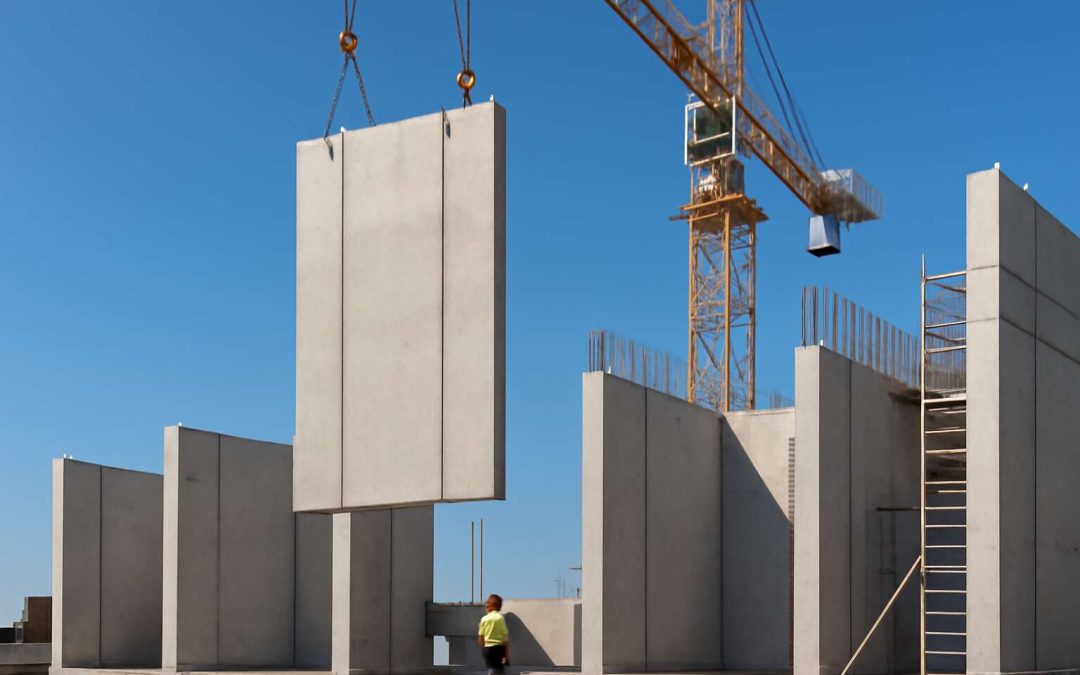
Understanding Precast Walls
Definition of Precast Walls
Precast walls are transforming the way we think about construction, offering a blend of durability and efficiency that’s hard to ignore. Unlike traditional on-site building methods, precast a walls are manufactured in controlled environments, ensuring consistency and quality. This process not only speeds up project timelines but also reduces waste and environmental impact. When you consider the rising demand for sustainable building practices, precast walls stand out as a practical solution.
Understanding precast walls involves recognising their composition: large concrete panels, often reinforced, that are cast off-site and transported ready for installation. These panels can be customised to fit specific architectural and structural needs, making them highly versatile. In fact, the popularity of precast a walls continues to grow across various sectors—residential, commercial, and industrial—due to their strength and ease of assembly.
For those exploring precast a walls, it’s helpful to know that their design can incorporate features like insulation, doors, and windows, further streamlining the construction process. The efficiency and consistency of precast walls are why many builders prefer them—saving time, labour, and ultimately, costs. It’s a modern approach that aligns well with the demands of today’s fast-paced construction industry.
Materials Used in Precast Wall Construction
When it comes to precast a walls, the materials used are as diverse as the architectural ambitions they serve. At their core, these walls are predominantly composed of high-quality concrete, tailored to withstand the rigours of time and the whims of the elements. But don’t be fooled into thinking it’s just about pouring concrete; these panels often incorporate advanced reinforcement techniques, such as steel rebars or fibres, to bolster their structural integrity.
What truly sets precast a walls apart is their versatility in material composition. For example, insulation layers can be integrated directly into the panels, transforming them into energy-efficient fortresses. This innovation means quicker assembly times and fewer on-site surprises—no more waiting for the concrete to cure under unpredictable weather conditions. Instead, the factory setting ensures consistency and precision, making precast a walls a favourite among builders seeking quality without compromise.
Some of the most common materials used in precast a walls include:
- Reinforced concrete with steel rebars
- Precast concrete with embedded insulation
- Lightweight aggregates for specialised applications
By carefully selecting these materials, manufacturers craft precast a walls that are not only robust but also adaptable, environmentally friendly, and cost-effective—a true testament to modern construction ingenuity.
Types of Precast Walls
Precast a walls come in a startling variety, each designed to meet specific structural and aesthetic demands. Their versatility lies in the ability to adapt materials and design features, creating solutions that are both functional and visually striking. Among the most prevalent are reinforced concrete panels, which offer exceptional durability and load-bearing capacity. But the true marvel of precast a walls is the array of options that push the boundaries of conventional construction.
One fascinating category is the insulated precast a walls, where thermal layers are embedded during manufacturing. This innovation transforms these panels into energy-efficient barriers, reducing long-term costs and environmental impact. Another intriguing type involves lightweight aggregates, perfect for specialised applications requiring reduced weight without compromising strength. These variations illustrate how precast a walls can be tailored for everything from high-security facilities to sleek modern facades.
Understanding the different types of precast a walls reveals a world of engineering ingenuity. From modular panels that snap together seamlessly to curved or customised shapes that challenge traditional design, the potential is endless. The choice of precast a walls hinges on project-specific needs, blending durability with aesthetic finesse to produce structures that stand the test of time.
Advantages of Precast Walls
Cost Efficiency and Budget Management
In a world driven by relentless deadlines and tight budgets, the allure of precast a walls becomes undeniable. Their cost efficiency isn’t merely a financial advantage; it’s a testament to how smart construction practices can align with economic pragmatism. The real magic lies in their ability to streamline project timelines, reducing labour costs and material wastage significantly. When you consider how the precision manufacturing of precast a walls minimises on-site errors, the saving becomes even more evident.
Moreover, budget management is transformed from a daunting challenge into a manageable process. Precast a walls offer predictable expenses because the manufacturing process is standardised, allowing for accurate cost estimation upfront. This predictability reduces the risk of overruns, giving stakeholders confidence that the project will stay within financial bounds. The combination of speed, quality control, and reliable pricing makes precast a walls an unrivalled choice for those seeking fiscal discipline in construction projects.
Speed of Installation
The true marvel of precast a walls lies in their unparalleled speed of installation — a factor that often determines the rhythm and success of any construction project. In a realm where time is as precious as the materials themselves, the efficiency of precast a walls transforms what once was a protracted endeavour into a swift, almost seamless process. Unlike traditional construction methods, where on-site assembly can stretch into weeks or even months, precast a walls arrive ready-made, allowing for rapid deployment and immediate progress.
This accelerated installation not only compresses project timelines but also mitigates the disruptions and delays that plague conventional building practices. For those vying for a competitive edge, the ability to erect sturdy, high-quality walls within days can be the decisive factor that elevates a project’s success. Implementing precast a walls leads to a more predictable schedule, minimising downtime and maximising productivity — a true game-changer in today’s fast-paced construction industry.
- Reduced construction timeframes
- Minimised on-site labour requirements
- Decreased exposure to weather-related delays
Durability and Longevity
In the relentless pursuit of excellence, durability and longevity stand as pillars supporting the grandeur of modern construction. Precast a walls, crafted from high-quality materials, offer an enduring strength that withstands the test of time and nature’s unpredictable temperament. Their structural integrity remains steadfast, resisting the wear and tear that often compromises traditional walls, ensuring a reliable barrier for decades to come.
What truly elevates precast a walls beyond mere resilience is their ability to retain their aesthetic appeal over the years. Unlike their on-site counterparts, which can crack or degrade under environmental strain, precast walls maintain a pristine appearance, thanks to their controlled manufacturing process. This results in a surface that resists moisture, mould, and other corrosive elements, thereby extending their lifespan.
Moreover, the longevity of precast a walls lends itself to sustainable construction practices. Their durability reduces the need for frequent replacements, minimising waste and conserving resources. For those passionate about building structures that stand as enduring symbols of craftsmanship, precast walls exemplify both strength and grace. Their resilience transforms every project into a testament to enduring quality, making them a wise investment in any architectural endeavour.
Design Flexibility
In the shadowed corridors of modern architecture, precast a walls emerge as a canvas of endless possibility. Their design flexibility is nothing short of poetic—each panel a miniature masterpiece, moulded with precision and crafted to fit the intricate visions of architects and builders alike. The ability to customise textures, colours, and surface patterns transforms these walls from mere barriers into expressive elements that define a space’s very soul.
Unlike traditional methods, precast a walls allow for rapid adaptation to complex geometries and bespoke aesthetics. Whether it’s a sweeping curve or an angular façade, the modular nature of precast walls ensures seamless integration with diverse architectural styles. This versatility not only elevates aesthetic appeal but also streamlines the construction process, saving time without sacrificing quality. For those seeking to push boundaries and craft structures that whisper stories of craftsmanship, precast a walls offer the perfect palette—rich with potential and poised for innovation.
Environmental Benefits
Precast a walls stand as a testament to sustainable innovation in modern construction. Their environmental benefits extend beyond mere aesthetics, contributing significantly to eco-conscious building practices. The manufacturing process of precast a walls minimises waste, harnessing precise moulding techniques that reduce excess material and energy consumption. This efficiency aligns seamlessly with the growing demand for greener architecture.
Furthermore, precast a walls often incorporate eco-friendly materials, such as recycled aggregates and low VOC coatings, which support healthier indoor environments and reduce the carbon footprint of construction projects. Their durability means fewer replacements and repairs over time, conserving resources and diminishing landfill contributions. For those committed to sustainable development, choosing precast a walls is a compelling way to marry artistry with environmental responsibility.
In addition to their inherent sustainability, precast a walls promote energy efficiency during installation, thanks to their lightweight nature and precise fabrication. This not only accelerates project timelines but also cuts down on construction-related emissions. Embracing precast wall technology embodies a holistic approach to eco-conscious building—where innovation, design, and environmental stewardship converge beautifully.
- Reduced waste during manufacturing
- Use of recycled and eco-friendly materials
- Enhanced durability lowers long-term resource use
- Energy-efficient installation processes
Precast Wall Construction Process
Design and Engineering
Precast walls are revolutionising construction, and their design and engineering process is a carefully choreographed ballet of precision and innovation. Unlike traditional methods, precast a walls are fabricated in controlled environments, ensuring consistent quality and impeccable standards. This approach allows for meticulous planning, enabling engineers to incorporate complex architectural features seamlessly.
During the design phase, experts utilise advanced software to develop detailed models that account for structural integrity, aesthetic appeal, and ease of installation. The engineering process involves considering load-bearing capacity, insulation properties, and connection details—because, let’s face it, nobody wants their walls to crumble like a poorly baked cake. For optimal results, a strategic sequence is followed, which might include:
- Conceptual design and client consultation
- Structural analysis and material selection
- Prototype production and testing
- Finalised manufacturing plans
- On-site assembly coordination
This meticulous planning ensures that every precast a wall is perfectly tailored to meet project specifications, reducing construction time and elevating durability. When engineered with care, precast walls stand as a testament to modern construction ingenuity—solid, reliable, and ready to withstand the test of time (and perhaps a few curious neighbours!).
Manufacturing of Precast Panels
The process of manufacturing precast a walls is a meticulous dance between precision engineering and creative vision. It begins in specialised factories, where the controlled environment ensures each panel is cast with unwavering consistency. This controlled setting not only enhances quality but also allows for intricate detailing that might be impossible on-site. The real artistry lies in the casting process, where concrete and reinforcement are poured into customised moulds designed to meet exact project specifications.
Once the panels have been carefully poured and cured, they undergo rigorous quality inspections. This step ensures structural integrity and aesthetic standards are met before they leave the factory. To streamline production, many manufacturers follow a systematic sequence:
- Design and detailed modelling
- Preparation of moulds and reinforcement
- Pouring concrete and curing
- Final inspection and quality control
- Transport and on-site installation
Every phase of manufacturing precast a walls is infused with a commitment to excellence, ensuring each panel is ready to be seamlessly integrated into the larger construction framework. The result is a wall system that embodies durability, speed, and precision—key qualities that redefine modern construction’s future.
Transportation to Site
Transporting precast walls is akin to moving a giant jigsaw puzzle—except the pieces are heavyweight concrete panels that demand both finesse and brute force. Once manufactured, these precast walls are carefully loaded onto specialised transport vehicles designed to cradle them securely, preventing any mid-road gymnastics. It’s a delicate ballet of logistics, where every centimetre counts—because a cracked panel isn’t just a bad day; it’s a costly delay in the construction timeline.
Typically, the journey from factory to site involves a few key steps:
- Securing the panels onto heavy-duty transport with specialised lifting equipment
- Ensuring proper load distribution to avoid any unwelcome surprises en route
- Choosing optimal routes that dodge low bridges and tight turns, because no one wants a precast wall stuck in a roundabout
Once on site, the challenge shifts from logistics to precision positioning. Cranes and rigging gear work in tandem to place each precast a walls panel flawlessly into its designated spot. The entire process underscores the importance of meticulous planning and expert execution—after all, a precast wall isn’t just about durability; it’s about arriving in one piece and fitting perfectly into the architectural jigsaw. Because when it comes to precast a walls, a smooth transportation process is the secret ingredient to a seamless construction masterpiece.
Assembly and Installation
The assembly and installation of precast a walls is a meticulous dance of precision and timing. Unlike traditional construction methods, this process demands an almost surgical accuracy—each panel must fit seamlessly into its designated slot, creating a durable and aesthetically pleasing barrier. The real artistry lies in synchronising the rigging, cranes, and ground crew to ensure every precast a wall is positioned flawlessly. It’s a process that transforms raw concrete into architectural poetry, where every movement echoes a deeper understanding of structural harmony.
To achieve this level of perfection, specialists often employ a series of carefully orchestrated steps:
- Rigging the precast panels with specialised lifting gear, ensuring balanced load distribution
- Utilising precision cranes to lift and manoeuvre the panels into position
- Securing each panel with temporary supports until permanent connections are made
- Finalising the installation with joint sealing and quality checks, guaranteeing longevity and stability
This detailed approach embodies the essence of precast wall construction—an intricate balance of engineering mastery and human intuition. When executed with care, the installation of precast a walls becomes a testament to modern craftsmanship, forging a resilient structure that will stand the test of time—one panel at a time.
Applications of Precast Walls
Residential Projects
Precast walls have become an emblem of innovation in residential construction, blending artistry with practicality to craft spaces that inspire and endure. Their application in residential projects transcends mere functionality, offering the potential to create private sanctuaries that reflect personal elegance and modern sophistication. As homes evolve into expressions of individual identity, precast a walls provide a versatile canvas for bespoke design, seamlessly integrating aesthetic desires with structural integrity.
From enclosing lush gardens to forming the backbone of multi-family complexes, precast walls redefine what is possible in residential architecture. Their adaptability lends itself to a myriad of applications, from boundary demarcations to internal partitions that optimise space and soundproofing. The beauty of precast a walls lies not only in their robustness but also in their capacity to be customised for diverse architectural visions. Whether sleek and minimal or ornate and textured, these walls serve as silent witnesses to the stories unfolding within each home.
- Enhanced privacy and security, safeguarding personal retreats.
- Architectural accents that elevate curb appeal and neighbourhood aesthetics.
- Efficient zoning within residential landscapes, creating distinct living zones.
Commercial and Industrial Uses
Precast a walls are transforming the landscape of commercial and industrial architecture, offering a resilient and aesthetically versatile solution for diverse applications. Their inherent strength and customisable nature make them an ideal choice for creating secure, functional environments where safety and efficiency are paramount. In industrial zones, precast a walls serve as robust barriers that demarcate hazardous areas, protect sensitive equipment, and control noise pollution—ensuring a safer workspace for all.
In commercial settings, these walls excel as boundary enclosures that elevate security while adding a touch of modern elegance. From retail complexes to manufacturing facilities, precast a walls can be tailored to meet specific operational needs and aesthetic preferences. The adaptability of precast a walls extends to the creation of internal partitions, which optimise workflow and optimise space utilisation. Their quick installation reduces downtime, minimising disruption during construction or renovation phases.
- Noise reduction barriers for factories and warehouses
- Perimeter fencing for industrial parks
- Internal dividing walls for large commercial spaces
Such applications highlight the multifaceted utility of precast a walls in commercial and industrial environments, providing a seamless blend of durability, security, and design flexibility. This makes them a cornerstone of contemporary infrastructure, capable of meeting the demanding needs of modern enterprise with efficiency and elegance.
Security and Privacy Barriers
In environments where security and privacy are paramount, precast a walls stand out as the silent sentinels of modern infrastructure. These robust barriers are not merely functional but also serve as formidable deterrents against unauthorised access, making them an essential component in safeguarding commercial and industrial assets. Their versatility allows for seamless integration into various settings—be it creating a discrete perimeter fence around a factory or an internal partition within a bustling warehouse.
When it comes to enhancing security, precast a walls offer a range of applications that are both practical and aesthetically refined. For instance, they can be utilised as noise reduction barriers in busy factories, shielding neighbouring communities from industrial din. Additionally, their customisable nature means they can be designed to blend with existing architectural themes or stand out as a statement of modern elegance. For those seeking privacy, precast walls can be crafted with specialised finishes or integrated features such as anti-climb surfaces and secure access points.
Here are some notable applications:
- Perimeter fencing for industrial parks
- Privacy barriers for commercial properties
- Internal dividing walls in large-scale facilities
Such applications underscore the multifaceted utility of precast a walls, highlighting their role as both safeguard and stylistic element. Their ability to combine durability with design flexibility makes them a preferred choice for discerning project managers seeking to strike a balance between security and sophistication. Truly, precast a walls are the unsung heroes of modern industrial and commercial landscapes—quietly doing the heavy lifting while maintaining a polished appearance.
Sound Insulation Applications
Precast a walls are not just structural elements; they are vital solutions in noise reduction and sound insulation applications across various industries. In bustling industrial zones, where the cacophony of machinery can reach overwhelming levels, these walls act as acoustic shields, providing a calmer environment both within and outside the facility. Their dense, engineered composition effectively dampens sound transmission, making them indispensable in settings where noise control is essential.
From manufacturing plants to logistics hubs, precast a walls serve as acoustic barriers that safeguard nearby communities from industrial din. Their customisable nature allows for the integration of specialised sound-absorbing finishes or panels, tailored to specific acoustic requirements. In some cases, they are even designed with perforated surfaces or mineral fibre infills to optimise sound attenuation.
In addition to noise mitigation, precast a walls can be utilised as privacy screens in commercial environments or internal partitions in large-scale facilities. This dual functionality enhances operational security while maintaining visual harmony. When considering sound insulation applications, the versatility of precast a walls ensures they can be adapted to meet diverse acoustic standards and aesthetic preferences.
Choosing the Right Precast Wall System
Factors to Consider
Choosing the right precast wall system isn’t just a matter of picking the prettiest panels in the showroom. It’s about aligning your project’s specific needs with the strengths of a precast a walls solution that can withstand the test of time and traffic.
One of the most crucial factors? Structural compatibility. Not every precast a walls system is a one-size-fits-all; some are better suited for load-bearing roles, while others excel as aesthetic or privacy barriers. You’ll also want to consider environmental conditions—will your precast a walls face harsh weather or require superior sound insulation?
Finally, don’t forget logistics. The transportation and on-site assembly of precast a walls can vary significantly based on panel size, weight, and site access. Always weigh these practical aspects alongside design flexibility and budget to ensure your project isn’t just beautiful but also built to last.
Customization Options
Choosing the right precast a walls system involves more than just selecting a visually appealing panel. Customization options play a vital role in ensuring that the wall system aligns perfectly with your project’s unique requirements. From finishes to embedded features, the ability to tailor precast a walls offers a level of flexibility that can elevate both function and aesthetics.
Manufacturers now provide a variety of customisation options, including integrated insulation, specialised textures, and architectural details. These features allow for enhanced performance and visual appeal without sacrificing the durability that precast a walls are known for. When considering these options, it’s essential to think about how each element will impact long-term maintenance and overall project costs.
To find the optimal solution, clients can often choose from:
- Colour variations and surface finishes
- Embedded lighting or signage
- Pre-cut openings for doors or windows
- Specialised textures to match surrounding architecture
By exploring these customisation options, you ensure your precast a walls not only meets functional demands but also complements the overall design vision. This tailored approach guarantees a lasting impression, combining practicality with visual harmony in every project.
Compatibility with Building Design
Choosing the right precast a walls system isn’t just about picking a panel that looks good on paper — it’s about ensuring seamless compatibility with your building’s overarching design. If your project aims to make a bold statement or blend discreetly into a historic streetscape, the precast a walls must be a perfect fit. After all, no amount of architectural flair can salvage a misaligned or mismatched wall system.
To achieve this harmony, consider how the precast a walls will integrate with other building elements. Does the colour palette match the surrounding materials? Are the surface finishes compatible with the overall aesthetic? For complex projects, employing an ordered approach can streamline decision-making:
- Assessing structural compatibility
- Matching architectural style
- Ensuring material cohesion
This thoughtful alignment ensures that the precast a walls not only serve their functional purpose but also elevate the visual narrative of your project. When compatibility is prioritised, the result is a façade that feels both intentional and inspiring, making your building stand out for all the right reasons.
Maintenance and Longevity of Precast Walls
Cleaning and Upkeep
Precast a walls stand as guardians of durability, but like any structure, they require dedicated maintenance to preserve their pristine condition and extend their lifespan. Regular cleaning helps prevent the buildup of dirt, grime, and moss, which can compromise the surface over time. A gentle wash with a mild detergent and water often suffices, but for stubborn stains, specialised cleaning solutions are recommended. Ensuring proper upkeep not only enhances aesthetics but also fortifies the integrity of the precast a walls against environmental wear and tear.
Longevity is one of the hallmarks of precast a walls, especially when routine inspections are coupled with timely repairs. Cracks or chips should be addressed promptly to prevent further deterioration. In some cases, protective sealants can be reapplied periodically, creating an invisible shield against moisture ingress and pollutants. This proactive approach sustains the structural resilience of precast a walls, making them ideal for long-term projects. Their resistance to weathering is impressive, yet consistent maintenance elevates their performance and appearance for decades to come.
- Regular cleaning schedule
- Prompt repair of damages
- Reapplication of protective sealants
- Inspection for cracks or chips
Repair and Replacement
Precast a walls are renowned for their impressive longevity, often outlasting traditional masonry by decades. Yet, even the most resilient precast structures demand vigilant maintenance to uphold their integrity and visual appeal. Regular inspections should be part of any proactive upkeep plan, with cracks or chips addressed swiftly to prevent escalation into structural issues. This is vital because unnoticed damages can compromise the wall’s durability and aesthetic charm.
In addition, reapplication of protective sealants provides an invisible defence against moisture ingress and environmental pollutants, significantly extending the lifespan of precast a walls. A simple
- routine cleaning schedule
- prompt repair of damages
- periodic sealant reapplication
can make all the difference. When these steps are diligently followed, precast a walls not only retain their splendour but also maintain their formidable resistance against weathering—truly a testament to their design for enduring performance. After all, high-quality precast a walls are an investment in both time and durability, ensuring they remain stalwart guardians of your space for generations to come.
Ensuring Structural Integrity Over Time
Precast a walls stand as silent sentinels, their resilience tested by the relentless march of time and weather. An impressive 80% of these structures maintain their original strength and appearance even after several decades, a testament to their superior durability. Yet, their longevity hinges on meticulous maintenance that preserves both their structural integrity and visual charm.
Regular inspections are essential to catch early signs of wear, such as cracks or chips. Addressing these issues promptly can prevent minor imperfections from escalating into larger, more costly problems. Protective sealants, when reapplied periodically, create an invisible barrier against moisture ingress and environmental pollutants—two of the greatest threats to precast a walls’ enduring performance.
In essence, ongoing upkeep—comprising simple cleaning routines, swift repair of damages, and sealant reapplication—ensures precast a walls continue to resist weathering and maintain their splendour. When cared for diligently, these structures transcend their initial purpose, becoming enduring symbols of craftsmanship and resilience, a true investment in both form and function.
Cost Considerations and Budgeting
Initial Investment vs Long-term Savings
Investing in precast a walls is often a balancing act between initial expenditure and long-term benefits. While the upfront costs can seem substantial, it’s essential to view these expenses as part of a broader financial landscape that rewards patience and foresight. The precision manufacturing process of precast a walls minimises waste and reduces labour costs during installation, translating into significant savings over time.
Moreover, the durability of precast a walls ensures that maintenance needs are drastically reduced, extending the lifespan of your investment. This durability is not merely a matter of material strength but also a reflection of thoughtful engineering that anticipates future wear and tear. For those considering the financial implications, it’s helpful to think of precast a walls as a strategic asset—one that pays dividends through reduced operational costs and increased resilience.
- Initial installation costs
- Long-term savings on maintenance and repairs
- Reduced construction time leading to quicker project turnover
While the initial investment might require careful budgeting, the long-term savings associated with precast a walls often justify the expense. The ability to optimise both cost efficiency and quality makes precast a walls a compelling choice for diverse construction projects—whether residential, commercial, or industrial—highlighting the importance of thoughtful budget planning from the outset.
Cost Breakdown of Precast Wall Projects
Cost considerations for precast a walls often resemble a delicate dance, balancing the allure of initial expenditure against the promise of long-term savings. While the upfront costs might seem formidable at first glance, they are an investment into a construction process that prioritises efficiency and precision. A detailed budget breakdown reveals that the true value lies in the reduction of labour costs and waste, thanks to the streamlined manufacturing process of precast a walls.
Understanding the cost structure involves recognising key components such as materials, transportation, and installation. An insightful way to grasp these elements is through a simple list:
- Materials and manufacturing
- Transport to site
- Assembly and installation
- Finishing and integration with existing structures
By carefully planning each phase, project managers can anticipate expenses and allocate resources effectively. The real enchantment of precast a walls, however, lies in their ability to reduce unforeseen costs over the lifespan of the project—making them a wise choice for those who value durability and efficiency. This holistic approach to budgeting transforms what might seem like a hefty initial investment into a strategic move that pays dividends in stability and savings over time.
Factors Influencing Costs
In the realm of modern construction, the financial choreography behind precast a walls often resembles a high-stakes dance—where each step must be meticulously orchestrated. While the initial expenditure can seem daunting, understanding the nuanced cost considerations reveals that investing in precast a walls is a strategic move for those prioritising durability and efficiency. The real magic unfolds when one recognises how these walls reduce unforeseen expenses over the lifespan of the project.
Key factors influencing costs include not only the raw materials but also logistics and installation intricacies. For example, the simplified manufacturing process of precast a walls significantly curtails waste and labour costs. To better grasp the financial landscape, consider these elements:
- Materials and manufacturing: high-quality concrete and specialised moulds ensure longevity and precision.
- Transport to site: logistics play a pivotal role, with cost variations depending on distance and accessibility.
- Assembly and installation: the streamlined process of precast a walls reduces construction time and labour demands.
- Finishing and integration: minimal on-site adjustments translate into fewer unplanned expenses.
By meticulously planning each phase, project managers can anticipate the financial outlay with greater accuracy. The allure of precast a walls lies not solely in their immediate cost savings but also in their capacity to shield projects from the unpredictable nature of construction costs. This holistic budgeting approach transforms what appears as a hefty initial investment into a masterstroke of long-term financial prudence, ultimately making precast a walls a compelling choice in both commercial and residential sectors.
Innovations in Precast Wall Technology
Advancements in Materials
Innovations in precast wall technology are transforming the construction landscape, making structures more resilient and environmentally friendly. Recent advancements in materials for precast a walls have focused on enhancing strength while reducing environmental impact. For instance, high-performance concrete mixes now incorporate recycled aggregates and supplementary cementitious materials, which improve durability and sustainability simultaneously.
Moreover, the development of intelligent precast panels with integrated insulation and smart sensors is opening up new possibilities for energy efficiency and building automation. These innovations not only boost the longevity of precast a walls but also contribute to more sustainable building practices. As the industry evolves, manufacturers are exploring cutting-edge materials such as fibre-reinforced polymers, which offer superior resistance to corrosion and extreme weather conditions.
In fact, the integration of such advanced materials and technologies has led to a significant increase in the lifespan and versatility of precast walls, making them an increasingly popular choice across various sectors. This continual push for innovation ensures that precast a walls remain at the forefront of modern construction, blending practicality with pioneering design concepts.
Sustainable and Green Precast Solutions
Innovations in precast a walls are revolutionising sustainable construction practices, paving the way for greener, more efficient building solutions. As environmental concerns intensify, manufacturers are harnessing cutting-edge materials to craft precast a walls that are not only resilient but also environmentally responsible. High-performance concrete mixes infused with recycled aggregates and supplementary cementitious materials exemplify this shift, boosting durability while minimising ecological footprints.
Furthermore, the integration of intelligent features into precast a walls marks a significant leap forward. Smart sensors embedded within panels enable real-time monitoring of structural health and thermal performance, enhancing energy efficiency and automation. This convergence of technology and eco-conscious materials underscores the industry’s commitment to sustainable development.
In a landscape where environmental impact is under scrutiny, precast a walls with innovative, green materials stand out. They embody the future of construction—combining longevity with ecological sensitivity. As these advancements continue to evolve, precast a walls become more than just structural elements; they become pivotal in shaping a sustainable, resilient built environment.
Automation in Manufacturing
Automation in the manufacturing of precast a walls is transforming the industry with unprecedented precision and efficiency. Advanced robotic systems now orchestrate intricate casting processes, ensuring uniformity and reducing human error. This technological evolution results in higher quality panels, delivered faster and more reliably than ever before. The integration of digital control systems allows for seamless adjustments during production, adapting swiftly to design modifications or material variations, thereby elevating the entire precast wall manufacturing process.
Moreover, innovative automation strategies incorporate real-time monitoring and data analytics. These systems track every stage of production—from material mixing to curing—optimising parameters to enhance durability and sustainability. For example, automated moulds equipped with sensors can adjust to specific architectural requirements, enabling a level of customisation previously unattainable at scale.
To further exemplify this, many manufacturers are now adopting modular automation workflows, which facilitate rapid assembly and disassembly of precast a wall panels. This approach accelerates project timelines and reduces waste, aligning perfectly with the modern demand for sustainable construction practices. The result? Precise, eco-conscious precast a walls that meet the highest standards of architectural innovation and environmental responsibility.
Finding Reputable Precast Wall Suppliers
Certifications and Industry Standards
Choosing reputable precast wall suppliers is paramount to ensuring the quality, safety, and longevity of your project. Industry standards and certifications serve as vital benchmarks, providing reassurance that the precast a walls meet rigorous performance criteria. These standards often include compliance with national building codes and environmental regulations, which are crucial in today’s eco-conscious market.
To verify a supplier’s credibility, look for certifications such as ISO 9001 for quality management and ISO 14001 for environmental responsibility. Additionally, certifications like CE marking or industry-specific standards demonstrate adherence to safety and durability benchmarks. Suppliers who invest in these accreditations are more likely to deliver precast a walls that stand the test of time and meet project specifications.
In the realm of precast a walls, transparency about industry standards offers a distinct advantage. An informed buyer can confidently opt for suppliers who align with the latest advancements in manufacturing and sustainability. This not only elevates the overall quality of the construction but also ensures compliance with evolving regulations and industry best practices. Trustworthy suppliers often provide documentation and proof of certification, making the selection process both seamless and secure.
Experience and Portfolio
Finding reputable precast wall suppliers requires more than just a quick search; it demands a careful evaluation of their experience and portfolio. An established supplier with years of expertise can often demonstrate their capability through a diverse range of successful projects. Their portfolio provides tangible proof of their craftsmanship and the ability to meet specific client needs. When reviewing their past work, look for projects similar in scope and scale to your own, ensuring they have a proven track record with precast a walls.
Transparency plays a crucial role. Reputable suppliers are usually eager to share detailed case studies, client testimonials, and comprehensive documentation. This openness not only builds trust but also offers insight into their adherence to industry standards. An experienced supplier will also be able to advise on bespoke solutions, showcasing their versatility and understanding of various building requirements.
To streamline your selection process, consider a simple yet effective approach: create an ordered list of key attributes to evaluate, such as:
- Years of industry experience
- Range of precast a walls in their portfolio
- Certifications and quality accreditations
- Client references and project outcomes
By focusing on these aspects, you gain confidence that your choice of a precast wall supplier is rooted in reliability and craftsmanship, ensuring your project’s enduring success.
Customer Reviews and Testimonials
When scouting for a reliable supplier of precast a walls, customer reviews and testimonials can be your secret weapon. They serve as the social proof that a company truly delivers on its promises—no smoke, mirrors, or exaggerated claims. Reading through genuine client feedback can reveal a lot about a supplier’s professionalism, punctuality, and overall craftsmanship. Plus, authentic reviews often highlight how well the precast a walls integrated with existing structures, giving you a real-world glimpse into their performance.
To make your search easier, consider creating a shortlist of key attributes to evaluate, such as:
- Consistency in delivering high-quality precast a walls
- Responsiveness to client needs and queries
- Post-installation support and service
- Adherence to industry standards and certifications
By paying close attention to these customer insights, you can confidently select a precast a walls supplier that combines transparency with excellence—saving time, hassle, and perhaps a few grey hairs along the way!
